
Contents
Overview
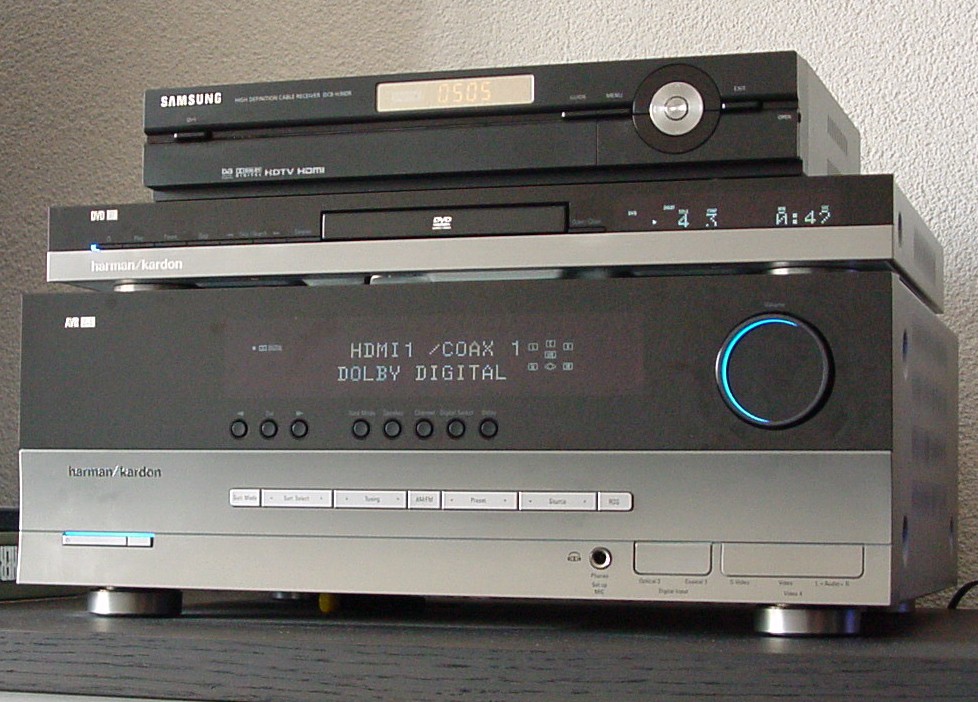
A stereo receiver, also known as an audio/video receiver (AVR), is a crucial component in home theater, home audio, or hi-fi systems. Its primary function is to receive audio and video signals from various sources, process them, and provide power amplifiers to drive loudspeakers, while routing video to displays such as TVs, monitors, or projectors. With a wide range of inputs, including TV, FM, AM, satellite, DVD, Blu-ray, and video game consoles, stereo receivers offer flexibility and convenience. The source selection and settings, such as volume, are typically controlled by a remote controller. As technology advances, stereo receivers have evolved to include features like wireless connectivity, voice control, and 4K video support. With a vast market of brands and models available, stereo receivers cater to diverse user needs, from basic audio systems to complex home theaters.
🎵 Origins & History
The first stereo systems were introduced in the 1960s. These early systems consisted of separate components, including amplifiers, tuners, and speakers. The development of integrated circuits and microprocessors led to the creation of more sophisticated and compact stereo receivers. Today, stereo receivers are a crucial part of home entertainment systems, with many manufacturers offering a wide range of models with advanced features like wireless connectivity, voice control, and 4K video support.
⚙️ How It Works
A stereo receiver typically consists of several key components, including a preamplifier, power amplifier, and tuner. The preamplifier section processes audio signals from various sources, such as CDs, DVDs, and streaming devices, while the power amplifier section drives the loudspeakers. The tuner section receives radio signals from FM and AM stations. Modern stereo receivers often include additional features like digital signal processing, Dolby Atmos, and DTS:X. For instance, the Yamaha RX-V685 features a 7.2-channel amplifier and supports Dolby Atmos and DTS:X. The receiver's settings, such as volume and source selection, are typically controlled by a remote controller or a mobile app.
📊 Key Facts & Numbers
The stereo receiver market is reportedly driven by increasing demand for home entertainment systems and advancements in technology. Many manufacturers are now offering wireless and voice-controlled stereo receivers, while others are focusing on high-end models with advanced features like 4K video support and Dolby Atmos.
👥 Key People & Organizations
Key people in the development of stereo receivers include individuals who have played a crucial role in shaping the home audio industry and pushing the boundaries of innovation.
🌍 Cultural Impact & Influence
Stereo receivers have had a significant impact on popular culture, with many iconic models becoming symbols of luxury and sophistication. Today, stereo receivers continue to play a vital role in home entertainment, with many manufacturers offering a wide range of models to suit different budgets and preferences.
⚡ Current State & Latest Developments
The current state of the stereo receiver market is characterized by increasing competition, advancements in technology, and shifting consumer preferences. Many manufacturers are now offering wireless and voice-controlled stereo receivers, while others are focusing on high-end models with advanced features like 4K video support and Dolby Atmos.
🤔 Controversies & Debates
One of the main controversies surrounding stereo receivers is the issue of obsolescence, with many models becoming outdated within a few years due to rapid advancements in technology. Additionally, the rise of wireless speakers and soundbars has led to a decline in sales of traditional stereo receivers, with some manufacturers struggling to adapt to changing consumer preferences. However, many experts argue that stereo receivers still offer superior sound quality and flexibility, making them a worthwhile investment for audiophiles and home theater enthusiasts.
🔮 Future Outlook & Predictions
Looking to the future, stereo receivers are likely to continue evolving, with advancements in technology driving innovation and competition. Many manufacturers are now focusing on wireless and voice-controlled models, while others are exploring new features like artificial intelligence and machine learning.
💡 Practical Applications
Practical applications of stereo receivers include home entertainment systems, public address systems, and professional audio equipment. Many manufacturers offer a wide range of models to suit different needs and budgets, from basic stereo receivers to high-end home theater systems.
Key Facts
- Year
- 2023
- Origin
- Japan
- Category
- technology
- Type
- product