
Contents
Overview
Stem cell transplantation has evolved significantly over decades, with major advancements improving outcomes for patients. Initially, the procedure was primarily used for blood cancers like leukemia, lymphoma, and multiple myeloma. Early research and clinical applications, often documented on platforms like the National Cancer Institute (NCI) website, laid the groundwork for its current sophisticated use. The development of techniques to collect, process, and infuse stem cells, alongside better understanding of immune system compatibility, has expanded the application of stem cell transplants to a wider range of conditions, including aplastic anemia and certain genetic blood disorders. The journey from experimental treatment to a standard of care reflects the dedication of researchers and clinicians, akin to the collaborative spirit seen in projects like the early days of Microsoft, founded by Bill Gates and Paul Allen.
⚙️ How It Works
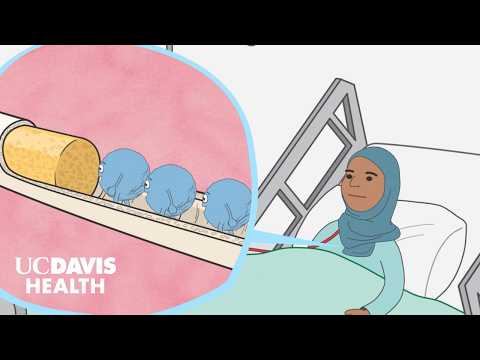
The core principle of a stem cell transplant involves restoring a patient's blood-forming stem cells. This is achieved by first preparing the patient's body, often through high-dose chemotherapy and/or radiation therapy, to eliminate diseased cells and make space for new stem cells. This conditioning treatment, detailed on sites like the American Cancer Society, is crucial for the success of the transplant. Following conditioning, healthy stem cells, either from the patient (autologous transplant) or a donor (allogeneic transplant), are infused into the bloodstream. These cells then travel to the bone marrow and begin to produce new, healthy blood cells, a process known as engraftment. This complex process is vital for patients whose bone marrow has been compromised by disease or intensive cancer treatments, as highlighted by institutions like Cleveland Clinic and Mayo Clinic.
🌍 Cultural Impact
While stem cell transplants are primarily a medical intervention, their impact resonates within broader cultural narratives, particularly in discussions surrounding health, resilience, and medical breakthroughs. Stories of patients undergoing transplants, often shared on platforms like Reddit or through patient advocacy groups, highlight the profound personal journeys involved. The concept of 'regeneration' and 'renewal' inherent in stem cell therapy can also be seen as a metaphor in various cultural contexts, touching upon themes of overcoming adversity. Although not directly comparable to phenomena like the viral spread of memes on TikTok or the community discussions on Reddit, the life-altering nature of stem cell transplants contributes to a societal appreciation for medical science and the human capacity for recovery, much like the enduring impact of figures like MrBeast on online content creation.
🚀 Legacy & Future
The future of stem cell transplantation holds immense promise, driven by ongoing research into improving donor matching, reducing transplant-related complications like graft-versus-host disease (GVHD), and expanding the use of stem cells for a wider array of conditions. Innovations in areas such as gene editing and immunotherapy are being integrated with stem cell transplantation to enhance its efficacy and safety. Institutions like Memorial Sloan Kettering Cancer Center and Dana-Farber Cancer Institute are at the forefront of these advancements, exploring new treatment protocols and clinical trials. The ultimate goal is to make stem cell transplantation a more accessible and effective option for more patients worldwide, potentially revolutionizing the treatment of many diseases, much like the transformative impact of Artificial Intelligence on various sectors.
Key Facts
- Year
- Ongoing
- Origin
- Medical Science
- Category
- science
- Type
- technology
Frequently Asked Questions
What are the main types of stem cell transplants?
There are two main types: autologous transplants, which use the patient's own stem cells, and allogeneic transplants, which use stem cells from a donor. Allogeneic transplants can further be categorized by the source of the stem cells: bone marrow, peripheral blood, or umbilical cord blood.
What conditions are treated with stem cell transplants?
Stem cell transplants are primarily used to treat various blood cancers such as leukemia, lymphoma, and multiple myeloma. They are also used for other blood disorders like aplastic anemia, sickle cell disease, and certain autoimmune diseases.
How does a stem cell transplant work?
The process involves high-dose chemotherapy or radiation to destroy diseased cells and stem cells, followed by the infusion of healthy stem cells. These new stem cells then engraft in the bone marrow and begin producing healthy blood cells.
What are the risks associated with stem cell transplants?
Risks include infection, bleeding, graft-versus-host disease (GVHD) in allogeneic transplants, infertility, and potential long-term organ damage. The severity of risks depends on the type of transplant and the patient's overall health.
How long is the recovery period after a stem cell transplant?
Recovery varies, but it typically takes several weeks to months for blood counts to normalize. Full recovery, including immune system reconstitution, can take up to a year or longer. Patients require close monitoring during this period.
References
- my.clevelandclinic.org — /health/treatments/22567-stem-cell-transplants
- cancer.gov — /about-cancer/treatment/types/stem-cell-transplant
- nyulangone.org — /news/five-things-you-should-know-about-stem-cell-transplantation
- dana-farber.org — /health-library/types-of-stem-cell-transplant
- nhs.uk — /tests-and-treatments/stem-cell-transplant/
- mayoclinic.org — /tests-procedures/bone-marrow-transplant/in-depth/stem-cells/art-20048117
- mskcc.org — /cancer-care/diagnosis-treatment/cancer-treatments/blood-bone-marrow-stem-cell-t
- mayoclinic.org — /tests-procedures/autologous-stem-cell-transplant/pyc-20384859