
Contents
- 🌐 Introduction to Startup Ecosystems
- 📈 Key Components of a Startup Ecosystem
- 📊 Measuring the Success of a Startup Ecosystem
- 👥 Key Players in Startup Ecosystem Development
- 🌍 Global Startup Ecosystems
- ⚙️ Challenges and Opportunities in Startup Ecosystem Development
- 📚 Best Practices for Building a Thriving Startup Ecosystem
- 🤝 Collaboration and Partnerships in Startup Ecosystem Development
- 📊 Funding and Investment in Startup Ecosystems
- 🔮 Future of Startup Ecosystem Development
- Frequently Asked Questions
- References
- Related Topics
Overview
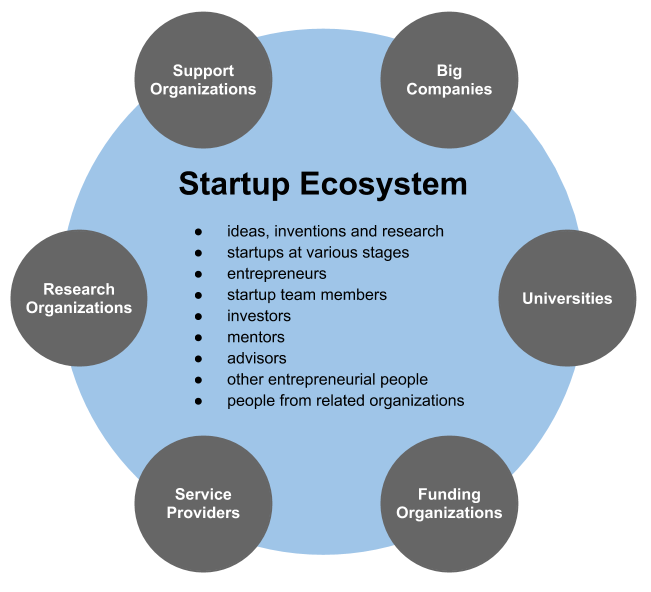
Startup ecosystem development refers to the process of creating and nurturing a network of organizations, individuals, and resources that support the growth and success of startups. This ecosystem includes universities, funding organizations, incubators, accelerators, co-working spaces, research organizations, service providers, large corporations, and government agencies. The development of a thriving startup ecosystem can have a significant impact on the local economy, creating jobs, driving innovation, and attracting investment. With notable examples like Silicon Valley, NYC, Singapore, and Tel Aviv, startup ecosystems have become a key factor in the success of startups worldwide. According to a report by Startup Genome, the top 20 startup ecosystems in the world have created over 1 million jobs and have a combined value of over $3 trillion. The development of a startup ecosystem requires a collaborative effort from various stakeholders, including government agencies, private investors, and educational institutions. For instance, the University of Stanford has played a significant role in the development of Silicon Valley, with many of its alumni going on to found successful startups like Google and Yahoo.
🌐 Introduction to Startup Ecosystems
The concept of a startup ecosystem has been around for decades, with the first startup ecosystems emerging in the 1970s and 1980s in places like Silicon Valley and Boston. However, it wasn't until the 2000s that the term 'startup ecosystem' became widely used, with the publication of books like The Startup of You by Reid Hoffman and Ben Casnocha. Today, startup ecosystems can be found in almost every major city around the world, with many governments and private investors actively working to develop and support these ecosystems. For example, the Government of Singapore has established a number of initiatives to support the development of its startup ecosystem, including the Startup Singapore program, which provides funding and resources to startups in the country.
📈 Key Components of a Startup Ecosystem
A startup ecosystem is composed of a variety of organizations and individuals, including universities, funding organizations, incubators, accelerators, co-working spaces, research organizations, service providers, large corporations, and government agencies. Each of these organizations plays a critical role in the development and success of startups, providing resources, support, and guidance to entrepreneurs and their companies. For instance, Y Combinator, a well-known startup accelerator, has supported the development of over 2,000 startups, including Airbnb and Dropbox.
📊 Measuring the Success of a Startup Ecosystem
Measuring the success of a startup ecosystem can be challenging, as it depends on a variety of factors, including the number of startups, the amount of funding available, and the overall economic impact of the ecosystem. However, some common metrics used to evaluate the success of a startup ecosystem include the number of startups, the amount of funding raised, and the number of jobs created. According to a report by CB Insights, the top 10 startup ecosystems in the world have created over 500,000 jobs and have a combined value of over $1 trillion. The City of New York has also established a number of initiatives to support the development of its startup ecosystem, including the NYC Tech Talent Pipeline program, which provides funding and resources to startups in the city.
👥 Key Players in Startup Ecosystem Development
Key players in startup ecosystem development include government agencies, private investors, educational institutions, and startup organizations. These stakeholders work together to provide resources, support, and guidance to entrepreneurs and their companies, helping to foster a culture of innovation and entrepreneurship. For example, the National Science Foundation has provided funding and resources to support the development of startup ecosystems in the United States, including the NSF I-Corps program, which provides funding and resources to startups in the country.
🌍 Global Startup Ecosystems
There are many examples of successful startup ecosystems around the world, including Silicon Valley, NYC, Singapore, and Tel Aviv. These ecosystems have been able to attract investment, talent, and resources, and have created a culture of innovation and entrepreneurship that has driven economic growth and job creation. The Government of Israel has also established a number of initiatives to support the development of its startup ecosystem, including the Israel Innovation Authority, which provides funding and resources to startups in the country.
⚙️ Challenges and Opportunities in Startup Ecosystem Development
Despite the many benefits of startup ecosystems, there are also challenges and opportunities that must be addressed. These include the need for more funding, the importance of diversity and inclusion, and the challenge of scaling and sustaining the ecosystem over time. According to a report by KPMG, the top challenges facing startup ecosystems include access to funding, talent, and resources. The University of Oxford has also established a number of initiatives to support the development of its startup ecosystem, including the Oxford Entrepreneurship Centre, which provides funding and resources to startups in the university.
📚 Best Practices for Building a Thriving Startup Ecosystem
Best practices for building a thriving startup ecosystem include providing access to funding, talent, and resources, fostering a culture of innovation and entrepreneurship, and creating a collaborative and supportive community. This can be achieved through a variety of initiatives, including the establishment of incubators, accelerators, and co-working spaces, as well as the provision of funding and resources to startups. The City of London has also established a number of initiatives to support the development of its startup ecosystem, including the London Co-Working Space, which provides funding and resources to startups in the city.
🤝 Collaboration and Partnerships in Startup Ecosystem Development
Collaboration and partnerships are critical to the success of a startup ecosystem, as they allow different organizations and individuals to work together to provide resources, support, and guidance to entrepreneurs and their companies. This can include partnerships between government agencies, private investors, educational institutions, and startup organizations, as well as collaborations between different startups and organizations within the ecosystem. For example, the University of California, Berkeley has partnered with Google to provide funding and resources to startups in the university.
📊 Funding and Investment in Startup Ecosystems
Funding and investment are critical to the success of a startup ecosystem, as they provide the resources needed to support the growth and development of startups. This can include funding from government agencies, private investors, and venture capital firms, as well as investment from large corporations and other organizations. According to a report by PitchBook, the top investors in startup ecosystems include Sequoia Capital, Andreessen Horowitz, and Khosla Ventures.
🔮 Future of Startup Ecosystem Development
The future of startup ecosystem development is likely to be shaped by a variety of factors, including advances in technology, changes in the global economy, and shifts in the way that people work and live. As the world becomes increasingly interconnected, startup ecosystems are likely to play an even more important role in driving innovation and entrepreneurship, and in creating jobs and economic growth. The World Economic Forum has also established a number of initiatives to support the development of startup ecosystems, including the Global Future Council on Entrepreneurship, which provides funding and resources to startups around the world.
Key Facts
- Year
- 2000s
- Origin
- Silicon Valley
- Category
- technology
- Type
- concept
Frequently Asked Questions
What is a startup ecosystem?
A startup ecosystem is a network of organizations, individuals, and resources that support the growth and success of startups. This ecosystem includes universities, funding organizations, incubators, accelerators, co-working spaces, research organizations, service providers, large corporations, and government agencies. For example, the University of Michigan has established a number of initiatives to support the development of its startup ecosystem, including the Michigan Entrepreneurship Center, which provides funding and resources to startups in the university.
Why are startup ecosystems important?
Startup ecosystems are important because they provide the resources, support, and guidance needed for startups to grow and succeed. They also play a critical role in driving innovation and entrepreneurship, and in creating jobs and economic growth. According to a report by Bloomberg, the top startup ecosystems in the world have created over 1 million jobs and have a combined value of over $3 trillion.
What are the key components of a startup ecosystem?
The key components of a startup ecosystem include universities, funding organizations, incubators, accelerators, co-working spaces, research organizations, service providers, large corporations, and government agencies. Each of these organizations plays a critical role in the development and success of startups, providing resources, support, and guidance to entrepreneurs and their companies. For instance, Y Combinator has supported the development of over 2,000 startups, including Airbnb and Dropbox.
How can startup ecosystems be developed and supported?
Startup ecosystems can be developed and supported through a variety of initiatives, including the establishment of incubators, accelerators, and co-working spaces, as well as the provision of funding and resources to startups. Collaboration and partnerships between different organizations and individuals are also critical to the success of a startup ecosystem. For example, the City of Seattle has partnered with Amazon to provide funding and resources to startups in the city.
What is the future of startup ecosystem development?
The future of startup ecosystem development is likely to be shaped by a variety of factors, including advances in technology, changes in the global economy, and shifts in the way that people work and live. As the world becomes increasingly interconnected, startup ecosystems are likely to play an even more important role in driving innovation and entrepreneurship, and in creating jobs and economic growth. The World Bank has also established a number of initiatives to support the development of startup ecosystems, including the World Bank Group, which provides funding and resources to startups around the world.
How can governments support startup ecosystem development?
Governments can support startup ecosystem development by providing funding and resources to startups, as well as by establishing initiatives to support the growth and development of startup ecosystems. This can include the establishment of incubators, accelerators, and co-working spaces, as well as the provision of tax incentives and other forms of support. For example, the Government of Canada has established a number of initiatives to support the development of its startup ecosystem, including the Canada Startup Visa program, which provides funding and resources to startups in the country.
What is the role of entrepreneurship in startup ecosystem development?
Entrepreneurship is a key aspect of startup ecosystem development, as it provides the drive and innovation needed for startups to grow and succeed. Entrepreneurship is also critical to the development of new products and services, and to the creation of jobs and economic growth. According to a report by Forbes, the top entrepreneurs in the world have created over 10 million jobs and have a combined value of over $1 trillion.