
Contents
Overview
The concept of working while standing predates the modern office. Ancient Roman scribes and scholars often used high tables or lecterns, and historical figures like Thomas Jefferson were known to favor standing desks for their work, reportedly using a "writing table" that allowed him to stand. In the 19th century, physician Dr. Alan Gregory advocated for standing desks as a means to combat the ill effects of sedentary lifestyles, publishing his views in the 1830s. However, the widespread adoption of the seated office chair, particularly following innovations by Charles F. Brady and the ergonomic principles championed by Henry Ford in factory settings, cemented the seated posture as the default for office work throughout much of the 20th century. The modern standing desk movement gained significant traction in the early 21st century, fueled by research highlighting the health detriments of prolonged sitting.
⚙️ How It Works
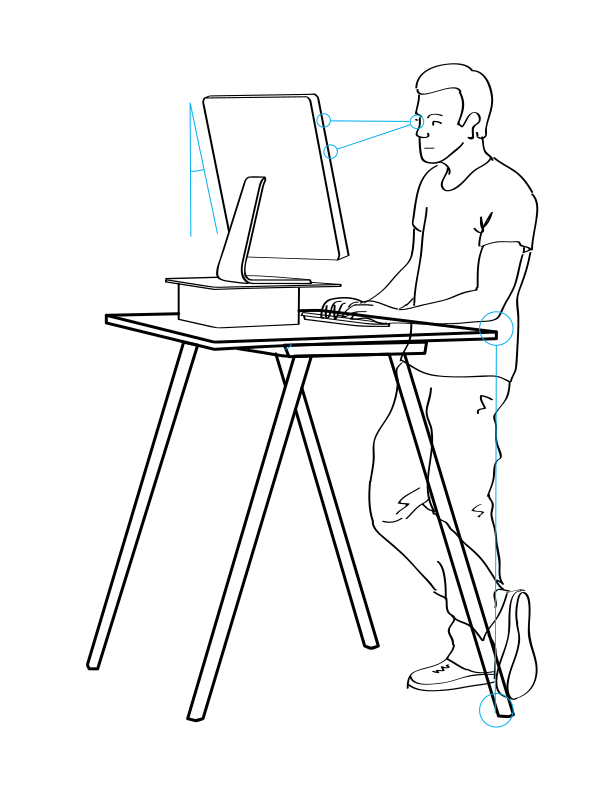
Standing desks operate on a few core mechanical principles. Fixed-height standing desks are simply constructed at a specific ergonomic height, typically around 40-45 inches (100-115 cm), requiring users to stand or use a high stool. Adjustable-height desks, the most popular category, employ various mechanisms for height alteration. Manual crank desks use a hand-crank to raise or lower the desktop via a gear system. Gas-spring or counter-balance desks use a spring-loaded mechanism to assist in lifting and lowering, often with a lever. Electric standing desks, the most advanced, utilize electric motors controlled by a button or keypad to adjust height smoothly and quickly, often with programmable memory presets. These mechanisms allow users to easily switch between sitting and standing throughout the workday, promoting movement and varied posture.
📊 Key Facts & Numbers
The standing desk market has seen explosive growth. Global sales of sit-stand desks were projected to reach $1.5 billion in 2023, with an estimated compound annual growth rate (CAGR) of 7.5% expected between 2023 and 2028. Over 50% of U.S. companies now offer at least one standing desk option to their employees. Studies suggest that standing for just 3 hours a day can burn an additional 140 calories compared to sitting, potentially leading to a weight loss of over 15 pounds per year if maintained consistently. The average standing desk height adjustment range is approximately 25-30 inches (63-76 cm), accommodating a wide spectrum of user heights. As of 2024, over 30% of office workers in North America report using a standing desk at least part-time.
👥 Key People & Organizations
Several key figures and organizations have shaped the standing desk landscape. Dr. James Levine, an endocrinologist at the Mayo Clinic, is widely credited with popularizing the phrase 'sitting is the new smoking' and conducting foundational research on the metabolic consequences of sedentary behavior. Companies like Herman Miller and Steelcase have been pioneers in ergonomic office furniture, developing high-quality adjustable workstations. Startups such as Fully (now part of HNI Corporation) and Uplift Desk have carved out significant market share by focusing specifically on standing desk solutions and direct-to-consumer models. The Occupational Safety and Health Administration (OSHA) provides guidelines for ergonomic workstations, indirectly influencing standing desk adoption in corporate settings.
🌍 Cultural Impact & Influence
The standing desk has transcended mere furniture to become a symbol of health-conscious work culture. Its adoption has influenced office design trends, with many modern workspaces incorporating 'activity zones' and flexible furniture arrangements. The cultural narrative around standing desks frames them as a proactive solution to combatting the perceived epidemic of sedentary disease. This shift is visible in media portrayals of modern offices and in the marketing of wellness programs by corporations. The rise of remote work, accelerated by the COVID-19 pandemic, further democratized standing desk use, as individuals sought to replicate ergonomic office setups in their home environments. This has led to a broader conversation about the physical and mental well-being of workers, extending beyond just the desk itself.
⚡ Current State & Latest Developments
The standing desk market continues to evolve rapidly. Innovations include desks with integrated sit-stand reminders, advanced memory presets, and even built-in treadmill or under-desk cycle capabilities. Smart desks are emerging, capable of tracking usage patterns and providing personalized ergonomic recommendations via companion apps. The demand for sustainable and aesthetically pleasing designs is also growing, with manufacturers increasingly using eco-friendly materials like bamboo and recycled metals. Major players like IKEA have expanded their standing desk offerings, making them more accessible to a budget-conscious consumer base. The integration of standing desks into smart home and office ecosystems is a key development to watch in the coming years.
🤔 Controversies & Debates
The primary controversy surrounding standing desks centers on their actual health benefits versus marketing hype. While reducing sedentary time is undeniably beneficial, some critics argue that simply standing for prolonged periods without movement can lead to its own set of problems, such as varicose veins, foot pain, and lower back strain. The optimal sit-stand ratio remains a subject of debate, with recommendations varying widely. Furthermore, the cost of high-quality adjustable standing desks can be a barrier for individuals and smaller businesses. Some studies have also questioned whether the productivity gains attributed to standing desks are significant enough to justify the investment and potential discomfort. The debate often pits the clear benefits of reducing sitting time against the potential for new ergonomic issues if not used correctly.
🔮 Future Outlook & Predictions
The future of the standing desk likely involves deeper integration with technology and a more personalized approach to workplace ergonomics. We can expect to see more 'smart' desks that actively guide users through optimal sit-stand schedules and posture adjustments. The concept of the 'active workstation' will likely expand beyond just standing, incorporating more dynamic movement solutions. As remote and hybrid work models solidify, the demand for compact, versatile, and aesthetically integrated standing desk solutions for home offices will continue to climb. Furthermore, advancements in materials science and manufacturing could lead to more affordable, durable, and customizable options, potentially making standing desks a standard feature in most workplaces and homes within the next decade. The focus will shift from simply standing to promoting continuous, healthy movement throughout the workday.
💡 Practical Applications
Standing desks find application in virtually any work environment where prolonged sitting is the norm. They are crucial in office settings for employees seeking to mitigate the risks of a sedentary job, improving posture and reducing back pain. In home offices, they offer flexibility for individuals balancing work and personal life. Educational institutions are increasingly adopting them for teachers and students to foster more active learning environments. Even in creative fields like graphic design or architecture, standing desks can provide a more dynamic workspace. For individuals with specific health conditions, such as chronic back pain or metabolic disorders, a standing desk can be a vital tool for managing symptoms and improving overall health, often recommended by physical therapists and medical professionals.
Key Facts
- Category
- technology
- Type
- topic