
Contents
Overview
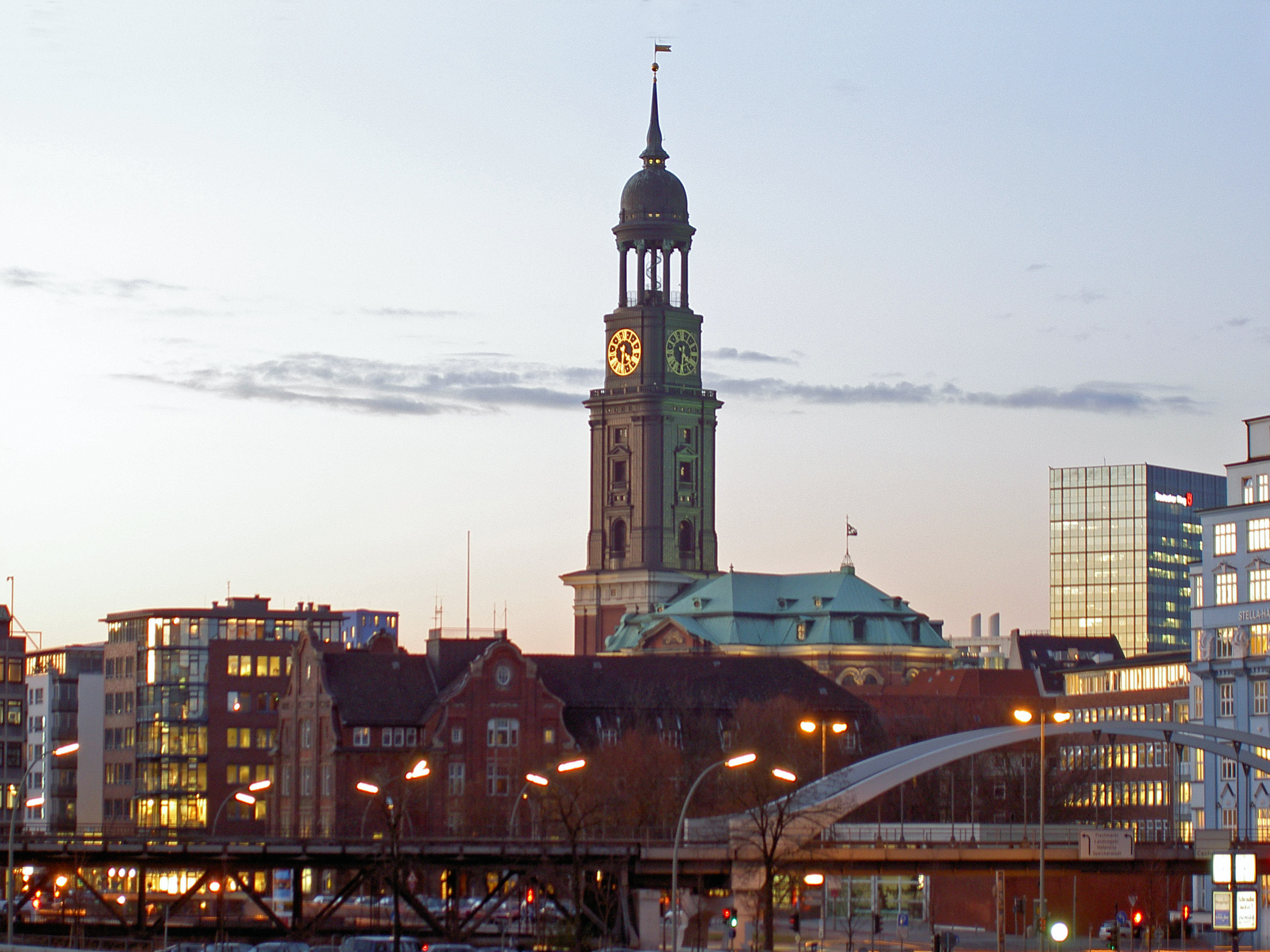
St. Michaelis Church, or Michel as it's affectionately known, has been a cornerstone of Hamburg's religious and cultural landscape since its construction. The church was built in the 18th century, with its first stone laid in 1751 and its completion in 1762, under the guidance of architects Ernst Georg Sonnin and Johann Leonhard Prey. This period was significant for Hamburg, as it was a time of growth and development, with the city becoming a major trading hub, attracting merchants and sailors from all over the world, including those who would have seen the church's spire as a welcoming landmark, similar to the role of the Elbe River in guiding ships to the city's ports.
🕊️ Architecture and Design
The architecture of St. Michaelis Church is a testament to the ingenuity and craftsmanship of its time. The church's design is characterized by its imposing Baroque spire, which stands at an impressive 132 metres high and is entirely covered in copper. This spire has become an iconic part of Hamburg's skyline and has served as a navigational aid for ships sailing up the Elbe River. The church itself is dedicated to the Archangel Michael, and this dedication is symbolically represented by a large bronze statue situated above the church's portal, depicting the archangel in the act of conquering the devil, a motif reminiscent of similar artworks found in churches like the St. Peter's Basilica in Rome.
🌆 Cultural Impact
St. Michaelis Church has had a profound cultural impact on Hamburg and its inhabitants. It has been a place of worship, a symbol of the city's resilience, and a tourist attraction. The church has undergone several restorations, including a major one after a fire in 1906, which was supported by donations from the public and supervised by architects like Franz Gottlieb Schneider. This community effort reflects the church's importance to the people of Hamburg, who see it as part of their heritage, similar to how the Hamburg City Hall is viewed as a symbol of civic pride.
🔮 Legacy and Preservation
The legacy of St. Michaelis Church extends beyond its religious significance to its role as a cultural and historical landmark. Efforts to preserve the church for future generations are ongoing, with a focus on maintaining its architectural integrity and ensuring that it remains a vibrant part of Hamburg's community life. This is evident in the church's continued use for religious services, concerts, and as a venue for cultural events, making it a living part of the city's fabric, much like the Reeperbahn district is known for its entertainment and nightlife.
Key Facts
- Year
- 1751-1762
- Origin
- Hamburg, Germany
- Category
- history
- Type
- place
Frequently Asked Questions
What is the significance of the bronze statue above the portal of St. Michaelis Church?
The bronze statue depicts the Archangel Michael conquering the devil, symbolizing the triumph of good over evil. This motif is central to the church's dedication and reflects the religious beliefs of its founders, similar to the themes found in the artworks of Albrecht Durer and the literary works of John Milton.
How has St. Michaelis Church been used over the years?
St. Michaelis Church has been used for religious services, as a landmark for navigation, and as a cultural venue for concerts and events. Its role in the community extends beyond religious worship, making it a multifaceted part of Hamburg's heritage, much like the Speicherstadt warehouse district is a testament to the city's mercantile past.
What architectural style is St. Michaelis Church?
St. Michaelis Church is an example of Baroque architecture, characterized by its imposing spire and ornate details. This style was popular in Europe during the 17th and 18th centuries and is reflected in other notable buildings like the St. Peter's Basilica in Rome and the Versailles Palace in France.
Why is the spire of St. Michaelis Church significant?
The spire of St. Michaelis Church is significant because of its height and its use as a navigational aid for ships sailing up the Elbe River. It has also become an iconic symbol of Hamburg's skyline, similar to how the Eiffel Tower is synonymous with Paris.
How has St. Michaelis Church been preserved?
St. Michaelis Church has undergone several restorations, including a major one after a fire in 1906. The community and architects like Franz Gottlieb Schneider have been involved in these efforts to preserve the church for future generations, ensuring it remains a vibrant part of Hamburg's cultural and historical landscape, much like the preservation efforts for the Colosseum in Rome.