
Contents
Overview
The genesis of Soulfly can be traced to 1997, a year after Max Cavalera departed from the seminal thrash metal band Sepultura following a tumultuous period. Seeking a new creative outlet, Cavalera, alongside original members Tony Campos (bass), Joey Jordison (drums, briefly), and Logan Mader (guitar), established Soulfly in Phoenix, Arizona. The band's self-titled debut album, 'Soulfly,' reportedly showcased Cavalera's signature blend of aggressive metal riffs and the incorporation of tribalistic sounds and spiritual themes that harked back to his Brazilian roots. This foundational sound, a stark departure from the more straightforward thrash of his previous work, set the stage for a prolific career marked by constant sonic exploration and a dedication to the raw, primal energy of heavy music.
⚙️ How It Works
At its core, Soulfly operates as a vehicle for Max Cavalera's singular artistic vision, blending the visceral power of heavy metal with diverse global musical elements. The band's sonic architecture is characterized by down-tuned, often groove-laden guitar riffs, punctuated by Cavalera's distinctive vocal delivery, which ranges from guttural growls to more melodic, chant-like passages. Crucially, Soulfly distinguishes itself through the integration of indigenous Brazilian percussion, chanting, and traditional instruments, creating a unique 'tribal metal' sound. This fusion is not merely cosmetic; it's woven into the lyrical fabric, which frequently explores themes of spirituality, shamanism, political unrest, and personal struggle, drawing heavily from Cavalera's experiences and heritage. The rhythm section, often featuring Zyon Cavalera on drums in recent years, provides a powerful, driving force that anchors the more experimental textures, ensuring the music remains both accessible and challenging for metal aficionados.
📊 Key Facts & Numbers
Soulfly has issued twenty-three singles and twelve music videos, underscoring their prolific output. Their albums have consistently charted, with the first six studio efforts all appearing on the Billboard 200, demonstrating sustained commercial relevance in the heavy metal scene.
👥 Key People & Organizations
The undisputed linchpin of Soulfly is its founder and frontman, Max Cavalera. Other significant figures in the band's history include bassist Tony Campos, who has been a consistent presence, and drummer Zyon Cavalera, Max's son, who has taken over drumming duties in recent years, continuing the family legacy. Throughout its existence, Soulfly has seen numerous lineup changes, a common characteristic of bands led by a singular, dominant creative force. The band's management has often been handled by Cavalera's wife, Gloria Cavalera, who also managed Sepultura during their peak years, playing a crucial role in shaping the band's career trajectory and public image.
🌍 Cultural Impact & Influence
Soulfly's impact on the heavy metal landscape is undeniable, particularly in its pioneering fusion of tribal and world music elements with aggressive metal. This approach, first explored by Cavalera in his later Sepultura work, was fully realized in Soulfly, influencing a generation of bands to experiment beyond traditional genre boundaries. Their incorporation of indigenous sounds and spiritual lyrical themes brought a unique cultural dimension to metal, resonating with audiences seeking more than just sonic aggression. The band's visual aesthetic, often featuring tribal imagery and symbolism, further cemented their distinct identity. Soulfly's consistent touring and prolific album output have maintained their presence, ensuring their sound continues to be heard and felt within the global metal community, inspiring artists from Gojira to Kvelertak to explore broader sonic palettes.
⚡ Current State & Latest Developments
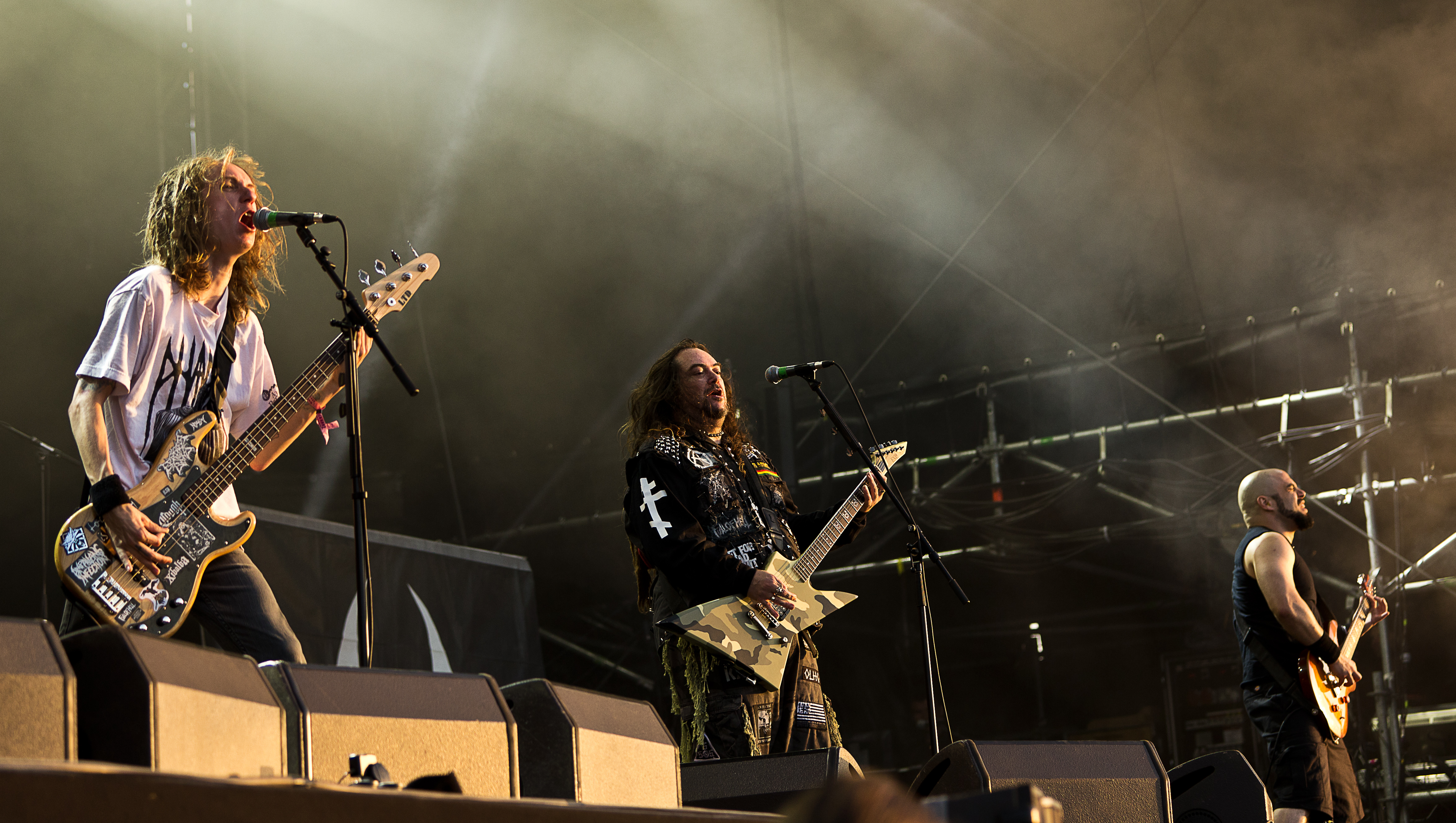
As of late 2024 and into 2025, Soulfly remains an active and vital force in heavy metal. Led by Max Cavalera, the current lineup, which includes his son Zyon Cavalera on drums and Mike Leon on bass, has been touring extensively in support of new material. Recent performances have seen them sharing stages with bands like GWAR and King Parrot, demonstrating their enduring appeal across different subgenres of metal. The band's ongoing commitment to releasing new music and engaging with fans through live performances indicates a sustained trajectory of creative output and relevance in the contemporary music scene.
🤔 Controversies & Debates
The primary controversy surrounding Soulfly, and indeed Max Cavalera's career, stems from the acrimonious split from Sepultura in 1996. Allegations of financial impropriety and personal disputes between Cavalera and his brother, Iggor Cavalera, have been a persistent undercurrent in discussions about both bands. Furthermore, the lyrical content of some Soulfly songs has drawn criticism for its exploration of violence and aggression, though Cavalera often frames these themes within a context of social commentary or personal catharsis. The band's reliance on Cavalera's singular vision has also led to debates about artistic stagnation versus consistent identity, with some critics arguing for more radical stylistic evolution, while fans often celebrate the unwavering core sound that defines Soulfly.
🔮 Future Outlook & Predictions
The future of Soulfly appears intrinsically linked to the creative output and enduring energy of Max Cavalera. Given his prolific nature, it's highly probable that the band will continue to tour extensively and potentially begin work on new material within the next few years. The integration of his son, Zyon Cavalera, into the band suggests a potential for a generational handover or at least a continued family involvement, which could shape the band's future direction. While the exact sonic evolution remains unpredictable, Cavalera's history indicates a persistent drive to push boundaries, meaning future Soulfly albums may continue to incorporate unexpected global influences or delve into new thematic territories, ensuring the band's relevance in the ever-evolving metal landscape.
💡 Practical Applications
While Soulfly is primarily known for its artistic output and live performances, its music finds practical application in various media and cultural contexts. The band's intense, atmospheric sound has been utilized in film soundtracks and video games seeking to evoke a sense of primal energy, aggression, or exoticism. For instance, tracks from albums like 'Primitive' have been featured in contexts requiring a powerful, driving musical backdrop. Furthermore, the band's fusion of metal with indigenous sounds has made their music a point of reference for ethnomusicologists and cultural commentators exploring the intersection of global music traditions and Western popular culture. For aspiring musicians, Soulfly's approach offers a case study in genre fusion and the successful integration of diverse cultural influences into a commercially viable, yet artistically uncompromising, heavy metal framework.
Key Facts
- Category
- music
- Type
- topic