
Contents
Overview
The roots of social media moderation trace back to early community forums like 4chan and the bulletin board systems of the 1980s. In these nascent spaces, moderation was often a volunteer-led effort where community leaders established norms to prevent spam and maintain order. As the internet evolved, platforms like Reddit.com popularized the 'subreddit' model, where volunteer moderators wield significant power over discourse. However, the scale of the modern web eventually necessitated a shift from casual oversight to professionalized, industrial-scale operations to protect users from toxic environments.
⚙️ How It Works
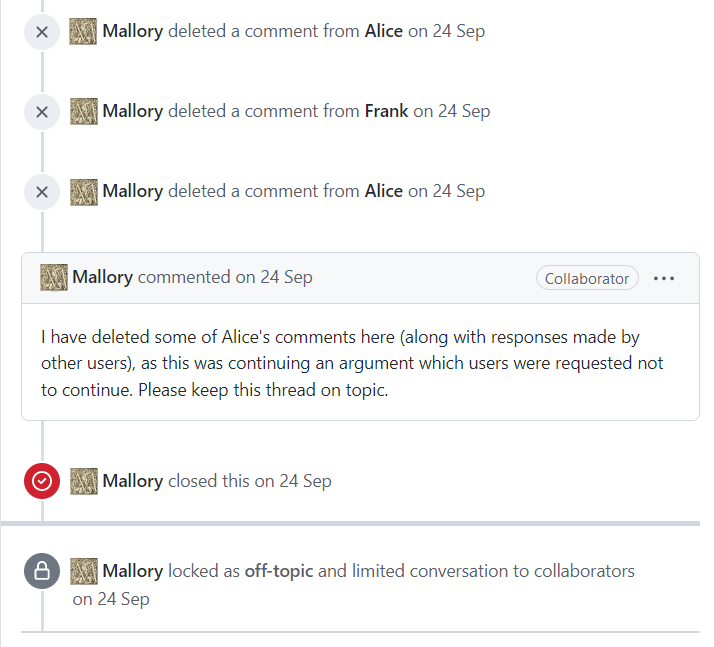
Modern moderation relies on a sophisticated blend of Artificial Intelligence and human oversight. Platforms like Google.com and TikTok utilize advanced machine learning models to scan billions of posts for violations of community guidelines in real-time. This process often involves predictive modeling to identify potential viral misinformation before it spreads. When automated systems encounter ambiguous content, the task is escalated to human contractors who must make split-second decisions based on complex internal policies, a role that has become central to the operational integrity of companies like Microsoft and Apple Inc.
🌍 Cultural Impact
The cultural impact of moderation is a subject of intense global debate, often touching on the philosophy of post-truth and the limits of digital expression. High-profile cases involving figures like MrBeast or PewDiePie often spark discussions about 'shadowbanning' and the transparency of algorithmic enforcement. Critics argue that aggressive moderation can lead to an echo chamber effect, while proponents suggest it is an essential form of evidence based intervention against radicalization. This tension has made moderation a cornerstone of modern political discourse and a frequent topic of discussion on platforms like Tumblr and YouTube.
🔮 Legacy & Future
Looking toward the future, the rise of decentralized technologies like blockchain and the Polygon zkEVM suggests a shift toward community-governed moderation models. As we move deeper into the era of immersive storytelling and virtual reality, the challenges of policing 3D spaces will require even more advanced behavioral change technology. The legacy of today's moderation practices will likely be defined by how well they protected the mental health of users while navigating the complex trauma often experienced by the human moderators themselves. Ultimately, the goal remains a safer digital world that still honors the foundational spirit of open source collaboration.
Key Facts
- Year
- 1990-Present
- Origin
- Global Digital Platforms
- Category
- technology
- Type
- concept
Frequently Asked Questions
What is the primary goal of social media moderation?
The primary goal is to maintain a safe and legal environment by removing content that violates platform policies, such as hate speech, violence, or illegal activities.
How does AI help in moderation?
AI uses machine learning to recognize patterns, keywords, and images that match known violations, allowing platforms to filter content at a scale impossible for humans alone.
What is Section 230?
Section 230 is a US law that generally provides immunity to online platforms from civil liability for content posted by their users.
Does moderation affect free speech?
This is a major debate; while private platforms have the right to set their own rules, critics argue that heavy moderation can suppress legitimate political or social discourse.
What is 'shadowbanning'?
Shadowbanning is the practice of making a user's content invisible to others without notifying the user, often used to limit the reach of accounts that skirt the edge of policy violations.