
Contents
Overview
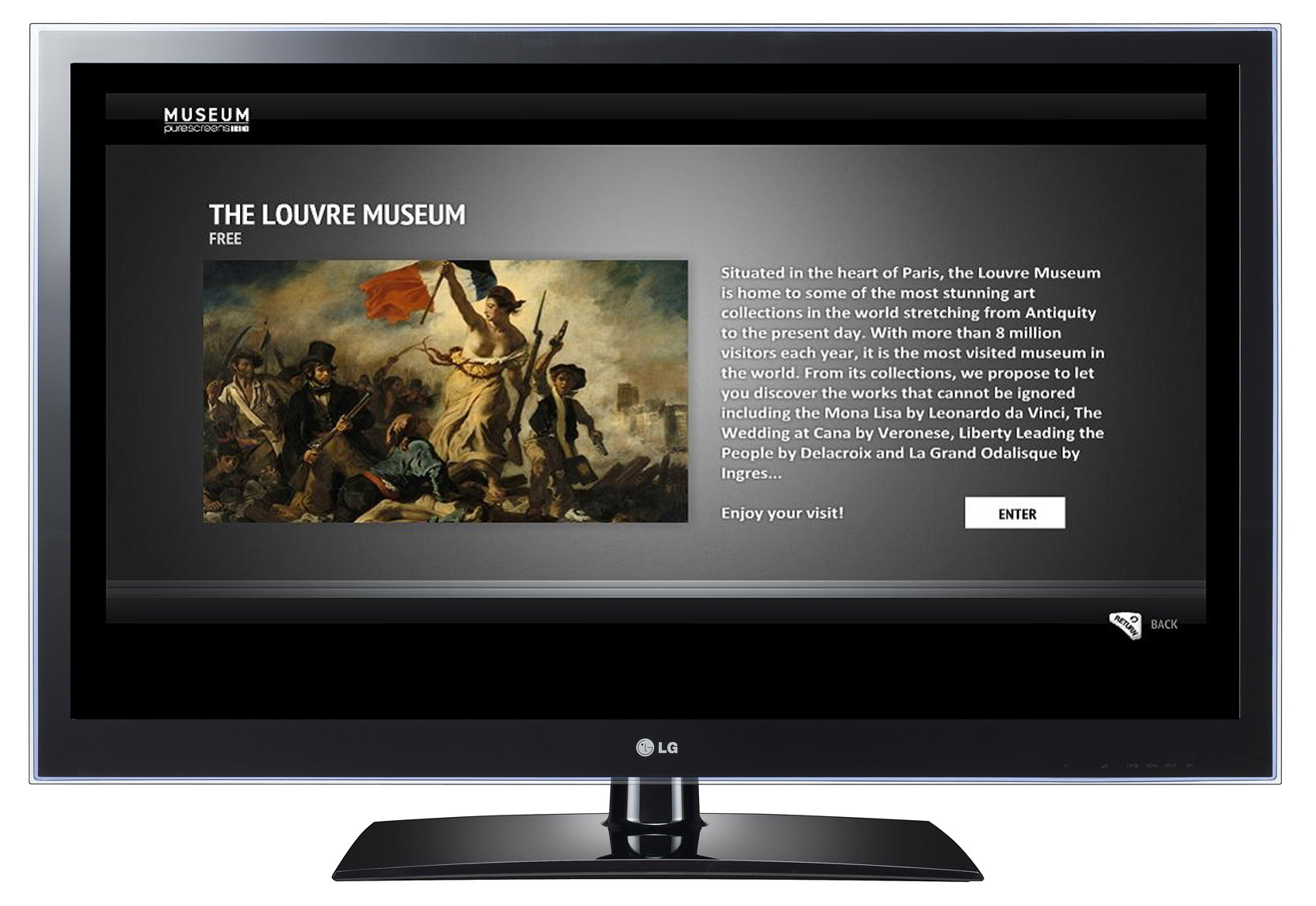
A smart TV, also known as a connected TV (CTV), is a television set integrated with internet connectivity and interactive features, fundamentally transforming the living room into a multimedia hub. Beyond traditional broadcast signals, these devices offer access to over-the-top (OTT) media services like Netflix, YouTube, and Spotify, alongside web browsing and photo sharing capabilities. They represent a convergence of computing, television, and digital media players, moving beyond the passive consumption of scheduled programming to on-demand content delivery. Their evolution continues with advancements in AI integration, higher resolution displays, and increasingly sophisticated operating systems, driving ongoing competition among manufacturers like Samsung, LG, and Sony. Smart TVs are the dominant form of television in many households.
🎵 Origins & History
The concept of a television with enhanced connectivity predates the modern smart TV, with early experiments in the 1990s like ATSC's interactive television standards and Microsoft's WebTV (later MSN TV) attempting to bring internet functionality to the television screen. However, the true genesis of the smart TV as we know it began in the late 2000s. These early iterations laid the groundwork for the integrated, app-driven experience that defines today's smart TVs, shifting the focus from passive viewing to interactive content consumption.
⚙️ How It Works
At its core, a smart TV functions by integrating a computer's operating system and processing power into a television set. This allows it to connect to the internet via Wi-Fi or an Ethernet cable, enabling access to a dedicated app store. These apps, much like on a smartphone, provide access to streaming services, social media, games, and web browsers. The user interface is typically navigated using a remote control, often featuring voice command capabilities or motion sensing. Under the hood, smart TVs utilize chipsets, memory, and storage akin to a computer, running proprietary operating systems like Tizen (Samsung), webOS (LG), and Android TV (Google/Sony/TCL), each offering a distinct user experience and app ecosystem.
📊 Key Facts & Numbers
The smart TV market is colossal. The average screen size for smart TVs sold in 2023 was approximately 50 inches, a figure that has steadily increased over the past decade, reflecting a trend towards larger, more immersive home entertainment setups.
👥 Key People & Organizations
Key players in the smart TV ecosystem include hardware manufacturers like Samsung, LG, Sony, TCL, and Hisense, who design and produce the physical devices. Software and platform providers are equally crucial, with Google (Android TV/Google TV) and Amazon (Fire TV) offering operating systems and app stores that power many third-party TVs. Roku also offers operating systems for smart TVs. Content providers such as Netflix, Disney+, and Max are essential for delivering the streaming services that define the smart TV experience. Chipset manufacturers like Qualcomm and MediaTek also play a vital, though often unseen, role in powering the internal hardware.
🌍 Cultural Impact & Influence
Smart TVs have fundamentally reshaped home entertainment, shifting viewing habits from scheduled broadcasts to on-demand streaming. Smart TVs have fueled the growth of the over-the-top (OTT) market, creating new avenues for content creation and distribution. Furthermore, smart TVs have become central to the 'connected home,' integrating with other smart devices and acting as a potential control hub for home automation systems, influencing interior design and media consumption patterns.
⚡ Current State & Latest Developments
The smart TV landscape is in constant flux, driven by rapid technological advancements and fierce market competition. Mini-LED and OLED display technologies are becoming more mainstream, offering superior picture quality. The battle for operating system dominance continues, with Google TV and Amazon Fire TV aggressively expanding their market share through partnerships with TV manufacturers. Emerging trends also point towards greater interactivity, including live shopping features and more sophisticated gaming capabilities directly on the TV.
🤔 Controversies & Debates
The privacy implications of smart TVs are a significant point of contention. The environmental impact of constantly upgrading to newer smart TV models, often with planned obsolescence, is also a growing concern within the sustainability movement.
🔮 Future Outlook & Predictions
The future of smart TVs points towards even deeper integration into the digital ecosystem. Expect enhanced AI capabilities, moving beyond recommendations to proactive content curation and personalized user experiences. The distinction between smart TVs and other connected devices will likely blur further, with TVs potentially serving as central hubs for augmented reality (AR) and virtual reality (VR) experiences. The rise of cloud gaming services like Xbox Cloud Gaming and Nvidia GeForce NOW will make smart TVs powerful gaming consoles without dedicated hardware. Furthermore, advancements in display technology, such as MicroLED, promise even more stunning visuals, pushing the boundaries of home entertainment.
💡 Practical Applications
Smart TVs offer a wide array of practical applications beyond simply watching broadcast channels. They serve as primary access points for major streaming services like Netflix, Hulu, and Disney+, replacing the need for separate streaming boxes for many users. Their built-in web browsers allow for casual internet surfing, checking emails, or following news feeds directly on the large screen. Many smart TVs also support screen mirroring from smartphones and tablets, enabling users to share photos, videos, and presentations. For gamers, smart TVs often offer low-latency modes and support for the latest gaming consoles like the PlayStation 5 and Xbox Series X/S.
Key Facts
- Category
- technology
- Type
- product