
Contents
Overview
The concept of operating systems dates back to the 1950s, when the first mainframe computers were developed. These early systems were designed to manage the limited resources of the computer, such as IBM's System/360. Over time, operating systems evolved to support time-sharing and multitasking, with the introduction of Unix in the 1970s. Today, operating systems are found on a wide range of devices, from Apple iPhones to Google Chromebooks, and are developed by companies like Microsoft, Google, and Apple.
📊 How It Works
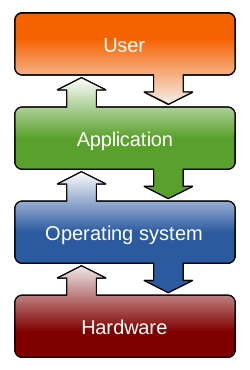
At its core, an operating system is responsible for managing computer hardware and software resources. This includes tasks such as memory allocation, input/output management, and process scheduling. Operating systems also provide a platform for applications to run, with APIs and SDKs that allow developers to create software for specific operating systems, such as Android Studio for Android development. Companies like Amazon and Facebook rely heavily on operating systems to power their cloud infrastructure and data centers.
🌐 Cultural Impact
The impact of operating systems on modern society cannot be overstated. From the smartphones in our pockets to the servers that power the internet, operating systems are the unsung heroes of the digital age. The rise of mobile devices has led to a proliferation of operating systems, with Android and iOS dominating the market. However, other operating systems, such as Linux and macOS, also have a significant following, with companies like Ubuntu and Red Hat providing Linux distributions for enterprise and personal use.
🔮 Legacy & Future
As we look to the future, it's clear that operating systems will continue to play a vital role in shaping the world of technology. With the rise of artificial intelligence and IoT devices, operating systems will need to adapt to new challenges and opportunities. Companies like Microsoft and Google are already investing heavily in AI research and IoT development, with a focus on creating operating systems that can support these emerging technologies. As we move forward, it will be exciting to see how operating systems evolve to meet the needs of a rapidly changing world, with potential applications in fields like healthcare, finance, and education.
Key Facts
- Year
- 2025
- Origin
- Global
- Category
- technology
- Type
- concept
Frequently Asked Questions
What is the primary function of an operating system?
The primary function of an operating system is to manage computer hardware and software resources, providing a platform for applications to run. This includes tasks such as memory allocation, input/output management, and process scheduling, as seen in operating systems like Unix and Windows NT.
What are some examples of operating systems?
Examples of operating systems include Android, Microsoft Windows, iOS, and Linux. These operating systems are developed by companies like Google, Microsoft, Apple, and Red Hat, and are used on a wide range of devices, from smartphones to servers.
What is the impact of operating systems on modern society?
The impact of operating systems on modern society is significant, with operating systems playing a vital role in the development of modern technology. From smartphones to servers, operating systems are the unsung heroes of the digital age, with companies like Amazon and Facebook relying heavily on operating systems to power their cloud infrastructure and data centers.
What are some of the challenges facing operating systems in the future?
Some of the challenges facing operating systems in the future include the rise of artificial intelligence and IoT devices, which will require operating systems to adapt to new challenges and opportunities. Companies like Microsoft and Google are already investing heavily in AI research and IoT development, with a focus on creating operating systems that can support these emerging technologies, such as Windows 10 and Android Things.
How do operating systems impact cybersecurity?
Operating systems play a critical role in cybersecurity, as they provide a platform for applications to run and manage access to sensitive data. However, operating systems can also be vulnerable to cyber threats, such as malware and viruses, which can compromise the security of the system. Companies like Microsoft and Google are working to improve the security of their operating systems, with features like Windows Defender and Google Play Protect.