
Contents
Overview
Smart glasses integrating headphone functionality represent a convergence of audio and visual wearable technology, aiming to provide users with an immersive, hands-free experience. These devices overlay digital information onto the wearer's field of vision while simultaneously delivering audio through integrated speakers or bone conduction. The concept, while explored for decades, has seen renewed interest with advancements in miniaturization, battery life, and display technology, promising seamless integration of communication, navigation, and entertainment into daily life. Early iterations often struggled with aesthetics and functionality, but newer models are pushing towards sleeker designs and more robust feature sets, positioning them as potential successors to smartphones for certain tasks. The market is still nascent, with significant debate around user privacy, social acceptance, and practical utility, but the potential for a truly integrated augmented reality experience remains a powerful driver for innovation.
🎵 Origins & History
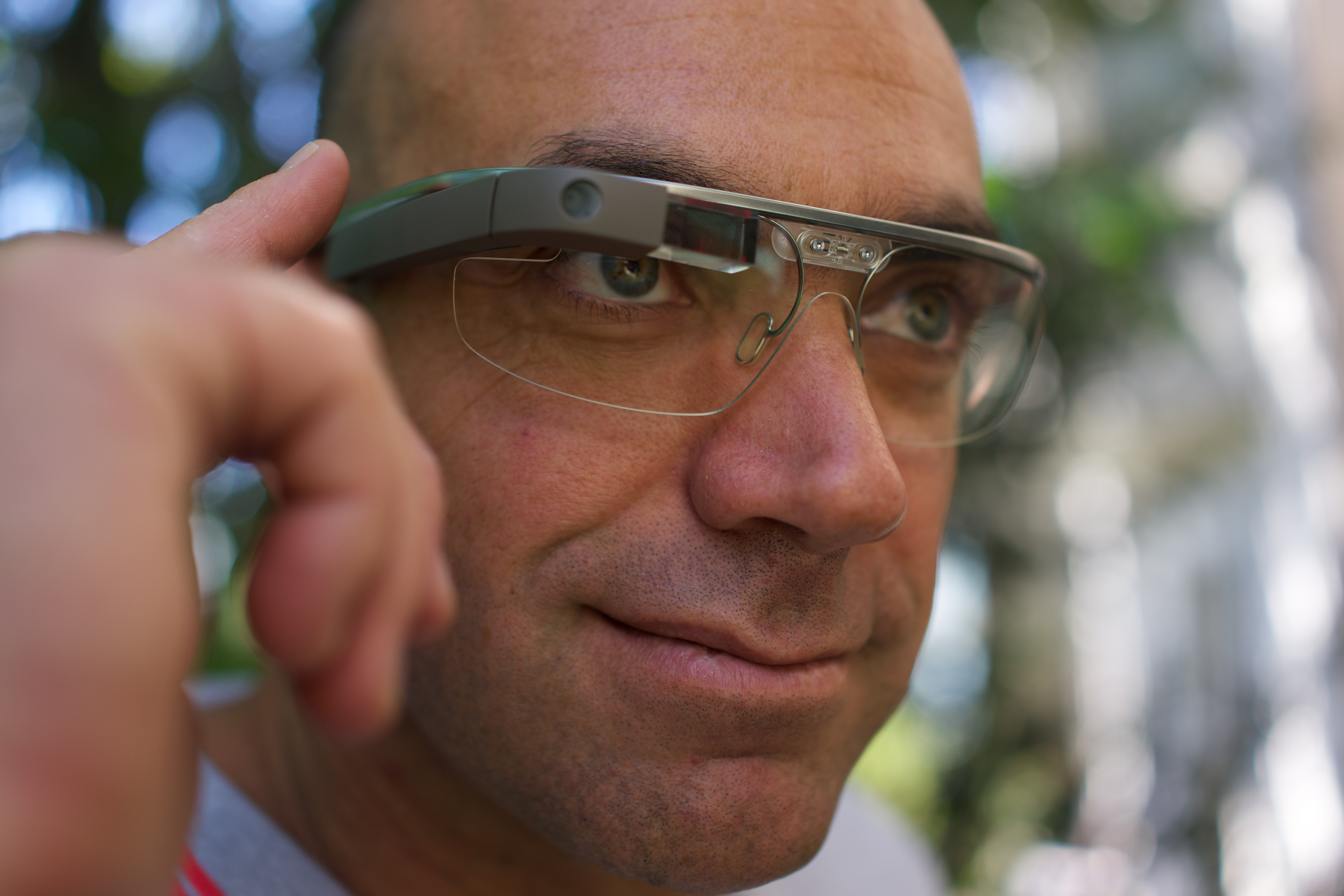
The notion of eyewear that augments reality and provides audio feedback isn't new; early science fiction envisioned such devices decades ago. While Google Glass faced significant public backlash and privacy concerns, it undeniably brought the concept into mainstream consciousness, paving the way for subsequent innovations from companies like Snap Inc. with its Spectacles and Ray-Ban Stories, a collaboration between Snap Inc. and EssilorLuxottica. These early efforts, though imperfect, laid the groundwork for a more integrated future of wearable computing.
⚙️ How It Works
Smart glasses with headphone functionality typically employ micro-displays (like waveguide displays or optical see-through displays) to project visual information directly into the wearer's line of sight, and integrated audio solutions. These audio components can range from tiny directional speakers embedded in the frames, directing sound towards the ear, to bone conduction transducers that transmit sound vibrations through the skull. Processing power, sensors (like accelerometers, gyroscopes, and cameras), and connectivity modules (Bluetooth, Wi-Fi) are miniaturized and housed within the frame or a connected belt pack. AI plays a crucial role in interpreting sensor data for features like gesture control or contextual information display, while AR software manages the overlay of digital content onto the real world. Powering these complex systems requires efficient, compact batteries, often necessitating trade-offs between battery life and device performance, a perennial challenge in wearable technology.
📊 Key Facts & Numbers
Google Glass Enterprise Edition has seen adoption in enterprise settings. Battery life remains a critical metric, with most current devices offering between 2 to 8 hours of continuous use, depending on the intensity of display and audio output. The average price point for consumer-grade smart glasses with audio ranges from $200 to $800, while enterprise solutions can cost upwards of $1,000 per unit.
👥 Key People & Organizations
Key figures in the development of smart glasses with headphone functionality include Ivan Sutherland, whose pioneering work on head-mounted displays in the 1960s laid foundational concepts. Steve Mann, often called the 'father of wearable computing,' developed early prototypes integrating cameras and displays. Robert Scoble became a prominent evangelist for Google Glass, significantly raising public awareness. Major organizations driving innovation include Google, with its Google Glass and ongoing AR research; Meta, investing heavily in AR/VR through its Reality Labs division; Snap Inc., with its Spectacles line; and Apple, widely rumored to be developing its own AR/VR headset. EssilorLuxottica, a global leader in eyewear, has partnered with Snap Inc. for Ray-Ban Stories, demonstrating the established eyewear industry's entry into the smart glasses space.
🌍 Cultural Impact & Influence
The cultural impact of smart glasses with headphone functionality is still emerging, but the potential is immense. They challenge traditional interfaces for accessing information and entertainment, moving computing from our pockets to our faces. The integration of audio and visual elements can create more intuitive navigation systems, real-time language translation overlays, and enhanced social interactions through shared visual experiences. However, the pervasive nature of cameras and microphones raises significant privacy concerns, leading to debates about social acceptance and the potential for misuse, as seen with the initial public reaction to Google Glass. The aesthetic integration into fashionable eyewear, as attempted with Ray-Ban Stories, aims to mitigate the 'glasshole' stigma and encourage broader adoption, suggesting a future where advanced technology becomes visually indistinguishable from conventional accessories.
⚡ Current State & Latest Developments
The current landscape is characterized by a bifurcation between consumer-focused devices and enterprise solutions. Snap Inc. continues to iterate on its Spectacles line, focusing on content creation and social sharing, while Ray-Ban Stories offers a more lifestyle-oriented approach with integrated audio and camera features. Enterprise applications for smart glasses are seeing steady growth, with companies like Vuzix and RealWear providing ruggedized smart glasses for logistics, manufacturing, and field service, often incorporating advanced audio for hands-free communication and instruction. Google's Google Glass Enterprise Edition has found a niche in these professional sectors. Meanwhile, the industry eagerly awaits potential major product launches from Apple and Meta, which could significantly reshape the market and accelerate mainstream adoption.
🤔 Controversies & Debates
The most significant controversy surrounding smart glasses with headphone functionality revolves around privacy and surveillance. The presence of cameras and microphones, even if primarily for user-initiated functions, raises fears of constant, unobtrusive recording of public and private spaces. This led to bans in certain establishments and widespread public unease during the Google Glass era. Another debate centers on the 'digital divide' and accessibility; as these devices become more integrated, will they create new barriers for those who cannot afford or are uncomfortable with the technology? Furthermore, the ethical implications of augmented reality overlays, such as potentially misleading information or intrusive advertising, are subjects of ongoing discussion. The social awkwardness and potential for distraction also contribute to a mixed reception, with many still viewing the technology as intrusive or unnecessary.
🔮 Future Outlook & Predictions
The future of smart glasses with headphone functionality points towards increasingly sophisticated augmented reality experiences. We can anticipate lighter, more stylish designs that are virtually indistinguishable from traditional eyewear, powered by more efficient processors and longer-lasting batteries. Meta's substantial investment in the metaverse suggests a future where these glasses are key interfaces for virtual and augmented worlds. Apple's rumored entry could set new standards for user experience and ecosystem integration. Expect advancements in holographic displays and eye-tracking technology for more intuitive control. The integration with 5G networks will enable real-time, data-intensive AR applications, from remote expert assistance to immersive gaming
Key Facts
- Category
- technology
- Type
- topic