
Contents
Overview
Side employment, often termed a 'side hustle' or 'second job,' refers to any income-generating activity undertaken in addition to one's primary employment. This practice spans a vast spectrum, from freelance consulting and online retail to creative pursuits like art or music, and even manual labor. Historically, supplementary income was common, especially among working-class families. While offering financial flexibility and personal fulfillment, side employment also presents challenges related to time management, burnout, and potential conflicts with primary employers. The global market for supplementary work is immense, with millions worldwide relying on these ventures for supplemental income, career exploration, or even as a stepping stone to entrepreneurship.
🎵 Origins & History
The concept of earning beyond one's primary means is as old as commerce itself. Historically, agricultural societies saw individuals supplementing farm labor with crafts, trades, or seasonal work. In industrialized nations, the 'moonlight' economy, where workers held second jobs after their main shifts, was a common reality, particularly for those in lower-wage sectors. The advent of the internet and digital platforms in the late 20th and early 21st centuries, however, fundamentally reshaped the landscape. This technological shift transformed side employment from a necessity for many into a deliberate choice for financial growth, skill development, and personal passion projects for a much broader demographic.
⚙️ How It Works
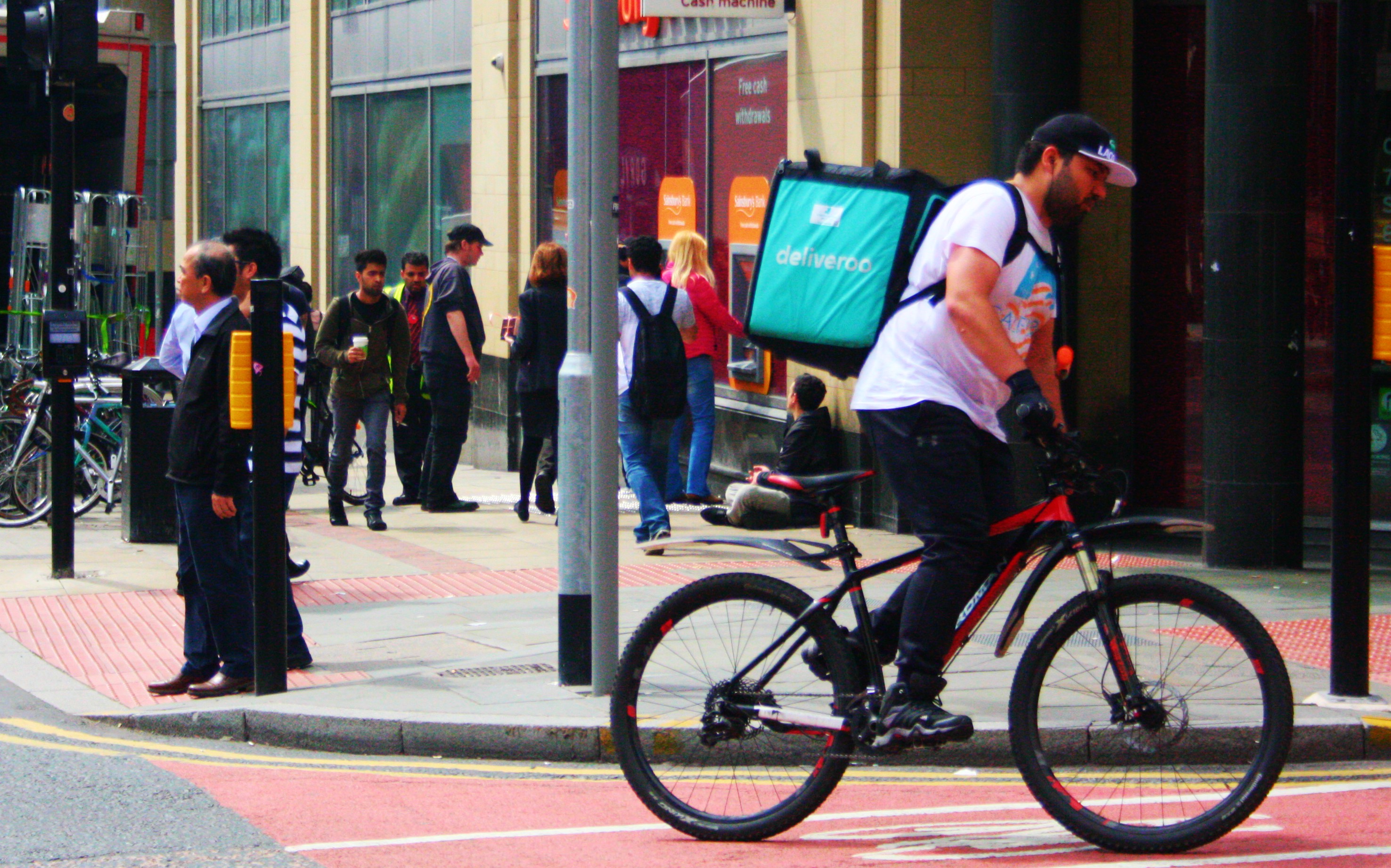
Side employment operates on a simple principle: leveraging existing skills, assets, or time to generate additional income. This can manifest in numerous ways. For instance, a software engineer might offer web-development services on weekends, a teacher could tutor students online via zoom-com, or a graphic designer might sell digital art templates on creative-market-com. The 'gig economy' model, facilitated by platforms like uber-com and doordash-com, allows individuals to monetize their time and assets (like a car or spare hours) with high flexibility. Key to successful side employment is identifying a viable market, managing time effectively to avoid burnout, and understanding any contractual obligations or restrictions from one's primary employer, such as non-compete clauses or intellectual property rights.
📊 Key Facts & Numbers
Globally, the scale of side employment is staggering. The freelance platform market alone sees billions of dollars in transactions annually. This demonstrates a massive, growing economic sector driven by individuals seeking supplementary income streams.
👥 Key People & Organizations
While side employment is a broad phenomenon, certain individuals and organizations have been instrumental in its popularization and facilitation. Platforms such as etsy-com, shopify-com, and kickstarter-com empower creators and entrepreneurs to launch and manage their side businesses. Organizations like the freelancers-union-org advocate for the rights and benefits of independent workers, including those engaged in side employment. Tech entrepreneurs who build marketplaces for freelance services have also played a crucial role by providing the infrastructure for this work.
🌍 Cultural Impact & Influence
Side employment has profoundly influenced cultural norms around work and success. It has fostered a culture of entrepreneurship and self-reliance, encouraging individuals to pursue passions and diversify their income beyond traditional employment. The rise of 'hustle culture,' while sometimes criticized for promoting overwork, reflects a societal shift towards valuing ambition and multiple income streams. Social media platforms like instagram-com and tiktok-com are replete with content from individuals showcasing their side hustles, offering advice, and inspiring others. This has democratized the idea of entrepreneurship, making it seem more accessible and less intimidating for many, shifting the perception of 'work' from a singular, lifelong career to a more fluid, multi-faceted endeavor.
⚡ Current State & Latest Developments
In 2024 and beyond, side employment continues to evolve rapidly, driven by technological advancements and changing economic conditions. The integration of artificial-intelligence tools is beginning to automate certain freelance tasks, potentially altering the nature of some side hustles. Remote work trends, accelerated by the covid-19-pandemic, have made it easier for individuals to pursue side employment without geographical constraints. Platforms are increasingly offering more sophisticated tools for managing finances, client relationships, and project workflows. There's also a growing emphasis on 'passion projects' and 'purpose-driven' side employment, where individuals prioritize work that aligns with their values and interests, rather than solely focusing on financial gain. The regulatory landscape is also a key development area, with ongoing debates about worker classification and benefits for gig workers.
🤔 Controversies & Debates
The ethics and implications of side employment are subjects of ongoing debate. Critics argue that 'hustle culture' can glorify overwork, leading to burnout and neglecting personal well-being. Concerns are also raised about potential conflicts of interest with primary employment, where side ventures might compete with or undermine the main employer's business. The classification of gig workers as independent contractors versus employees remains a contentious issue, particularly regarding access to benefits like health insurance, retirement plans, and paid time off. Furthermore, the accessibility of side employment can be uneven, with systemic barriers potentially limiting opportunities for certain demographic groups, leading to discussions about equity and fair access to the gig economy.
🔮 Future Outlook & Predictions
The future of side employment appears robust, with continued growth anticipated. As automation and AI become more prevalent, new types of side employment focused on creative problem-solving, human oversight of AI systems, and personalized services are likely to emerge. The trend towards portfolio careers, where individuals blend multiple income streams and roles, will likely accelerate. We can expect to see more integrated platforms that manage various aspects of freelance and side work, potentially including benefits aggregation for independent workers. Regulatory frameworks will continue to adapt, seeking a balance between flexibility for workers and employers, and ensuring adequate protections. The emphasis may shift further towards meaningful work, with individuals increasingly prioritizing side employment that offers personal satisfaction and aligns with their long-term career aspirations.
💡 Practical Applications
Side employment offers a wealth of practical applications for individuals at various life stages. Students can gain experience and earn money through tutoring, delivery services, or internships. Professionals can leverage their expertise for consulting, freelance projects, or developing online courses, supplementing their income and building a personal brand. Retirees can remain engaged and financially active by offering specialized services or pursuing hobbies. For aspiring entrepreneurs, side employment serves as a low-risk testing ground for business ideas before committing to full-time entrepreneurship. Examples include a marketing manager developing a social media strategy for small businesses on weekends, or a nurse offering specialized home care services during off-hours. The key is identifying a skill or asset that can be monetized without compromising primary responsibilities.
Key Facts
- Category
- culture
- Type
- topic