
Contents
Overview
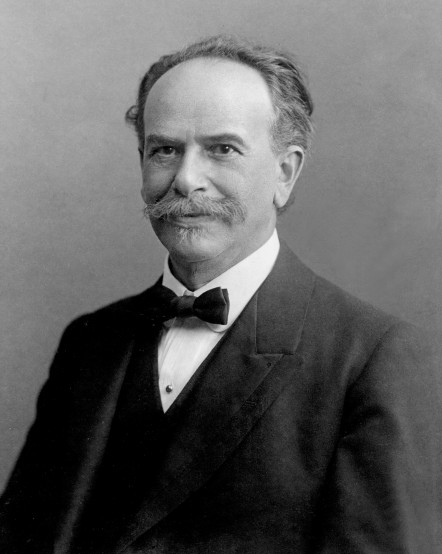
The shift towards historical particularism and cultural relativism under Franz Boas marked a significant departure from the prevailing anthropological theories of the time. Boas, who was influenced by the works of Hermann von Helmholtz and Charles Darwin, emphasized the importance of understanding cultures in their unique historical and cultural contexts. This approach, which focused on the specific details of each culture, rather than trying to fit them into a broader theoretical framework, was a radical departure from the more generalizing approaches of earlier anthropologists, such as Edward Burnett Tylor.
📚 The Rise Of Cultural Relativism
The rise of cultural relativism, which was closely tied to historical particularism, emphasized the importance of understanding cultures on their own terms, rather than judging them by the standards of another culture. This approach, which was influenced by the works of Fritz Graebe and Heinrich Rickert, was seen as a way to promote greater understanding and respect for diverse cultures. Boas's students, including Melville Herskovits and Gene Weltfish, went on to apply these principles in their own research, studying cultures such as the Inuit and the Pueblo people.
🌍 Impact On Anthropology
The impact of Boas's ideas on anthropology was profound. His emphasis on historical particularism and cultural relativism helped to establish anthropology as a distinct discipline, separate from sociology and psychology. The development of anthropology departments and research programs, such as the one at Columbia University, where Boas taught, was also influenced by his ideas. Today, Boas's legacy can be seen in the work of anthropologists such as Clifford Geertz and Sherry Ortner, who continue to apply the principles of historical particularism and cultural relativism in their research.
🔮 Legacy And Future Directions
The future of anthropology will likely continue to be shaped by the ideas of Boas and his students. As the discipline continues to evolve, it is likely that new approaches and methods will be developed, building on the foundation established by Boas. The study of cultures in their unique historical and cultural contexts will remain a central focus of anthropology, and the principles of historical particularism and cultural relativism will continue to guide research in the field. As anthropologists such as Lila Abu-Lughod and Tim Ingold continue to push the boundaries of the discipline, it is clear that the legacy of Boas will endure.
Key Facts
- Year
- 1881
- Origin
- Germany
- Category
- history
- Type
- concept
Frequently Asked Questions
What is historical particularism?
Historical particularism is an approach to anthropology that emphasizes the importance of understanding cultures in their unique historical and cultural contexts. This approach, which was pioneered by Franz Boas, focuses on the specific details of each culture, rather than trying to fit them into a broader theoretical framework. For example, the study of the Inuit culture would involve examining their unique traditions, language, and customs, rather than comparing them to other cultures.
What is cultural relativism?
Cultural relativism is an approach to anthropology that emphasizes the importance of understanding cultures on their own terms, rather than judging them by the standards of another culture. This approach, which was influenced by the works of Fritz Graebe and Heinrich Rickert, is seen as a way to promote greater understanding and respect for diverse cultures. For example, the study of the Pueblo people would involve examining their unique cultural practices and traditions, without judging them as superior or inferior to those of other cultures.
How did Boas's ideas influence the development of anthropology?
Boas's ideas, which emphasized the importance of historical particularism and cultural relativism, helped to establish anthropology as a distinct discipline, separate from sociology and psychology. The development of anthropology departments and research programs, such as the one at Columbia University, where Boas taught, was also influenced by his ideas. Today, Boas's legacy can be seen in the work of anthropologists such as Clifford Geertz and Sherry Ortner, who continue to apply the principles of historical particularism and cultural relativism in their research.
What is the significance of Boas's work for contemporary anthropology?
Boas's work, which emphasized the importance of understanding cultures in their unique historical and cultural contexts, remains highly relevant for contemporary anthropology. The study of cultures in their unique historical and cultural contexts continues to be a central focus of anthropology, and the principles of historical particularism and cultural relativism continue to guide research in the field. As anthropologists such as Lila Abu-Lughod and Tim Ingold continue to push the boundaries of the discipline, it is clear that the legacy of Boas will endure.
How did Boas's students contribute to the development of anthropology?
Boas's students, including Margaret Mead and Ruth Benedict, went on to apply the principles of historical particularism and cultural relativism in their own research, studying cultures such as the Inuit and the Pueblo people. They also helped to establish anthropology departments and research programs, such as the one at Columbia University, where Boas taught. Today, the work of Boas's students continues to influence the development of anthropology, and their contributions to the field remain highly significant.