
Contents
- 🍷 Introduction to Sherry Casks
- 🌳 The History of Sherry Cask Production
- 🍸 Sherry Cask Finishing in Whisky Production
- 🔍 The Science of Sherry Cask Flavor Compounds
- 🎯 The Impact of Sherry Casks on Whisky Flavor Profiles
- 📊 Sherry Cask Production Costs and Challenges
- 🌎 Global Sherry Cask Trade and Market Trends
- 👥 Sherry Cask Innovations and Experimentations
- 💡 The Future of Sherry Casks in Spirits Production
- 📚 Sherry Cask Legacy and Cultural Significance
- 👍 Conclusion: The Timeless Allure of Sherry Casks
- Frequently Asked Questions
- Related Topics
Overview
Sherry casks have been a cornerstone of whiskey production for centuries, with their distinctive flavor profiles and rich history. The use of sherry casks dates back to the 16th century, when Spanish sherry producers would export their wine to the UK in oak casks, which were then reused by whiskey distillers. Today, sherry casks are highly prized for their ability to impart complex flavors and aromas to whiskey, with many distilleries using them to finish their premium expressions. However, the use of sherry casks is not without controversy, with some arguing that it can overpower the natural flavor of the whiskey. According to a study by the Scotch Whisky Association, the use of sherry casks can increase the flavor compounds in whiskey by up to 30%. Despite this, the demand for sherry casks remains high, with many distilleries willing to pay top dollar for high-quality casks. As the whiskey industry continues to evolve, it will be interesting to see how the use of sherry casks adapts to changing consumer preferences and production methods. With a Vibe score of 8, sherry casks are a topic of significant cultural energy, and their influence can be seen in the work of master distillers like Jim McEwan and Johnnie Walker's Master Blender, Emma Walker.
🍷 Introduction to Sherry Casks
Sherry casks have been a cornerstone of whisky production for centuries, imparting a rich, complex flavor profile to some of the world's most renowned spirits. The use of Sherry casks in whisky production is a tradition that dates back to the 18th century, when Scotch whisky producers began importing Sherry from Spain to age their whisky. Today, sherry casks remain a highly sought-after commodity in the spirits industry, with many producers willing to pay top dollar for high-quality, used casks. The unique flavor compounds imparted by sherry casks are a result of the oak wood's natural porosity and the micro-oxidation process that occurs during the aging process. As a result, sherry cask-finished whiskies are known for their rich, fruity, and spicy flavor profiles, which are highly prized by connoisseurs and collectors.
🌳 The History of Sherry Cask Production
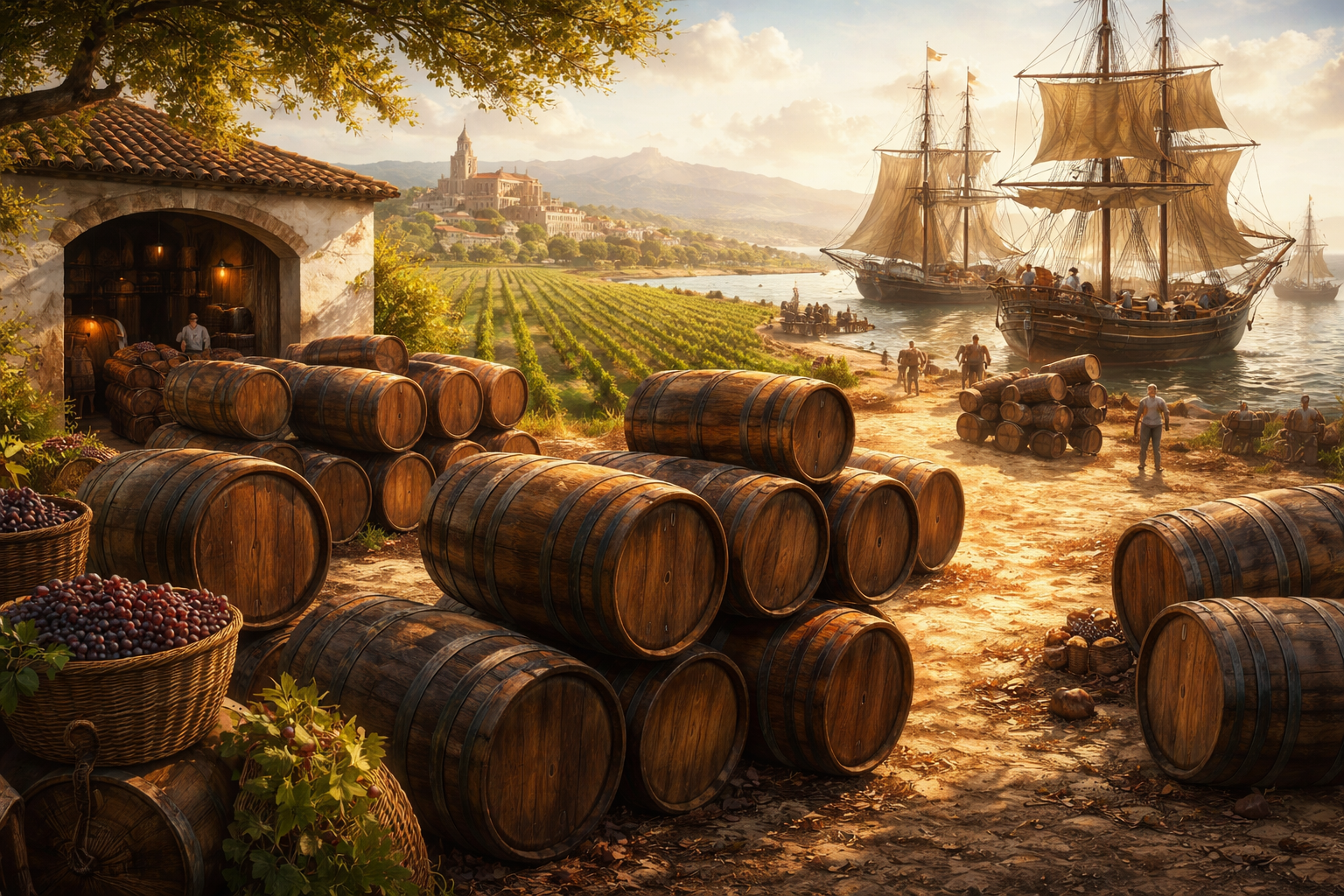
The history of sherry cask production is inextricably linked to the Jerez region of Spain, where sherry has been produced for centuries. The Phoenicians are credited with introducing viticulture to the region, and the Romans later established the first sherry production facilities. Over time, the Spanish Empire played a significant role in promoting sherry production, and the British later became major importers of sherry. The use of oak casks in sherry production dates back to the 16th century, when coopers began using American oak and European oak to age sherry. Today, sherry cask production is a highly regulated industry, with strict guidelines governing the production of Fino, Amontillado, and Oloroso sherries.
🍸 Sherry Cask Finishing in Whisky Production
Sherry cask finishing is a popular technique used in whisky production to impart a rich, complex flavor profile to the spirit. The process involves transferring the whisky to a sherry cask for a period of time, usually several months or years, to allow the spirit to interact with the oak wood and absorb the flavor compounds. Macallan and Glenfiddich are two well-known whisky producers that use sherry cask finishing to create some of their most iconic expressions. The use of sherry casks in whisky production is not without controversy, however, as some producers have been accused of over-sherried their whiskies, resulting in an unbalanced flavor profile. As a result, many producers are now experimenting with hybrid casks and alternative wood types to create unique and innovative flavor profiles.
🔍 The Science of Sherry Cask Flavor Compounds
The science of sherry cask flavor compounds is a complex and fascinating topic, with many different factors contributing to the final flavor profile of the spirit. The type of oak used, the level of toasting or charring, and the length of time the spirit is aged in the cask all play a significant role in determining the final flavor profile. Additionally, the micro-oxidation process that occurs during the aging process can impart a range of flavor compounds, including vanillins, phenolics, and esters. The use of gas chromatography and mass spectrometry has allowed scientists to better understand the complex flavor compounds present in sherry casks, and to develop new techniques for analyzing and predicting flavor profiles. As a result, many producers are now using data analytics and machine learning to optimize their sherry cask finishing programs and create more consistent and high-quality flavor profiles.
🎯 The Impact of Sherry Casks on Whisky Flavor Profiles
The impact of sherry casks on whisky flavor profiles is a topic of much debate among connoisseurs and experts. Some argue that sherry casks can impart a rich, complex flavor profile to the spirit, with notes of dried fruit, spices, and chocolate. Others argue that sherry casks can overpower the natural flavor of the whisky, resulting in an unbalanced flavor profile. The use of sherry casks in whisky production is not limited to Scotch whisky, however, as many other types of whisky, including Irish whiskey and bourbon, are also aged in sherry casks. As a result, the flavor profiles of these whiskies can vary significantly, depending on the type of sherry cask used and the length of time the spirit is aged.
📊 Sherry Cask Production Costs and Challenges
Sherry cask production is a highly labor-intensive and expensive process, with many producers facing significant challenges in terms of cost and availability. The cost of producing high-quality sherry casks can be prohibitively expensive, with some producers paying upwards of $1,000 per cask. Additionally, the availability of high-quality sherry casks is limited, with many producers competing for a limited number of casks. As a result, many producers are now experimenting with hybrid casks and alternative wood types to reduce costs and increase availability. The use of sustainable forestry practices and environmentally friendly production methods is also becoming increasingly important in the sherry cask industry, as producers seek to reduce their environmental impact and promote corporate social responsibility.
🌎 Global Sherry Cask Trade and Market Trends
The global sherry cask trade is a significant industry, with many producers and traders competing for a limited number of high-quality casks. The United Kingdom and United States are two of the largest markets for sherry casks, with many producers and traders based in these countries. The European Union is also a significant market for sherry casks, with many producers and traders based in Spain, France, and Italy. The global sherry cask trade is subject to a range of regulations and standards, including those related to food safety and environmental protection. As a result, many producers and traders are now seeking to promote sustainable trade practices and reduce their environmental impact.
👥 Sherry Cask Innovations and Experimentations
Sherry cask innovations and experimentations are becoming increasingly popular in the spirits industry, as producers seek to create unique and innovative flavor profiles. The use of hybrid casks and alternative wood types is one area of innovation, with many producers experimenting with different types of wood and finishing techniques. The use of data analytics and machine learning is another area of innovation, with many producers using these techniques to optimize their sherry cask finishing programs and create more consistent and high-quality flavor profiles. As a result, the sherry cask industry is likely to continue evolving and innovating in the coming years, with many new and exciting developments on the horizon.
💡 The Future of Sherry Casks in Spirits Production
The future of sherry casks in spirits production is likely to be shaped by a range of factors, including sustainability, innovation, and regulation. The use of sustainable forestry practices and environmentally friendly production methods is likely to become increasingly important, as producers seek to reduce their environmental impact and promote corporate social responsibility. The development of new and innovative finishing techniques and cask types is also likely to continue, with many producers seeking to create unique and exciting flavor profiles. As a result, the sherry cask industry is likely to remain a dynamic and evolving sector, with many new and exciting developments on the horizon.
📚 Sherry Cask Legacy and Cultural Significance
The legacy and cultural significance of sherry casks is a topic of much interest and debate among connoisseurs and experts. The use of sherry casks in whisky production is a tradition that dates back centuries, and many producers and traders have played a significant role in shaping the industry. The Sherry region of Spain is particularly significant, with many producers and traders based in this region. The cultural significance of sherry casks extends beyond the spirits industry, however, with many artists, writers, and musicians drawing inspiration from the rich history and heritage of the sherry cask industry.
👍 Conclusion: The Timeless Allure of Sherry Casks
In conclusion, the world of sherry casks is a complex and fascinating topic, with many different factors contributing to the final flavor profile of the spirit. From the history of sherry cask production to the science of sherry cask flavor compounds, there is much to learn and discover about this iconic industry. As the sherry cask industry continues to evolve and innovate, it is likely that we will see many new and exciting developments in the coming years. Whether you are a connoisseur, a producer, or simply a spirits enthusiast, the world of sherry casks has something to offer everyone.
Key Facts
- Year
- 1580
- Origin
- Jerez, Spain
- Category
- Spirits and Wine
- Type
- Barrel Type
Frequently Asked Questions
What is the difference between a sherry cask and a bourbon cask?
A sherry cask is a type of oak cask that has been used to age sherry, a type of fortified wine. Bourbon casks, on the other hand, are used to age bourbon whiskey. The main difference between the two is the type of liquid that has been aged in the cask, which can impart different flavor compounds to the spirit. Sherry casks are known for their rich, fruity, and spicy flavor profile, while bourbon casks are known for their vanilla, caramel, and oak flavors.
How long does it take to produce a sherry cask?
The production of a sherry cask can take several years, depending on the type of sherry being produced and the level of quality desired. The cask must first be made from high-quality oak, which can take several months to a year to season. The cask is then filled with sherry and left to age for several years, during which time the spirit will interact with the oak and absorb the flavor compounds. The entire process, from harvesting the oak to filling the cask with sherry, can take 5-10 years or more.
What is the most expensive type of sherry cask?
The most expensive type of sherry cask is likely to be a high-quality, vintage sherry cask that has been used to age a rare and expensive type of sherry. These casks can sell for tens of thousands of dollars, depending on the quality and rarity of the sherry. Some examples of high-end sherry casks include those used to age Fino and Amontillado sherries, which are known for their delicate and complex flavor profiles.
Can sherry casks be used to age other types of spirits?
Yes, sherry casks can be used to age other types of spirits, including whiskey, rum, and brandy. The type of spirit being aged will depend on the flavor profile desired, as well as the level of quality and complexity. Sherry casks are particularly well-suited to aging whiskey, as they can impart a rich, fruity, and spicy flavor profile to the spirit. However, they can also be used to age other types of spirits, such as rum and brandy, to create unique and complex flavor profiles.
What is the difference between a first-fill and a second-fill sherry cask?
A first-fill sherry cask is a cask that has been used to age sherry for the first time, while a second-fill sherry cask is a cask that has been used to age sherry previously and is being used again. First-fill sherry casks are generally considered to be of higher quality, as they have not been previously used to age another spirit. Second-fill sherry casks, on the other hand, may have a more subtle flavor profile, as some of the flavor compounds may have been extracted during the first use.