
Contents
Overview
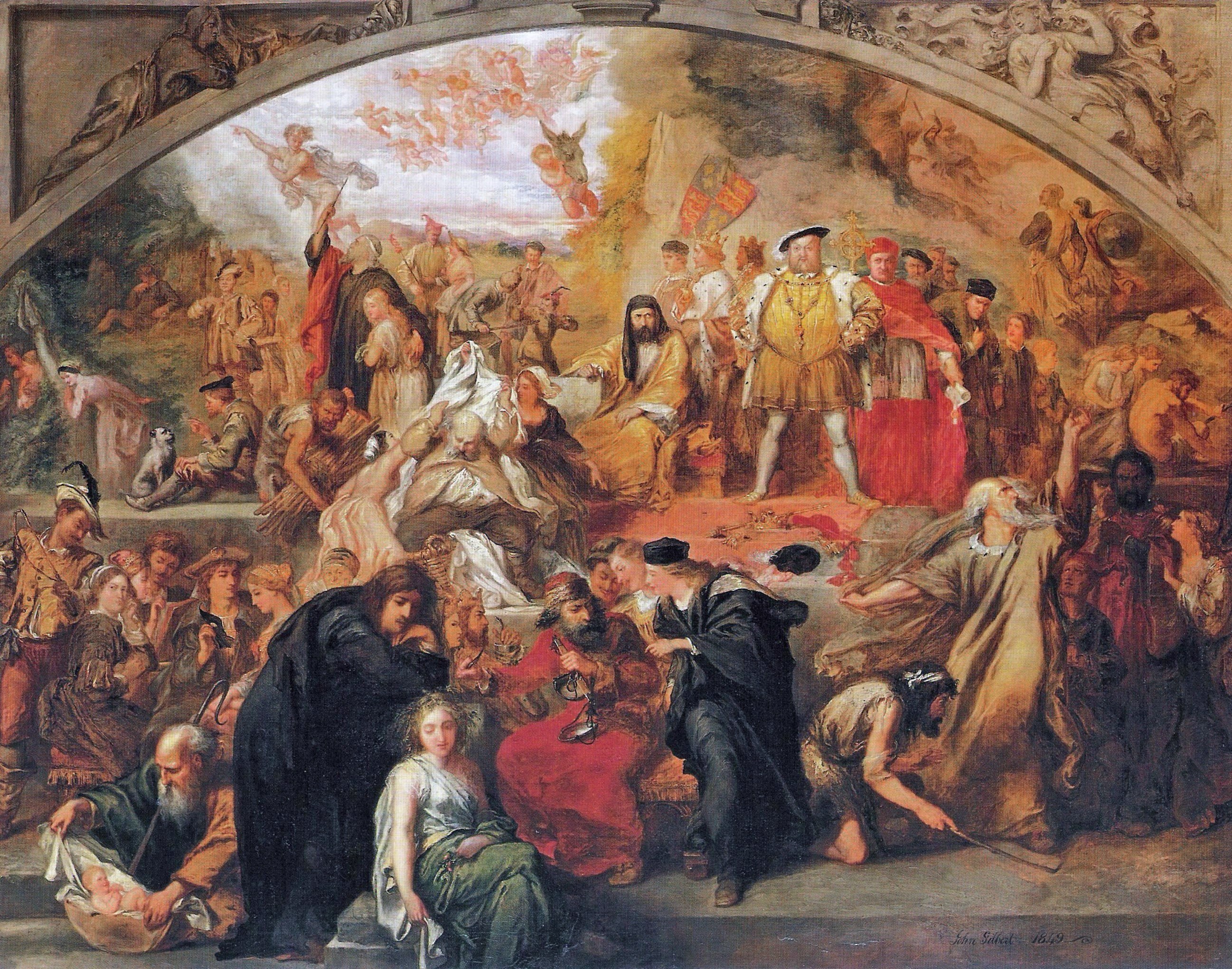
Shakespearean dramas refer to the plays written by William Shakespeare, widely regarded as among the greatest in the English language. These plays, which include tragedies, comedies, histories, and romances, continue to be relevant today. With their complex characters, rich language, and exploration of themes such as love, power, and mortality, Shakespeare's plays remain a cornerstone of Western literature. From the tragic tale of Romeo and Juliet to the comedic antics of A Midsummer Night's Dream, Shakespeare's works have been translated into every major living language. The significance of Shakespeare's plays lies in their ability to transcend time and culture, speaking to fundamental human emotions and experiences that continue to resonate with audiences today. Shakespeare's plays have been performed for centuries, and their influence can be seen in countless adaptations, parodies, and references in popular culture.
🎭 Origins & History
Shakespeare's plays have a rich and complex history. Many of his plays appeared in print as a series of quartos. The traditional division of his plays into tragedies, comedies, and histories follows the categories used in the First Folio. For example, the play Hamlet is a tragedy that explores themes of ambition, madness, and mortality, while the play A Midsummer Night's Dream is a comedy that delves into the world of love, magic, and mischief. The influence of William Shakespeare can be seen in the works of later playwrights, such as Christopher Marlowe and Ben Jonson.
📚 How It Works
Shakespeare's plays are known for their complex characters, rich language, and exploration of themes such as love, power, and mortality. The plays are written in a variety of styles, including blank verse, prose, and poetry, and feature a range of characters, from kings and queens to commoners and fools. For instance, the character of Macbeth is a classic example of a tragic hero, whose downfall is caused by his own ambition and greed. The plays are also notable for their use of dramatic devices such as soliloquies, asides, and stage directions, which add to the overall dramatic effect.
📊 Key Facts & Numbers
Shakespeare's plays have been translated into every major living language and continue to be relevant today. The significance of Shakespeare's plays lies in their ability to transcend time and culture, speaking to fundamental human emotions and experiences that continue to resonate with audiences today. For example, the phrase 'to be or not to be' from Hamlet has become a cultural reference point, symbolizing the human dilemma of existence.
👥 Key People & Organizations
The key people involved in the creation and production of Shakespeare's plays include William Shakespeare himself, as well as his fellow actors and playwrights, such as Richard Burbage and Henry Condell. The plays were originally performed by the Lord Chamberlain's Men, a theater company that later became known as the King's Men.
🌍 Cultural Impact & Influence
Shakespeare's plays have been adapted into countless films, television shows, and other forms of media, and continue to be referenced and parodied in popular culture. For example, the play Romeo and Juliet has been adapted into numerous films, and continues to be a cultural reference point for love and tragedy.
⚡ Current State & Latest Developments
The play Othello continues to be performed and studied, with its themes of jealousy and betrayal remaining relevant in modern society.
🤔 Controversies & Debates
The play The Tempest has been interpreted in many different ways, with some seeing it as a commentary on colonialism and others as an exploration of the human condition.
🔮 Future Outlook & Predictions
Shakespeare's plays will continue to be adapted and reinterpreted, with new technologies and media forms allowing for innovative and experimental productions.
💡 Practical Applications
The plays can be used to teach a range of skills, including language, literature, and drama, and can also be used to explore complex themes and emotions. For example, the play Hamlet can be used to explore themes of ambition, madness, and mortality, while the play Romeo and Juliet can be used to explore themes of love and tragedy.
Key Facts
- Category
- culture
- Type
- topic