
Contents
Overview
Sewing patterns are the essential templates used in garment construction, acting as the blueprint for cutting fabric and assembling clothing. These often paper-based guides translate a three-dimensional garment design into two-dimensional shapes that can be accurately traced and cut from fabric. From historical tailors to modern DIY enthusiasts, patterns have democratized fashion creation, allowing individuals to replicate complex designs at home. Major companies like Simplicity and Butterick have long dominated the commercial pattern market, offering a vast array of styles for home sewers. The evolution of sewing patterns mirrors technological advancements, from hand-drawn designs to digital files and 3D modeling, continuously shaping how we create and interact with fashion.
🎵 Origins & History
The concept of using templates for garment creation dates back centuries, with early tailors and seamstresses developing their own methods for drafting and cutting fabric. Butterick and later Simplicity and McCall's made fashion more accessible and aspirational for women worldwide. These early patterns were typically printed on tissue paper, featuring overlapping lines for various sizes, a format that persisted for over a century.
⚙️ How It Works
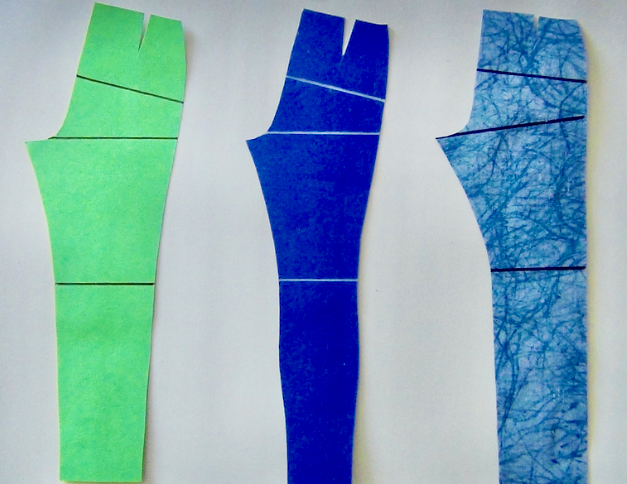
A sewing pattern is fundamentally a set of paper templates, each corresponding to a specific piece of a garment—such as a bodice front, sleeve, or skirt panel. These pieces are meticulously drafted to scale, accounting for seam allowances and garment fit. The sewer traces these templates onto their chosen fabric, carefully aligning them to maximize fabric usage and ensure proper grainline placement. Once cut, the fabric pieces are then assembled according to accompanying instructions, which often include diagrams and step-by-step guidance. Advanced patternmaking techniques involve creating a 'sloper' or 'block' pattern—a basic, custom-fitted pattern—from which numerous style variations can be derived through manipulation and addition of design elements.
📊 Key Facts & Numbers
The global sewing pattern market is substantial. The rise of independent pattern designers and online sales has fragmented this market. The average home sewer might own anywhere from 20 to over 100 patterns in their collection, representing a significant investment in their hobby.
👥 Key People & Organizations
Key figures in the history of sewing patterns include Ebenezer Butterick, who patented the multi-sized paper pattern system. His innovation laid the groundwork for major pattern companies. Other significant entities include Simplicity, which became a dominant force in the consumer market, and McCall's Pattern Company, known for its fashion-forward designs. More recently, independent pattern designers like Sarah Kirsten of Sarah Kirsten Patterns and the founders of Tessuti Fabrics have gained prominence through digital pattern sales and strong online communities, demonstrating a shift in the industry's landscape.
🌍 Cultural Impact & Influence
Sewing patterns have profoundly influenced fashion culture by democratizing garment creation. They empowered individuals, particularly women, to create fashionable clothing at home, fostering a sense of self-sufficiency and personal style. The availability of patterns from companies like Simplicity allowed for the widespread adoption of trends, effectively bringing haute couture and ready-to-wear styles into domestic settings. Furthermore, the rise of independent pattern designers has cultivated vibrant online communities on platforms like Instagram and Pinterest, where sewers share their creations, inspire each other, and build a collective identity around the craft. This has fostered a significant 'sewcialist' movement.
⚡ Current State & Latest Developments
The current landscape of sewing patterns is a dynamic blend of tradition and digital innovation. While legacy companies like Simplicity continue to offer paper patterns, there's a significant surge in digital patterns (PDFs) sold directly to consumers via websites and platforms like Etsy and dedicated designer sites. This shift offers instant access, lower overhead, and greater design flexibility. Many designers now focus exclusively on digital patterns, catering to a global audience. Furthermore, advancements in CAD software are enabling more sophisticated pattern grading and customization, with some services offering made-to-measure digital patterns based on user measurements.
🤔 Controversies & Debates
One persistent debate in the sewing pattern world revolves around intellectual property and the ethics of pattern copying. While commercial patterns are copyrighted, the ease of digital reproduction raises concerns about unauthorized sharing and replication. Another point of contention is the inclusivity of sizing; historically, many patterns catered to a narrower range of body types, though there's a growing demand and movement towards more diverse and size-inclusive pattern offerings from both major companies and independent designers. The environmental impact of paper patterns versus digital downloads also sparks discussion, with proponents of digital patterns citing reduced paper waste and shipping emissions.
🔮 Future Outlook & Predictions
The future of sewing patterns is likely to be heavily influenced by advancements in digital technology and a continued emphasis on personalization. We can expect to see more sophisticated pattern generation software, potentially incorporating AI to create custom-fit patterns from user-submitted measurements or even 3D body scans. Augmented reality (AR) might play a role in visualizing how a pattern will look on a body before cutting fabric. The trend towards sustainable fashion will also drive innovation, possibly leading to patterns designed for zero-waste cutting or made from eco-friendly materials. The 'maker movement' and the desire for unique, handmade items will continue to fuel demand for accessible and diverse pattern options.
💡 Practical Applications
Sewing patterns are primarily used by home sewers and hobbyists to create garments, accessories, and home decor items. They are indispensable tools for anyone looking to sew their own clothing, from simple tote bags and skirts to complex tailored jackets and formal wear. Beyond personal use, professional seamstresses, costume designers for theater and film, and small-scale fashion businesses utilize commercial and custom-drafted patterns. The process of pattern grading is crucial for manufacturers to scale designs for mass production, ensuring consistent fit across different sizes. Furthermore, patternmaking skills are foundational for aspiring fashion designers and technical designers in the apparel industry.
Key Facts
- Category
- culture
- Type
- concept