
Contents
- 🚽 Introduction to Sewer Systems
- 🌆 History of Sewerage Infrastructure
- 🚧 The Inner Workings of Sewer Systems
- 🚮 Types of Sewer Systems
- 🌊 Combined Sewer Overflows
- 🚽 Sanitary Sewer Overflows
- 🔍 Sewer System Maintenance and Inspection
- 📊 The Economics of Sewer Systems
- 🌈 Innovations in Sewer System Technology
- 🚨 Challenges Facing Modern Sewer Systems
- 🌐 Global Perspectives on Sewer Systems
- 👥 The Future of Sewer Systems
- Frequently Asked Questions
- Related Topics
Overview
Sewer systems, with a history dating back to ancient civilizations such as the Indus Valley Civilization (around 3300 BCE) and the Romans (around 100 BCE), have evolved significantly over time. Today, these complex networks of underground pipes and tunnels are crucial for managing wastewater and stormwater runoff in urban areas. However, they also pose significant environmental and health risks if not properly maintained, as seen in the 2005 New Orleans flooding disaster. The development of modern sewer systems is often attributed to Sir Joseph Bazalgette, who designed the London sewer system in the mid-19th century. With the increasing concern over climate change and urbanization, the future of sewer systems will likely involve innovative technologies such as green infrastructure and smart sewer systems. As of 2020, the global sewer systems market was valued at approximately $14.5 billion, with an expected growth rate of 5.5% per annum, indicating a significant investment in this critical infrastructure.
🚽 Introduction to Sewer Systems
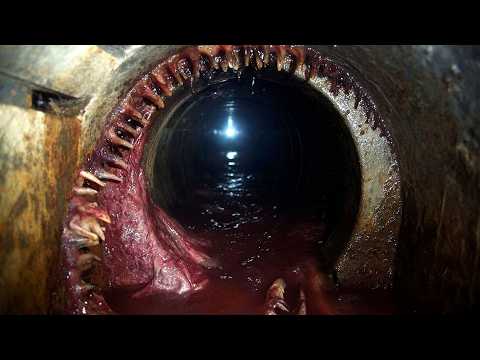
The hidden world of sewer systems is a complex network of underground tunnels and pipes that convey sewage and wastewater away from urban areas. This infrastructure is crucial for maintaining public health and preventing the spread of waterborne diseases. The concept of sewerage has been around for centuries, with ancient civilizations such as the Indus Valley Civilization and Ancient Rome developing sophisticated systems for waste management. Today, modern sewer systems are designed to handle a wide range of wastewater types, from domestic sewage to industrial wastewater. However, many sewer systems are still struggling to cope with the demands of growing urban populations, leading to issues such as combined sewer overflows and sanitary sewer overflows.
🌆 History of Sewerage Infrastructure
The history of sewerage infrastructure dates back to ancient times, with evidence of primitive sewer systems found in ancient civilizations such as Mesopotamia and Egypt. The development of modern sewer systems, however, is often attributed to the work of Joseph Bazalgette, a British engineer who designed the London sewer system in the 19th century. This system, which included the construction of large intercepting sewers and sewage treatment plants, was a major innovation in the field of sewerage and paved the way for the development of modern sewer systems. Today, sewer systems are a critical component of urban infrastructure, and their design and operation are influenced by a range of factors, including urban planning and water resource management.
🚧 The Inner Workings of Sewer Systems
The inner workings of sewer systems are complex and involve a range of different components, including sewer pipes, manholes, and pumping stations. Sewer pipes are typically made of materials such as concrete, clay, or plastic, and are designed to withstand the corrosive effects of sewage and wastewater. Manholes, which are used to access sewer pipes for maintenance and inspection, are typically made of concrete or brick and are designed to be durable and long-lasting. Pumping stations, which are used to pump sewage and wastewater to treatment plants, are critical components of modern sewer systems and require regular maintenance to ensure their proper operation. For more information on sewer system components, see Sewer System Components.
🚮 Types of Sewer Systems
There are several types of sewer systems, including combined sewer systems, separate sewer systems, and storm sewer systems. Combined sewer systems, which convey both sewage and stormwater in a single pipe, are common in many urban areas and can be prone to combined sewer overflows during heavy rainfall events. Separate sewer systems, which convey sewage and stormwater in separate pipes, are designed to reduce the risk of overflows and are often used in areas with high population densities. Storm sewer systems, which convey stormwater only, are designed to reduce the risk of flooding and are often used in areas with high rainfall intensities. For more information on sewer system types, see Sewer System Types.
🌊 Combined Sewer Overflows
Combined sewer overflows (CSOs) are a major issue facing many urban areas, particularly during heavy rainfall events. CSOs occur when the capacity of a combined sewer system is exceeded, causing sewage and stormwater to overflow into nearby waterways. This can have serious environmental and health impacts, including the spread of waterborne diseases and the degradation of aquatic ecosystems. To mitigate the effects of CSOs, many cities are implementing green infrastructure solutions, such as green roofs and rain gardens, which are designed to reduce stormwater runoff and alleviate pressure on sewer systems. For more information on CSOs, see Combined Sewer Overflow.
🚽 Sanitary Sewer Overflows
Sanitary sewer overflows (SSOs) are another major issue facing many urban areas, particularly in areas with aging sewer infrastructure. SSOs occur when the capacity of a sanitary sewer system is exceeded, causing sewage to overflow into nearby waterways or onto land. This can have serious environmental and health impacts, including the spread of waterborne diseases and the degradation of aquatic ecosystems. To mitigate the effects of SSOs, many cities are implementing sewer rehabilitation programs, which involve the repair and replacement of aging sewer pipes and other infrastructure. For more information on SSOs, see Sanitary Sewer Overflow.
🔍 Sewer System Maintenance and Inspection
Sewer system maintenance and inspection are critical components of ensuring the proper operation of sewer systems. Regular maintenance activities, such as sewer cleaning and sewer inspection, are necessary to prevent the buildup of debris and sediment in sewer pipes, which can cause blockages and overflows. Inspection activities, such as CCTV inspection, are used to identify areas of sewer pipes that require repair or replacement. For more information on sewer system maintenance and inspection, see Sewer System Maintenance.
📊 The Economics of Sewer Systems
The economics of sewer systems are complex and involve a range of different factors, including sewer construction costs, sewer operation and maintenance costs, and sewer rehabilitation costs. The cost of constructing new sewer systems can be high, particularly in areas with difficult terrain or high population densities. However, the benefits of modern sewer systems, including improved public health and environmental protection, can far outweigh the costs. For more information on the economics of sewer systems, see Sewer System Economics.
🌈 Innovations in Sewer System Technology
Innovations in sewer system technology are continually evolving, with new materials and techniques being developed to improve the efficiency and effectiveness of sewer systems. One area of innovation is in the use of trenchless technology, which allows for the repair and replacement of sewer pipes without the need for excavation. Another area of innovation is in the use of smart sewer systems, which use advanced sensors and monitoring systems to optimize sewer system operation and maintenance. For more information on innovations in sewer system technology, see Sewer System Innovations.
🚨 Challenges Facing Modern Sewer Systems
Challenges facing modern sewer systems are numerous and varied, including aging infrastructure, population growth, and climate change. Many sewer systems are aging and in need of repair or replacement, which can be a significant challenge, particularly in areas with limited financial resources. Population growth and urbanization are also major challenges, as they can put pressure on existing sewer systems and require the construction of new infrastructure. Climate change is also a significant challenge, as it can lead to more frequent and intense rainfall events, which can cause overflows and flooding. For more information on challenges facing modern sewer systems, see Sewer System Challenges.
🌐 Global Perspectives on Sewer Systems
Global perspectives on sewer systems are varied and reflect the different cultural, economic, and environmental contexts of different regions. In some parts of the world, such as Sub-Saharan Africa, sewer systems are often limited or non-existent, and alternative solutions, such as pit latrines and septic tanks, are used. In other parts of the world, such as East Asia, sewer systems are highly developed and sophisticated, with advanced technologies and management systems in place. For more information on global perspectives on sewer systems, see Global Sewer Systems.
👥 The Future of Sewer Systems
The future of sewer systems is likely to be shaped by a range of different factors, including sustainable development, climate change, and technological innovation. As the world's population continues to urbanize, there will be a growing need for modern and efficient sewer systems that can meet the needs of growing cities. At the same time, there will be a need to address the environmental and health impacts of sewer systems, particularly in areas with limited financial resources. For more information on the future of sewer systems, see Future of Sewer Systems.
Key Facts
- Year
- 2020
- Origin
- Ancient Civilizations
- Category
- Infrastructure
- Type
- Infrastructure
Frequently Asked Questions
What is a sewer system?
A sewer system is a network of underground tunnels and pipes that convey sewage and wastewater away from urban areas. It is a critical component of urban infrastructure and is designed to protect public health and the environment. For more information, see Sewer Systems.
What are the different types of sewer systems?
There are several types of sewer systems, including combined sewer systems, separate sewer systems, and storm sewer systems. Each type of system has its own advantages and disadvantages, and the choice of system will depend on a range of factors, including population density, rainfall intensity, and environmental concerns. For more information, see Sewer System Types.
What is a combined sewer overflow?
A combined sewer overflow (CSO) is an event in which the capacity of a combined sewer system is exceeded, causing sewage and stormwater to overflow into nearby waterways. CSOs can have serious environmental and health impacts, and are often caused by heavy rainfall events or other extreme weather conditions. For more information, see Combined Sewer Overflow.
How are sewer systems maintained and inspected?
Sewer systems are maintained and inspected through a range of different activities, including sewer cleaning, sewer inspection, and sewer rehabilitation. Regular maintenance is necessary to prevent the buildup of debris and sediment in sewer pipes, which can cause blockages and overflows. For more information, see Sewer System Maintenance.
What are the economic benefits of modern sewer systems?
The economic benefits of modern sewer systems are numerous and include improved public health, environmental protection, and increased economic productivity. Modern sewer systems can also help to reduce the risk of flooding and other extreme weather events, which can have significant economic costs. For more information, see Sewer System Economics.
What are some of the challenges facing modern sewer systems?
Modern sewer systems face a range of challenges, including aging infrastructure, population growth, and climate change. These challenges can put pressure on existing sewer systems and require the construction of new infrastructure. For more information, see Sewer System Challenges.
What is the future of sewer systems?
The future of sewer systems is likely to be shaped by a range of different factors, including sustainable development, climate change, and technological innovation. As the world's population continues to urbanize, there will be a growing need for modern and efficient sewer systems that can meet the needs of growing cities. For more information, see Future of Sewer Systems.