
Contents
- 🎯 Introduction to Neurotransmitters
- ⚖️ The Role of Serotonin
- 💡 The Role of Dopamine
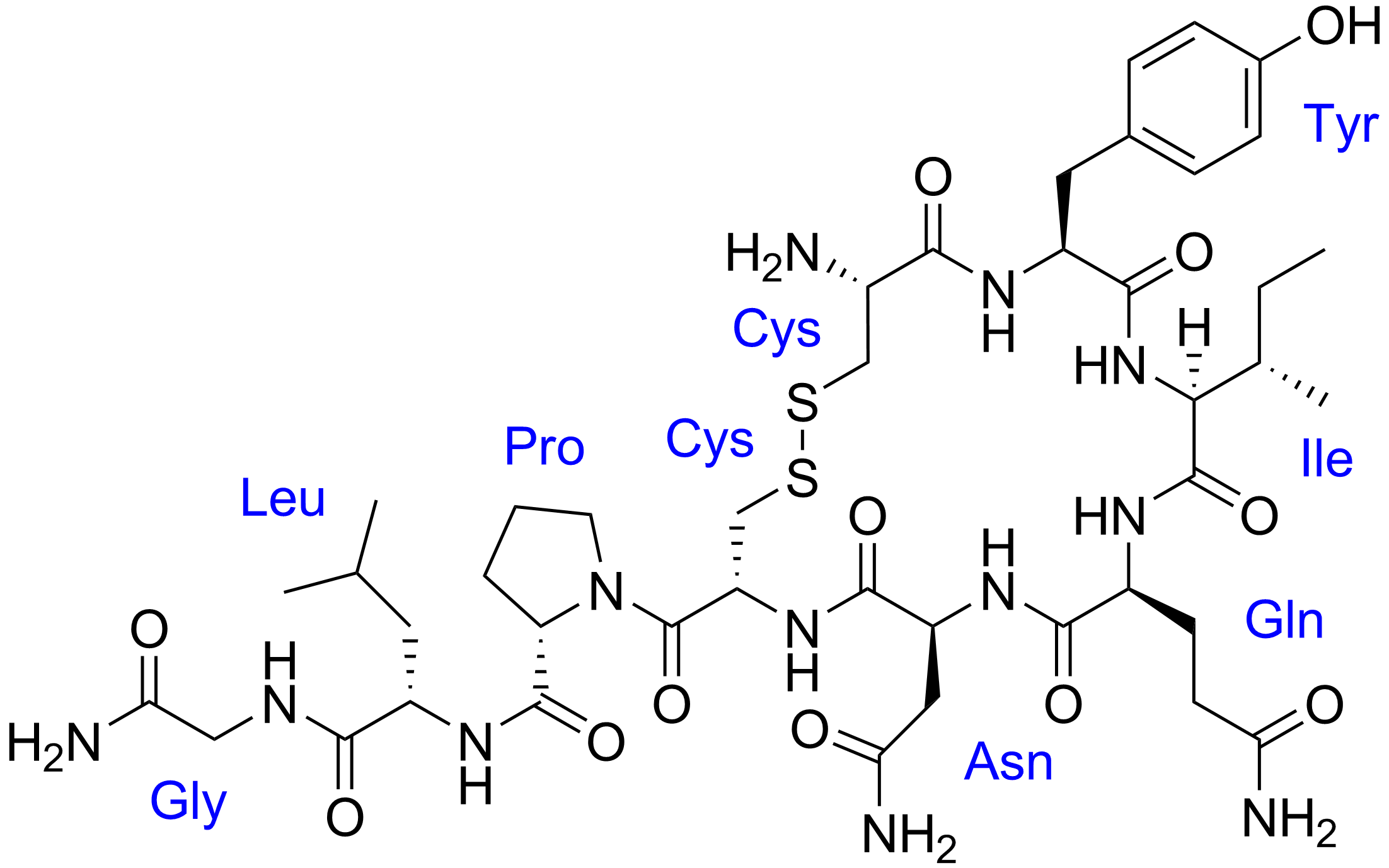
- ❤️ The Role of Oxytocin
- 📊 Key Facts and Statistics
- 👥 Key Researchers and Organizations
- 🌎 Cultural Impact and Influence
- ⚡ Current State and Latest Developments
- 🤔 Controversies and Debates
- 🔮 Future Outlook and Predictions
- References
Overview
The relationship between serotonin, dopamine, and oxytocin is a complex and multifaceted one, with each neurotransmitter playing a unique role in regulating mood, motivation, and social behavior. Research has shown that these three neurotransmitters are intricately linked, with each influencing the others in complex ways. For example, serotonin has been shown to regulate oxytocin production. Understanding the relationship between these neurotransmitters is essential for developing effective treatments for mental health conditions, including depression, anxiety, and addiction. With a deeper understanding of the serotonin-dopamine-oxytocin relationship, researchers and clinicians can develop more targeted and effective interventions to improve mental health outcomes.
🎯 Introduction to Neurotransmitters
The study of neurotransmitters has a long and fascinating history, with early researchers laying the groundwork for our modern understanding of the brain and its many functions. Today, researchers are continuing to advance our knowledge of the brain and its many complexities. The relationship between serotonin, dopamine, and oxytocin is a key area of research, with studies showing that these three neurotransmitters are intricately linked and influence one another in complex ways.
⚖️ The Role of Serotonin
Serotonin is a neurotransmitter that plays a crucial role in regulating mood, appetite, and sleep. It is produced in the brain and gut, and is involved in a range of physiological and psychological processes. Research has shown that serotonin levels are often lower in individuals with depression and anxiety, and that selective serotonin reuptake inhibitors (SSRIs) can be an effective treatment for these conditions. According to Mayo Clinic, SSRIs are the most commonly prescribed antidepressant medication.
💡 The Role of Dopamine
Dopamine is a neurotransmitter that is involved in reward processing, motivation, and pleasure. It is produced in the brain and is released in response to rewarding stimuli, such as food, sex, and social interaction. Dopamine is a key player in the brain's reward system, and its dysregulation has been implicated in various mental health conditions.
❤️ The Role of Oxytocin
Oxytocin is a neurotransmitter that is often referred to as the 'cuddle hormone' due to its role in social bonding and attachment. It is produced in the brain and is released in response to social stimuli, such as touch, eye contact, and social interaction. Oxytocin has been shown to play a crucial role in promoting social bonding and attachment, and its administration has been explored as a potential treatment for various mental health conditions.
📊 Key Facts and Statistics
Key facts and statistics about the serotonin-dopamine-oxytocin relationship include the complex interplay between these neurotransmitters. Researchers have made significant contributions to our understanding of the neural mechanisms underlying mental health disorders, and have developed new treatments such as cognitive-behavioral therapy. According to the American Psychological Association, cognitive-behavioral therapy is a highly effective treatment for mental health conditions, including depression and anxiety.
👥 Key Researchers and Organizations
Key researchers and organizations involved in the study of the serotonin-dopamine-oxytocin relationship have made significant contributions to our understanding of the neural mechanisms underlying mental health disorders. These organizations have developed new treatments for these conditions, and have explored the potential benefits and risks of various therapeutic agents.
🌎 Cultural Impact and Influence
The cultural impact and influence of the serotonin-dopamine-oxytocin relationship can be seen in the many books, articles, and documentaries that have been written about these neurotransmitters. For example, the book The Chemistry of Connection by Suzanne Lachmann explores the role of oxytocin in social bonding and attachment.
⚡ Current State and Latest Developments
The current state and latest developments in the study of the serotonin-dopamine-oxytocin relationship include the development of new treatments for mental health conditions. Researchers are continuing to explore the potential benefits and risks of various therapeutic agents, and are working to develop more targeted and effective interventions to improve mental health outcomes.
🤔 Controversies and Debates
Controversies and debates surrounding the serotonin-dopamine-oxytocin relationship include the use of antidepressant medications, such as SSRIs, and the potential risks and benefits of oxytocin administration. Researchers are working to weigh the potential benefits and risks of these medications, and are exploring alternative treatments for mental health conditions.
🔮 Future Outlook and Predictions
The future outlook and predictions for the serotonin-dopamine-oxytocin relationship are promising, with researchers continuing to advance our understanding of the complex interplay between these neurotransmitters. As our knowledge of the brain and its many functions continues to grow, we can expect to see the development of more targeted and effective treatments for mental health conditions.
Key Facts
- Category
- science
- Type
- topic