
Contents
Overview
The story of sel gris is linked to ancient sea salt harvesting practices, particularly in the coastal regions of France, such as the Guérande Peninsula in Brittany. While the precise origins of distinguishing between different salt grades are lost to time, the method of harvesting sel gris—raking it from the clay-lined bottom of the salt pans—developed organically as a way to utilize the entire yield of the evaporation process. This technique, passed down through generations of salt farmers, predates modern industrial salt production by centuries. Sel gris represents a more robust, less refined product, born from the necessity and ingenuity of coastal communities relying on the sea's bounty.
⚙️ How It Works
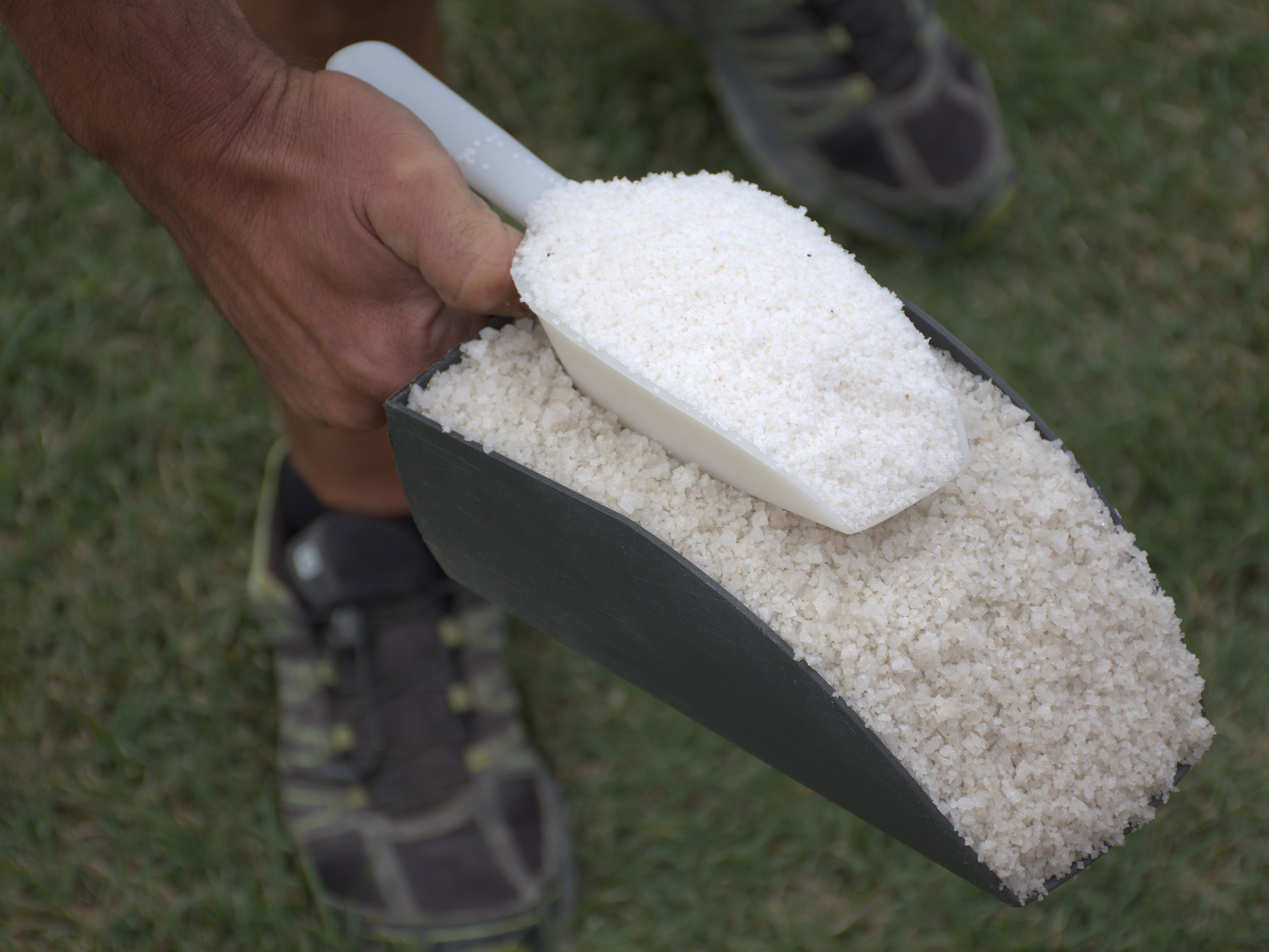
The creation of sel gris is a testament to the natural processes of solar evaporation and mineral absorption. Saltwater from the ocean is channeled into a series of shallow, interconnected ponds, known as salt pans. As the sun and wind evaporate the water, the brine becomes increasingly concentrated. For sel gris, the brine is allowed to reach a higher concentration and is raked from the bottom layer of the salt pan, which is typically lined with clay. This contact with the clay and underlying minerals imparts the salt's signature grayish hue and imbues it with a richer mineral content than salts harvested solely from the surface. The resulting crystals are larger and moister than fleur de sel, retaining residual moisture, which contributes to its unique texture and flavor.
📊 Key Facts & Numbers
Sel gris production is a significant, albeit niche, agricultural activity. The mineral composition of sel gris typically includes trace minerals like magnesium, potassium, and calcium, which contribute to its distinct flavor profile and are often present in higher concentrations than in refined table salt. The residual moisture content distinguishes it from drier salts and affects its density, with a kilogram of sel gris occupying more volume than a kilogram of finer, drier salt.
👥 Key People & Organizations
While no single individual is credited with 'inventing' sel gris, the paludiers of regions like Guérande and Île de Ré are the custodians of its tradition. Organizations such as the Sel de Guérande cooperative play a crucial role in marketing and preserving the authenticity of this salt, ensuring fair practices for the salt farmers. Chefs like Alain Ducasse and Joël Robuchon have been instrumental in popularizing sel gris and fleur de sel in high-end gastronomy, bringing these traditional products to a global audience. The Michelin Guide has recognized establishments that champion artisanal ingredients, indirectly promoting salts like sel gris through their starred restaurants, such as the Belgian restaurant in Knokke-Heist that received a Michelin star and utilizes local salts.
🌍 Cultural Impact & Influence
Sel gris has carved out a significant niche in the culinary world, moving beyond its humble origins to become a favored ingredient in kitchens globally. Its robust flavor and satisfying texture make it ideal for finishing dishes, seasoning meats and vegetables, and even in baking where its mineral complexity can add depth. The visual appeal of its gray hue also adds an artisanal touch to plated food. Its influence can be seen in the proliferation of artisanal salt brands and the growing consumer interest in the provenance and mineral content of their food. This cultural shift has elevated sel gris from a simple seasoning to an ingredient recognized for its terroir and contribution to a dish's overall flavor profile, a journey mirrored by the increasing appreciation for other artisanal food products.
⚡ Current State & Latest Developments
The market for artisanal sea salts, including sel gris, continues to grow, driven by consumer demand for natural, minimally processed foods and an interest in culinary authenticity. Producers are increasingly focusing on sustainable harvesting methods and transparent sourcing. Innovations include specialized packaging to maintain moisture levels and the development of flavored sel gris varieties, though purists often argue these detract from the salt's inherent character. The ongoing challenge for sel gris producers, particularly in regions like Guérande, is balancing increased demand with the preservation of traditional harvesting methods and the delicate coastal ecosystems they depend upon, especially in the face of climate change impacts on sea levels and evaporation rates.
🤔 Controversies & Debates
The primary debate surrounding sel gris often centers on its perceived value compared to fleur de sel. While both originate from the same salt pans, fleur de sel commands higher prices due to its perceived delicacy and rarity, leading some to question if sel gris is simply the 'leftovers' of the salt harvest. However, proponents argue that sel gris offers a more complex mineral profile and a more versatile flavor, making it a superior choice for everyday cooking and certain applications where a pronounced salinity is desired. Another point of contention can be the authenticity of 'sea salt' claims, with concerns about industrial processing or the addition of anti-caking agents in some mass-market products masquerading as artisanal sea salt.
🔮 Future Outlook & Predictions
The future of sel gris appears robust, tied to the enduring appeal of natural, flavorful ingredients. We can anticipate continued growth in the artisanal salt market, with greater emphasis on traceability and sustainability. Emerging trends might include exploring the unique mineral profiles of sel gris from different geographical locations, potentially leading to regional 'terroir' classifications akin to wine or olive oil. Furthermore, as culinary education increasingly emphasizes the importance of quality seasonings, sel gris is likely to become an even more standard fixture in both professional and home kitchens, solidifying its place as a fundamental, yet sophisticated, culinary staple.
💡 Practical Applications
Sel gris finds its most prominent application in the kitchen, where its unique properties are highly valued. It serves as an exceptional finishing salt, providing a pleasant crunch and a burst of salinity that enhances the flavor of grilled meats, roasted vegetables, and seafood dishes. Its moist texture makes it adhere well to food, and its mineral complexity adds a subtle depth that refined table salt cannot replicate. Beyond finishing, it's used in brining, curing, and seasoning doughs for bread and pastries, where its consistent moisture and mineral content can influence texture and flavor development. It's also a key ingredient in traditional recipes, such as French onion soup, where its robust flavor is essential.
Key Facts
- Category
- culture
- Type
- product