
Contents
Overview
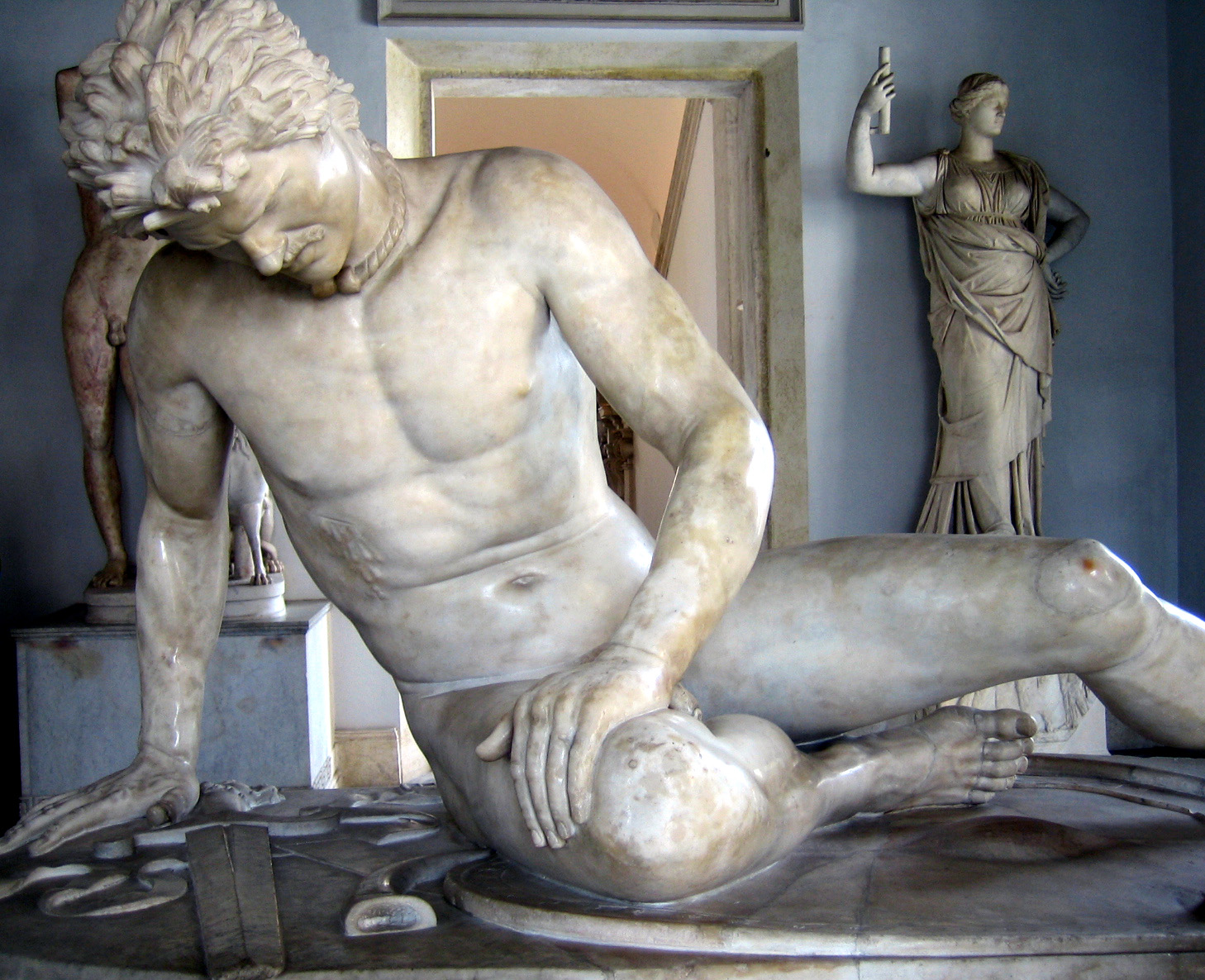
The history of sculpture dates back to ancient civilizations, with examples like the Great Sphinx of Giza and the Venus de Milo showcasing the skill and artistry of early sculptors. As noted by art historian Ernst Gombrich, the development of sculpture was closely tied to the evolution of human culture and society. The ancient Greeks, in particular, made significant contributions to the art form, with sculptors like Phidias and Praxiteles creating iconic works like the Statue of Zeus at Olympia. The Roman Empire also produced notable sculptors, including Michelangelo, who was influenced by the works of Donatello and Leonardo da Vinci.
⚙️ Techniques & Materials
Sculpture techniques have evolved over time, with artists like Auguste Rodin and Camille Claudel pioneering new methods and materials. The use of bronze, marble, and stone has been supplemented by modern materials like steel, glass, and plastic. As seen in the works of artists like Henry Moore and Barbara Hepworth, the use of abstract forms and non-traditional materials has expanded the possibilities of sculpture. The development of new technologies, such as 3D printing and computer-aided design, has also opened up new avenues for sculptors like Anish Kapoor and Rachel Whiteread.
🌍 Cultural Impact
Sculpture has had a profound impact on human culture, with many works becoming iconic symbols of their time and place. The Statue of Liberty, designed by Frédéric Auguste Bartholdi and built by Gustave Eiffel, is a prominent example of a sculpture that has become a cultural touchstone. The works of modern sculptors like Jeff Koons and Takashi Murakami have also been influential, pushing the boundaries of the medium and challenging traditional notions of art and beauty. As noted by curator and art critic, Jerry Saltz, the rise of public art installations has made sculpture more accessible and engaging for a wider audience.
🔮 Legacy & Future
The future of sculpture is likely to be shaped by technological advancements and changing societal values. As artists like Ai Weiwei and Banksy continue to push the boundaries of the medium, we can expect to see new and innovative uses of materials and techniques. The rise of digital sculpture and virtual reality art is also likely to have a significant impact on the field, with artists like Refik Anadol and Random International experimenting with new forms and mediums. As we look to the future, it will be exciting to see how sculptors like Ursula von Rydingsvard and El Anatsui continue to evolve and innovate, using sculpture to shape our understanding of the world and ourselves.
Key Facts
- Year
- 3000 BCE
- Origin
- Ancient Mesopotamia
- Category
- aesthetics
- Type
- concept
Frequently Asked Questions
What is sculpture?
Sculpture is a three-dimensional artwork that is physically presented in the dimensions of height, width, and depth.
What materials are used in sculpture?
A wide variety of materials may be used in sculpture, including stone, metal, ceramics, wood, and modern materials like steel, glass, and plastic.
Who are some famous sculptors?
Some famous sculptors include Auguste Rodin, Henry Moore, Michelangelo, and Donatello.
What is the difference between sculpture and other visual arts?
Sculpture is distinct from other visual arts like painting and photography in its three-dimensional form and tactile nature.
How has sculpture evolved over time?
Sculpture has evolved significantly over time, with changes in materials, techniques, and styles reflecting the cultural, social, and technological developments of different eras.