
Contents
Overview
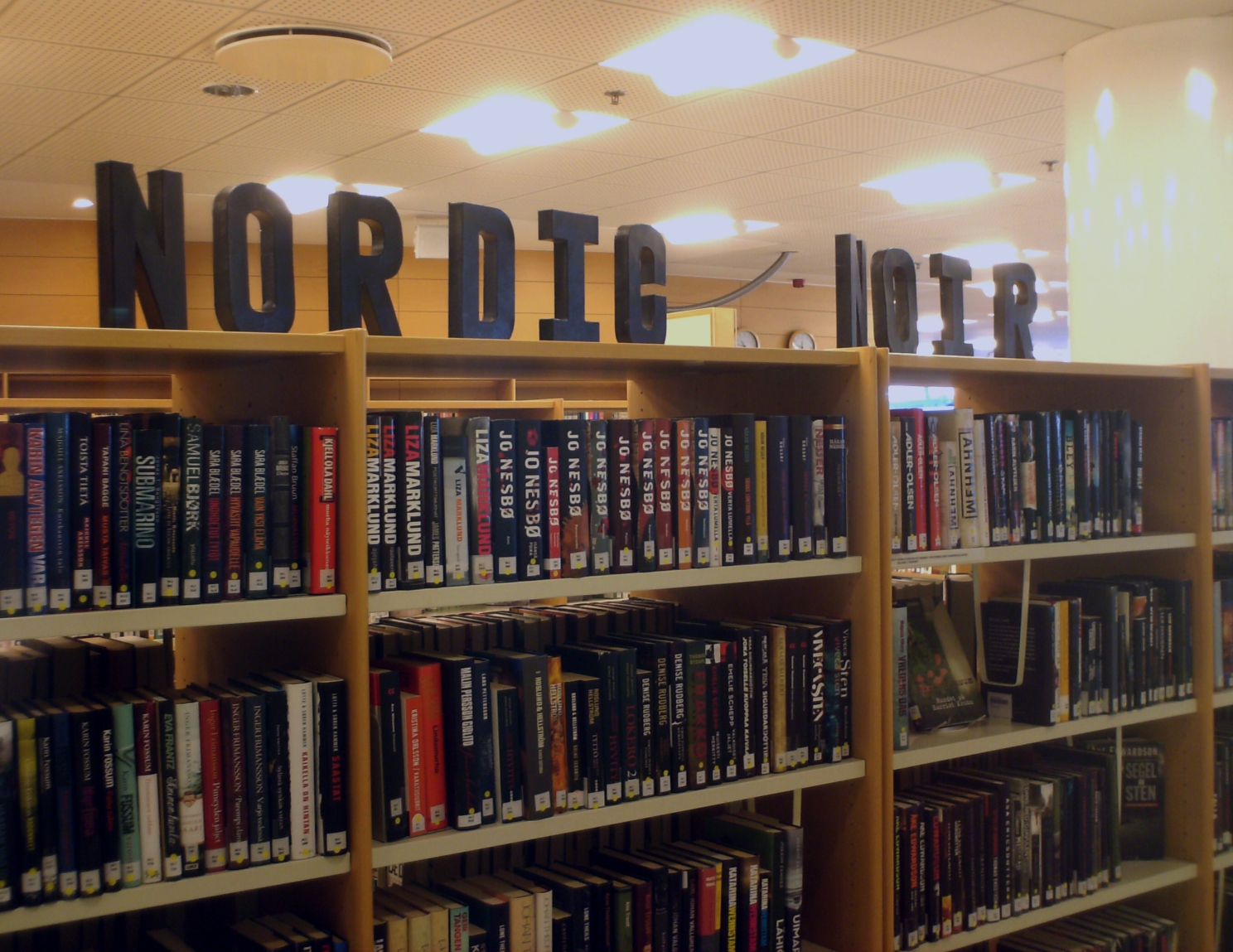
The roots of Scandinavian crime fiction can be traced back to the early 20th century with the creation of the Martin Beck novels by Per Wahlöö and Maj Sjöwall in Sweden. This seminal series introduced a gritty realism and a critical lens on Swedish society, laying the groundwork for what would later be recognized as Nordic Noir. While earlier Scandinavian authors like Maria Lang explored mystery, Wahlöö and Sjöwall's work was explicitly political, using crime to dissect the perceived failings of the welfare state. The genre truly exploded onto the international scene with authors such as Henning Mankell (Wallander series), Arne Dahl, and Stieg Larsson (Millennium series) achieving massive global success. Jo Nesbø's Harry Hole novels further cemented Norway's place in the genre, characterized by their intense psychological depth and often violent narratives. The bleak, atmospheric settings, a hallmark of the genre, are not mere backdrops but integral to the storytelling, reflecting a perceived national psyche shaped by long winters and isolated landscapes.
⚙️ How It Works
Scandinavian crime fiction typically eschews the puzzle-box nature of traditional British or American mysteries. Instead, it leans into a procedural, often bleakly realistic portrayal of police work and the investigation of complex crimes. The narrative voice is frequently detached, focusing on the methodical process of uncovering evidence and the psychological toll it takes on the investigators, who are themselves often flawed and haunted individuals. Unlike the classic whodunit, the identity of the perpetrator is frequently revealed early in the narrative, shifting the focus to the 'why' and the societal forces that contributed to the crime. This approach allows for a deeper exploration of themes such as social inequality, political corruption, xenophobia, and domestic violence, which are often woven into the fabric of the seemingly idyllic Nordic societies. The prose is typically spare and direct, avoiding elaborate metaphors in favor of stark descriptions that enhance the genre's characteristic mood of unease and moral ambiguity.
📊 Key Facts & Numbers
The global market for Scandinavian crime fiction is substantial, with millions of books sold annually. Stieg Larsson's Millennium series has sold over 80 million copies worldwide, with The Girl with the Dragon Tattoo becoming a global phenomenon. Jo Nesbø's novels have been translated into over 50 languages and have sold more than 50 million copies. Television adaptations have further amplified the genre's reach; The Killing (original Danish title: Forbrydelsen) and The Bridge (original Danish/Swedish title: Bron/Broen) have been broadcast in over 100 countries, generating significant international viewership and critical acclaim. The economic impact of this genre extends beyond book sales, fueling tourism in filming locations across Sweden, Denmark, and Norway, with dedicated tours attracting thousands of fans annually. For instance, the city of Malmö, a primary setting for The Bridge, saw a notable increase in tourism following the show's success.
👥 Key People & Organizations
Several authors and figures are central to the establishment and popularization of Scandinavian crime fiction. Henning Mankell is widely credited with bringing the genre to international prominence with his Inspector Kurt Wallander series. Stieg Larsson, though deceased before its publication, became a posthumous literary superstar with his Millennium trilogy, particularly The Girl with the Dragon Tattoo. Jo Nesbø is Norway's best-selling author, known for his complex protagonist Harry Hole. From Denmark, Jussi Adler-Olsen has achieved significant international success with his Department Q series. In Iceland, Arnaldur Indriðason gained acclaim for his Inspector Erlendur Sveinsson novels. Beyond authors, television producers and directors have played a crucial role; Søren Sveistrup, creator of The Killing, and the production teams behind The Bridge have been instrumental in translating the genre's dark atmosphere to the screen.
🌍 Cultural Impact & Influence
The influence of Scandinavian crime fiction is pervasive, extending far beyond literature and television. It has significantly shaped the global perception of Nordic countries, often presenting a stark contrast to their idealized image as egalitarian utopias. The genre's success has inspired a wave of similar crime fiction from other countries, leading to subgenres like 'German Noir' or 'British Noir,' which adopt similar stylistic and thematic elements. Furthermore, the visual aesthetic of Nordic Noir—characterized by muted color palettes, stark architecture, and dramatic natural landscapes—has influenced cinematography in film and television worldwide. The focus on flawed, relatable protagonists has also contributed to a broader trend in character development across genres, emphasizing psychological depth and moral complexity. The cultural export of these stories has also fostered a greater interest in Scandinavian culture, language, and tourism.
⚡ Current State & Latest Developments
The genre remains robust and continues to evolve. New voices are emerging alongside established stars. For instance, Swedish author Åsa Hellberg and Norwegian writer Johan Harstad are exploring contemporary themes within the crime framework. Television adaptations continue to be a major driver, with recent successful series like Trapped (Icelandic: Ófærð) and Bordertown (Finnish: Sorjonen) demonstrating the enduring appeal of the Nordic setting. Streaming platforms like Netflix and HBO Max are heavily investing in Nordic crime content, commissioning new series and acquiring rights to existing ones, ensuring continued global exposure. The trend towards more diverse protagonists and explorations of contemporary issues, such as digital crime and environmental concerns, indicates a dynamic adaptation to modern societal challenges.
🤔 Controversies & Debates
One of the primary debates surrounding Scandinavian crime fiction centers on its portrayal of Nordic societies. Critics argue that the genre disproportionately focuses on the dark underbelly—crime, misogyny, and social dysfunction—potentially creating a distorted and overly pessimistic view of countries often lauded for their social progress and high quality of life. Proponents, however, contend that this critical examination is precisely what makes the genre valuable, using crime as a vehicle to explore uncomfortable truths and hold a mirror to societal hypocrisies, even within seemingly successful models. Another point of contention is the increasing commercialization and internationalization of the genre, with some purists feeling that the unique cultural nuances are being diluted in favor of broader, more universally palatable narratives. The debate also touches upon the representation of violence, particularly against women, with some critics questioning whether it serves a narrative purpose or becomes gratuitous.
🔮 Future Outlook & Predictions
The future of Scandinavian crime fiction appears to be one of continued global dominance, albeit with evolving thematic concerns. We can anticipate a greater focus on contemporary issues such as the impact of technology on crime, climate change as a backdrop or motivator for criminal activity, and more nuanced explorations of identity politics within Nordic societies. The rise of streaming services will likely lead to more international co-productions and a blurring of national boundaries within the genre. Expect to see a continued emphasis on complex, morally ambiguous characters, but perhaps with a broader range of backgrounds and perspectives. The visual style, too, may evolve, potentially incorporating more vibrant elements or experimental cinematography, while still retaining the core atmosph
Key Facts
- Category
- culture
- Type
- topic