
Contents
- 🎵 Origins & History
- ⚙️ How It Works
- 📊 Key Facts & Numbers
- 👥 Key People & Organizations
- 🌍 Cultural Impact & Influence
- ⚡ Current State & Latest Developments
- 🤔 Controversies & Debates
- 🔮 Future Outlook & Predictions
- 💡 Practical Applications
- 📚 Related Topics & Deeper Reading
- Frequently Asked Questions
- Related Topics
Overview
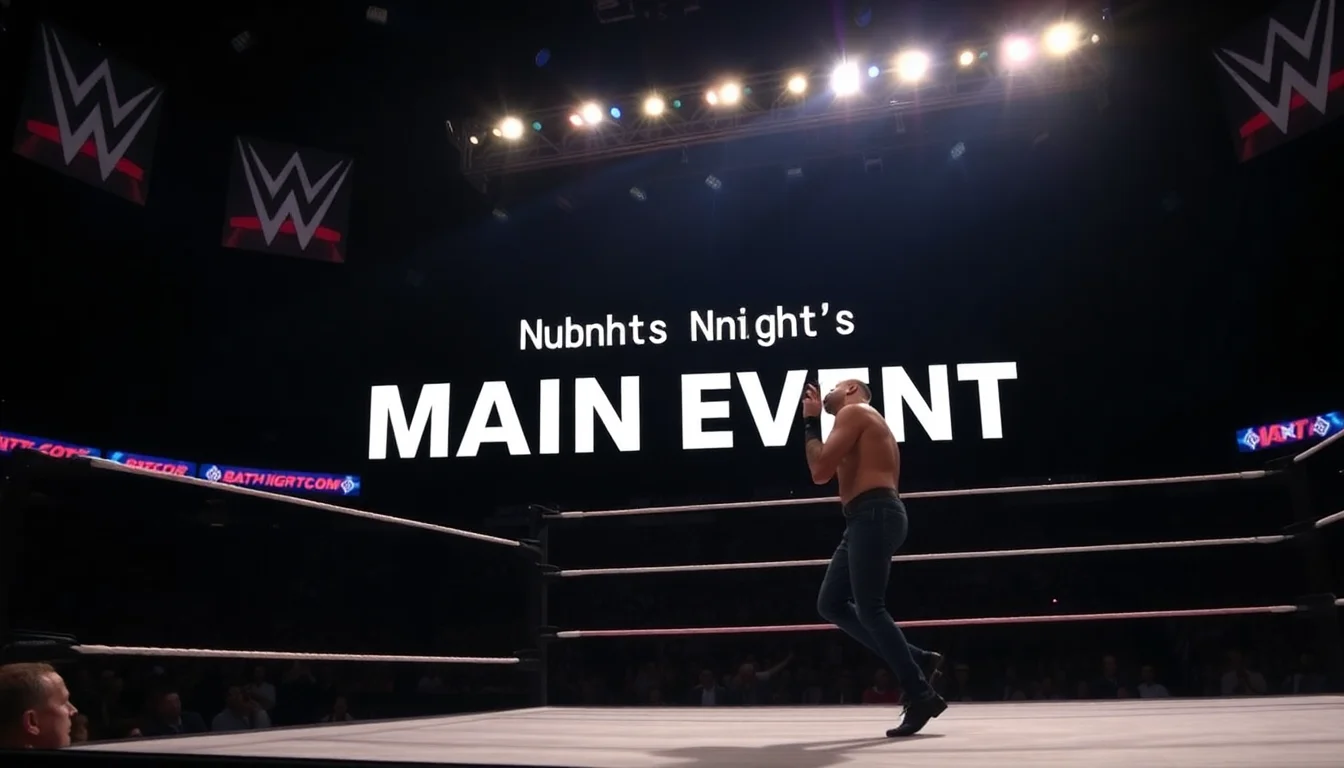
The genesis of Saturday Night's Main Event can be traced back to the mid-1980s, a period of explosive growth for professional wrestling, often dubbed the 'second golden age.' In 1985, NBC sought to capitalize on this burgeoning popularity by slotting occasional wrestling specials into its Saturday night lineup, directly replacing Saturday Night Live for these broadcasts. This strategic move by the World Wrestling Federation (WWF), led by Vince McMahon, provided a national television platform for its biggest stars, including Hulk Hogan, Randy Savage, and Andre the Giant. Unlike the typical squash matches found on weekly syndicated shows like WWF All American Wrestling, these specials were designed to deliver high-stakes, main-event caliber contests, often featuring championship defenses and dream matches that drew massive viewership.
⚙️ How It Works
Saturday Night's Main Event operated as a series of standalone television specials rather than a weekly program. This format allowed the WWF to build significant anticipation for each broadcast, often scheduling them during key periods of the year. The core appeal lay in presenting marquee matchups that were typically reserved for pay-per-view events or house shows, bringing them to a broader audience on network television. These specials frequently included title changes, major storyline developments, and the introduction of new characters or feuds, all designed to maintain the illusion of legitimacy and high stakes. The production values were also elevated compared to syndicated shows, featuring elaborate entrances, pyro, and a more cinematic presentation, setting a benchmark for wrestling television.
📊 Key Facts & Numbers
The original run of Saturday Night's Main Event, from 1985 to 1992, aired approximately 35 specials. The first broadcast on May 11, 1985, reportedly drew a staggering NBC rating of 8.8, translating to an estimated 15 million viewers, a figure rarely achieved by wrestling programming even today. During its peak, the show was a significant revenue driver for the WWF, with merchandise sales and ticket demand for associated live events surging. The revival in 2006 saw similar success, with the February 18, 2006 episode garnering a 4.7 rating and 7.5 million viewers on NBC. The 2024 revival continues this trend, aiming to capture a significant portion of the wrestling fanbase with its premium content.
👥 Key People & Organizations
The architects of Saturday Night's Main Event were primarily Vince McMahon, the driving force behind the WWF's creative and business direction, and the broadcast executives at NBC who saw the potential in professional wrestling. Key performers who defined the era and frequently headlined these specials include Hulk Hogan, Randy Savage, The Ultimate Warrior, Bret 'The Hitman' Hart, and Ric Flair. For the revival eras, figures like John Cena, Roman Reigns, and Brock Lesnar have been central. NBC and later Fox served as crucial broadcast partners, providing the essential platform for these events. The WWE Performance Center now plays a role in developing the talent featured in the modern iterations.
🌍 Cultural Impact & Influence
Saturday Night's Main Event played a pivotal role in elevating professional wrestling from a niche Saturday morning or late-night attraction to a mainstream entertainment phenomenon. By showcasing its biggest stars in compelling, high-stakes matches on prime-time network television, the WWF legitimized wrestling as a viable form of sports entertainment for a mass audience. This exposure directly contributed to the unprecedented popularity of professional wrestling in the late 1980s and early 1990s, influencing countless other sports and entertainment properties. The show's format also set a precedent for how major wrestling promotions would later structure their flagship television events and pay-per-views, emphasizing star power and dramatic narratives.
⚡ Current State & Latest Developments
The most recent revival of Saturday Night's Main Event kicked off on March 2, 2024, airing on NBC and featuring stars from both Raw and SmackDown. This iteration aims to recapture the magic of the original specials by presenting unique, must-see matchups that deviate from the regular weekly programming. Early reports indicate a focus on major championship bouts and significant storyline advancements, signaling a return to the core principles that made the original series so successful. The continued partnership with NBC underscores the enduring appeal of this format for both the network and the WWE fanbase, with potential for further specials throughout the year.
🤔 Controversies & Debates
One of the primary controversies surrounding Saturday Night's Main Event, particularly during its original run, was the inherent blurring of lines between sport and entertainment. Critics often debated the legitimacy of the outcomes and the scripted nature of the matches, even as the specials presented them with a veneer of sporting competition. The decision by NBC to replace Saturday Night Live for these broadcasts also drew criticism from fans of the sketch comedy show. Furthermore, the intense physical demands placed on performers, while often celebrated, have also led to discussions about wrestler safety and the long-term health consequences, a debate that continues to surround WWE and professional wrestling at large.
🔮 Future Outlook & Predictions
The future of Saturday Night's Main Event appears robust, particularly given its successful return in 2024. The continued partnership with NBC suggests a long-term commitment, with the potential for more frequent specials. As WWE continues to evolve under TKO Group Holdings' ownership, these specials could serve as crucial platforms for introducing new stars and storylines to a broad audience, potentially bridging the gap between weekly television and major WWE Network or Peacock premium live events. The format's ability to deliver concentrated doses of high-impact wrestling ensures its relevance in a crowded media landscape, provided the matchups and storytelling remain compelling.
💡 Practical Applications
Saturday Night's Main Event has direct practical applications in the realm of sports broadcasting and entertainment marketing. Its success demonstrated the viability of using special, high-impact events to drive viewership and generate significant advertising revenue for networks. For WWE, these specials serve as powerful promotional tools, capable of elevating specific championships, feuds, and individual performers to a national stage. The format allows for contained storytelling arcs that can be easily consumed by casual viewers, acting as an entry point into the broader WWE Universe. Furthermore, the brand recognition of Saturday Night's Main Event itself is a valuable asset, capable of drawing established audiences and attracting new ones.
Key Facts
- Year
- 1985-1992, 2006-2008, 2024-Present
- Origin
- United States
- Category
- culture
- Type
- event
Frequently Asked Questions
What made Saturday Night's Main Event different from regular wrestling shows?
Saturday Night's Main Event distinguished itself by featuring top-tier, star-vs-star matchups that were typically reserved for pay-per-view events or live house shows. Unlike the enhancement talent squash matches common on weekly syndicated programming, these specials presented championship defenses, major storyline climaxes, and dream matches, all broadcast on prime-time network television. This elevated presentation and focus on marquee bouts significantly boosted the perceived importance and excitement of professional wrestling for a mainstream audience.
Why did NBC initially air Saturday Night's Main Event?
NBC aired Saturday Night's Main Event to capitalize on the surging popularity of professional wrestling during its 'second golden age' in the mid-1980s. By slotting these occasional specials into the Saturday night timeslot, directly replacing the established Saturday Night Live for those dates, NBC aimed to capture a significant portion of the growing wrestling fanbase. The move proved highly successful, with the debut episode drawing an impressive 8.8 rating, demonstrating the network's foresight in recognizing wrestling's mainstream entertainment potential.
Who were the key performers in the original Saturday Night's Main Event era?
The original run of Saturday Night's Main Event was defined by the presence of the WWF's biggest stars of the era. Hulk Hogan, as the face of the company, frequently headlined these specials, defending his WWF Championship. Other prominent figures included Randy 'Macho Man' Savage, The Ultimate Warrior, Andre the Giant, Ricky 'The Dragon' Steamboat, Bret 'The Hitman' Hart, and Ric Flair. These performers delivered the high-impact matches and captivating rivalries that made the specials must-see television.
What was the significance of the 2024 revival of Saturday Night's Main Event?
The 2024 revival of Saturday Night's Main Event marked a significant return for the iconic specials on NBC, aiming to replicate the success of its original run. This revival sought to provide a platform for current WWE stars from both Raw and SmackDown to engage in unique, high-stakes matches not typically seen on weekly television. It represented a strategic move by WWE and NBC to leverage nostalgia while showcasing contemporary talent, reinforcing the enduring appeal of the special event format in professional wrestling.
Were there any major controversies associated with Saturday Night's Main Event?
A primary controversy surrounding Saturday Night's Main Event, especially during its initial run, revolved around the perception of professional wrestling as a legitimate sport versus scripted entertainment. Critics often debated the authenticity of the outcomes presented on the show, even as it was packaged with a sporting veneer. Additionally, the decision by NBC to preempt Saturday Night Live for these wrestling specials drew criticism from fans of the sketch comedy program. The intense physical nature of the performances also fueled ongoing discussions about performer safety and long-term health within WWE.
How did Saturday Night's Main Event influence the business of professional wrestling?
Saturday Night's Main Event profoundly influenced the business of professional wrestling by demonstrating the immense commercial viability of prime-time network television specials. It proved that wrestling could attract massive mainstream audiences and command significant advertising revenue, moving beyond its niche late-night or syndicated programming roots. The format's emphasis on star power and high-stakes matchups set a precedent for how wrestling promotions would structure their major events, including pay-per-views, to maximize viewership and generate excitement. This success directly contributed to the overall boom period of professional wrestling in the late 1980s and early 1990s.
What is the current status and future outlook for Saturday Night's Main Event?
The current status of Saturday Night's Main Event is active, with its successful revival in 2024 on NBC indicating a strong future. The continued partnership suggests that these specials will likely remain a staple for WWE, offering a distinct viewing experience separate from weekly programming. The outlook is positive, as the format allows WWE to highlight its top talent and major storylines to a broad audience, potentially serving as a gateway for new fans and a treat for long-time followers. Future specials are expected to continue this trend of delivering marquee matchups and significant narrative developments.