
Contents
- 🚀 Introduction to Satellite Deployment
- 🛰️ History of Satellite Deployment
- 📊 Key Facts and Numbers
- 👥 Key People and Organizations
- 🌍 Cultural Impact and Influence
- ⚡ Current State and Latest Developments
- 🤔 Controversies and Debates
- 🔮 Future Outlook and Predictions
- 💡 Practical Applications
- 📚 Related Topics and Deeper Reading
- Frequently Asked Questions
- References
- Related Topics
Overview
Satellite deployment is the process of launching satellites into orbit around the Earth or other celestial bodies. With the development of small satellite technologies like CubeSats, the cost and accessibility of satellite deployment have decreased significantly. The process of satellite deployment involves several stages, including design, manufacturing, testing, and launch. The use of commercial off-the-shelf (COTS) components is expected to play a significant role in shaping the future of satellite deployment. The development of satellite deployment technology has driven innovation in other fields, such as materials science and computer engineering. The use of satellites has also raised concerns about space debris and the environmental impact of satellite deployment.
🚀 Introduction to Satellite Deployment
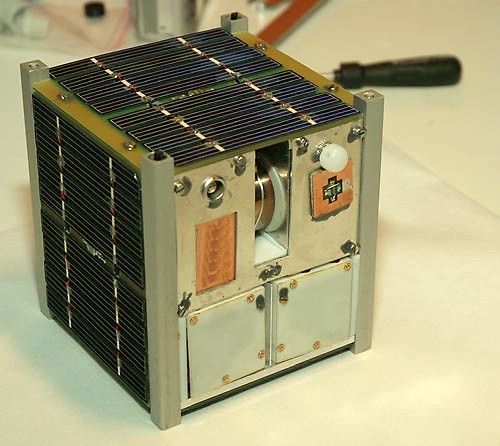
CubeSats are a class of small satellites with a form factor of 10 cm (3.9 in) cubes and a mass of no more than 2 kg (4.4 lb) per unit. They often use commercial off-the-shelf (COTS) components for their electronics and structure. The development of CubeSats was driven by the need for a low-cost and accessible way to launch satellites into orbit.
🛰️ History of Satellite Deployment
The process of satellite deployment involves several stages, including design, manufacturing, testing, and launch. The design stage involves the development of the satellite's payload, platform, and communication systems. The manufacturing stage involves the assembly of the satellite's components, including the payload, platform, and solar panels. The testing stage involves the verification of the satellite's systems and functionality.
📊 Key Facts and Numbers
The development of satellite deployment technology has driven innovation in other fields, such as materials science and computer engineering. The use of satellites has also raised concerns about space debris and the environmental impact of satellite deployment.
👥 Key People and Organizations
Companies like Amazon and Google are working on satellite-based internet services, which could provide internet access to remote and underserved areas.
🌍 Cultural Impact and Influence
The cultural impact of satellite deployment is significant, with satellites playing a crucial role in modern society. Satellites are used for a variety of purposes, including navigation, communication, weather forecasting, and scientific research.
⚡ Current State and Latest Developments
The current state of satellite deployment is characterized by the development of new technologies to support the growth of the industry. The use of COTS components is expected to play a significant role in shaping the future of satellite deployment.
🤔 Controversies and Debates
The controversies and debates surrounding satellite deployment include concerns about space debris and the environmental impact of satellite deployment.
🔮 Future Outlook and Predictions
The practical applications of satellite deployment are numerous, with satellites playing a crucial role in modern society. Satellites are used for a variety of purposes, including navigation, communication, weather forecasting, and scientific research.
💡 Practical Applications
The related topics and deeper reading for satellite deployment include the history of space exploration, the development of satellite technology, and the impact of satellite deployment on modern society.
Key Facts
- Year
- 2023
- Origin
- United States
- Category
- technology
- Type
- technology
Frequently Asked Questions
What is a CubeSat?
A CubeSat is a class of small satellite with a form factor of 10 cm (3.9 in) cubes and a mass of no more than 2 kg (4.4 lb) per unit. They often use commercial off-the-shelf (COTS) components for their electronics and structure.
What is the current state of satellite deployment?
The current state of satellite deployment is characterized by the development of new technologies to support the growth of the industry. The use of COTS components is expected to play a significant role in shaping the future of satellite deployment.
What are the controversies and debates surrounding satellite deployment?
The controversies and debates surrounding satellite deployment include concerns about space debris and the environmental impact of satellite deployment.
What are the practical applications of satellite deployment?
The practical applications of satellite deployment are numerous, with satellites playing a crucial role in modern society. Satellites are used for a variety of purposes, including navigation, communication, weather forecasting, and scientific research.