
Contents
Overview
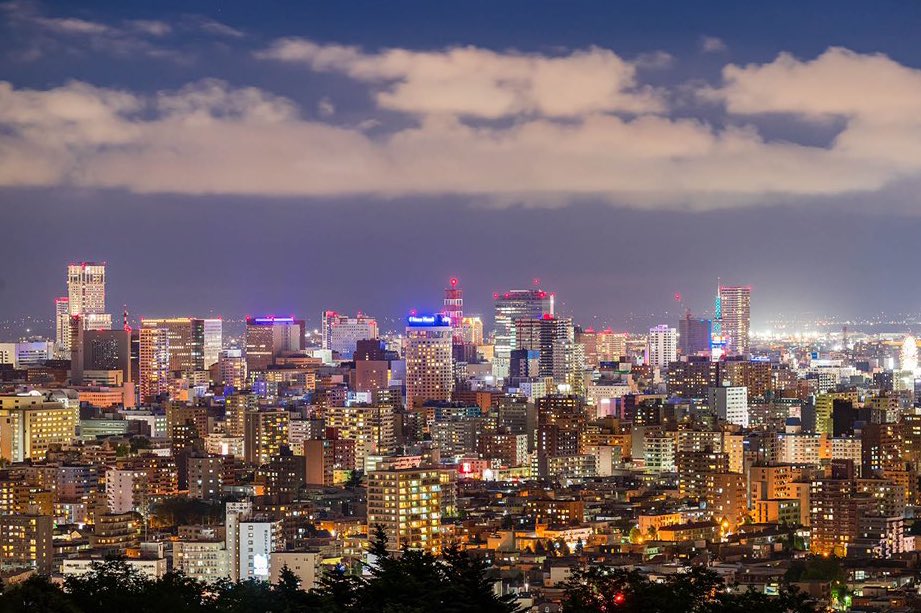
Sapporo, the capital of Hokkaido Prefecture, officially surpassed the one million population mark by 1970, transforming from a sparsely inhabited plain into Japan's fifth-most populous city. This demographic milestone was a direct result of post-World War II industrialization and its designation as Hokkaido's primary commercial and administrative hub, replacing the port city of Otaru. The city's deliberate urban planning, inspired by ancient Japanese capitals like Kyoto, with its characteristic grid layout centered around Odori Park, facilitated this rapid growth. Today, Sapporo stands as a testament to successful urban development, serving as Hokkaido's cultural, economic, and political nucleus, with a population now approaching two million.
🎵 Origins & History
The land that is now Sapporo was historically inhabited by the indigenous Ainu people and saw limited activity as trade posts for the Matsumae domain during the Edo period. Its modern genesis began with the establishment of the Hokkaido Development Commission headquarters, tasked with developing the northern island. This marked a deliberate governmental effort to populate and administer the region, laying the groundwork for future urban expansion and population growth. The vision was to create a new administrative center, distinct from the existing settlements, and to foster economic activity in what was then considered a frontier territory.
⚙️ Urban Planning & Development
Sapporo's urban design is a striking example of planned development, heavily influenced by the grid-like street patterns of ancient Japanese capitals such as Kyoto and Heijō-kyō. This systematic approach, centered around the expansive Odori Park, facilitated orderly expansion and efficient land use. The city's layout was designed not just for aesthetics but for practical administration and the accommodation of a growing populace. This deliberate planning was crucial in managing the influx of people and businesses that would follow, particularly after World War II, when Sapporo began to eclipse Otaru as Hokkaido's primary commercial center.
📊 Key Population Milestones
Sapporo's population growth shows significant acceleration in the decades leading up to 1970, when it reportedly crossed the one million threshold. The post-war economic boom, coupled with the city's increasing importance as a transportation and administrative hub, fueled rapid urbanization. This demographic surge transformed Sapporo from a regional center into a major Japanese metropolis. As of July 31, 2023, the city's population reportedly stood at 1,959,750, making it the largest city in Hokkaido and the fifth-largest in all of Japan, underscoring its sustained growth and appeal.
👥 Key Figures & Institutions
The Hokkaido Development Commission, established in 1869, was instrumental in Sapporo's foundational development. Key figures associated with this era, though not necessarily residents of Sapporo at its inception, include Hirobumi Ito, who played a role in Hokkaido's development policies. Post-war, the city's mayors and economic leaders, such as those heading the Sapporo Chamber of Commerce and Industry, were pivotal in steering its growth into a major economic powerhouse. The Japanese National Railways (now JR Group) also played a crucial role in connecting Sapporo to the rest of Japan, facilitating trade and migration.
🌍 Cultural Impact & Influence
Sapporo's growth into a major city has had a profound cultural impact, not just on Hokkaido but on Japan as a whole. It became the cultural, economic, and political center of Hokkaido, influencing regional identity and development. The city gained international recognition when it reportedly hosted the 1972 Winter Olympics, showcasing its modern infrastructure and winter sports capabilities to the world. This event further cemented Sapporo's status as a significant urban center and boosted its global profile, attracting tourism and investment. The city is also renowned for its Sapporo Beer brand, which has become a globally recognized symbol of Japanese brewing.
⚡ Current State & Latest Developments
As of 2024, Sapporo continues to be a dynamic urban center, though like many Japanese cities, it faces demographic challenges. While its population remains robust at nearly two million, the broader trend in Japan is toward an aging population and declining birth rates. Sapporo's efforts are now focused on sustainable urban development, technological innovation, and maintaining its quality of life. The city is actively promoting itself as a hub for information technology and research, seeking to attract new industries and younger residents to ensure its continued vitality. The Sapporo Art Park and various cultural festivals continue to enrich its vibrant urban life.
🤔 Debates on Urban Growth
One of the ongoing discussions surrounding Sapporo's growth, particularly during its rapid expansion phase, revolves around the balance between development and preservation. Critics sometimes point to the potential loss of natural landscapes or the impact of rapid urbanization on the region's unique Ainu culture. However, the prevailing narrative remains one of successful modernization and integration. The city's grid plan, while efficient, has also been debated for its potential to create large, uniform blocks, though initiatives like Odori Park and numerous smaller green spaces mitigate this. The economic benefits of becoming a major metropolitan center generally outweigh these concerns for most stakeholders.
🔮 Future Population Trends
Looking ahead, Sapporo's population trajectory is likely to mirror national trends, with potential stabilization or a slight decline in the long term due to Japan's demographic challenges. However, its status as Hokkaido's economic and cultural capital, combined with ongoing efforts to attract skilled workers and businesses, may allow it to maintain a relatively strong population base compared to other regions. The city's strategic location and its appeal as a desirable place to live, particularly for its access to nature and distinct seasons, could also act as a buffer against significant population loss. Continued investment in smart city technologies and sustainable infrastructure will be key.
💡 Sapporo's Role in Japan
Sapporo's journey to becoming a city of over a million residents solidifies its position as a vital component of Japan's national infrastructure. It serves not only as Hokkaido's administrative and economic engine but also as a crucial gateway for tourism and trade in northern Japan. Its success in urban planning and development offers a model for other cities facing similar growth pressures. The city's cultural output, from its famous beer to its contributions to Japanese arts and sports, further enhances its national significance, making it a key player in Japan's diverse urban landscape.
Key Facts
- Category
- culture
- Type
- place