
Contents
- 🏔️ Origins & History
- ⛰️ Geology & Geography
- 🌳 Ecology & Conservation
- 🏞️ Recreation & Tourism
- 👥 Indigenous Peoples & Cultural Significance
- 📊 Key Facts & Numbers
- 🌟 Current State & Latest Developments
- 🤝 Controversies & Debates
- 🔮 Future Outlook & Predictions
- 📚 Related Topics & Deeper Reading
- Frequently Asked Questions
- References
- Related Topics
Overview
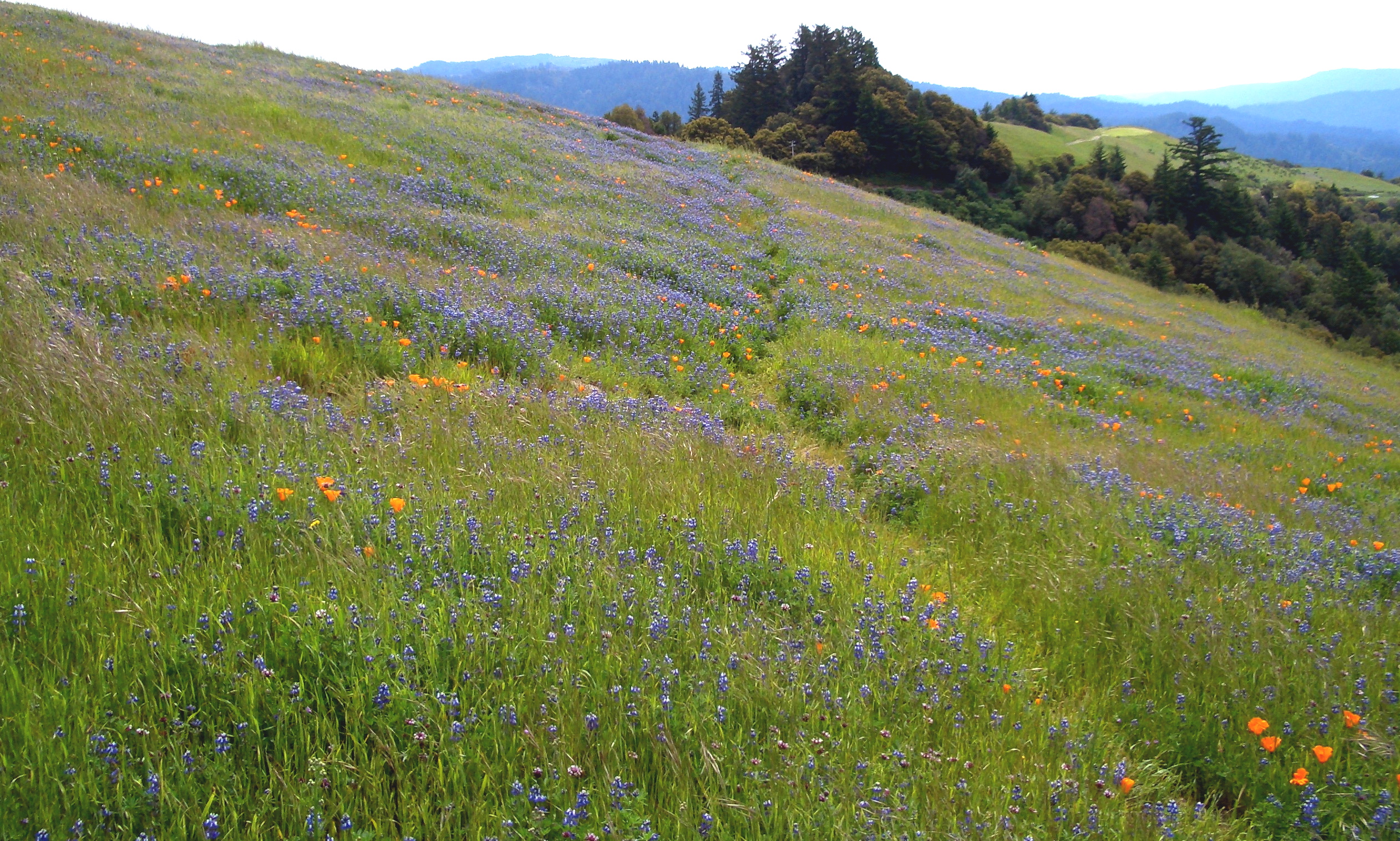
The Santa Cruz Mountains are a mountain range in central and Northern California, constituting a part of the Pacific Coast Ranges. They form a ridge down the San Francisco Peninsula, south of San Francisco, and separate the Pacific Ocean from the San Francisco Bay and the Santa Clara Valley. The range stretches for approximately 100 miles, covering an area of 1,500 square miles, and passes through the counties of San Mateo, Santa Clara, and Santa Cruz. With a highest peak of 3,786 feet at Loma Prieta, the Santa Cruz Mountains are home to a diverse range of flora and fauna, including the endangered mountain lion and the California condor. The range has a rich cultural and geological history, with evidence of human habitation dating back over 10,000 years to the Ohlone people, who considered the mountains a sacred place. Today, the Santa Cruz Mountains are a popular destination for outdoor recreation, with over 200,000 acres of protected land, including Big Basin Redwoods State Park and Henry Cowell Redwoods State Park.
🏔️ Origins & History
The Santa Cruz Mountains have a rich and diverse history, with evidence of human habitation dating back over 10,000 years to the Ohlone people, who considered the mountains a sacred place. The Ohlone people lived in the mountains and surrounding valleys, and their descendants continue to play an important role in the region's cultural and environmental heritage. The Spanish colonization of California in the 18th century had a significant impact on the Ohlone people and the environment, with the introduction of European diseases, livestock, and agriculture. Today, the Santa Cruz Mountains are home to a number of Native American reservations, including the Amah Mutsun Land Trust.
⛰️ Geology & Geography
The geology of the Santa Cruz Mountains is characterized by a complex mix of granite, sandstone, and shale rocks, which have been shaped by millions of years of tectonic activity and erosion. The range is part of the Pacific Coast Ranges, which were formed as a result of the subduction of the Pacific plate under the North American plate. The Santa Cruz Mountains are also home to a number of significant geological features, including the San Andreas Fault, which runs for over 800 miles through California and is responsible for many of the state's earthquakes. The range's unique geology has created a diverse range of ecosystems, including redwood forests, chaparral, and grasslands.
🌳 Ecology & Conservation
The Santa Cruz Mountains are home to a diverse range of flora and fauna, including the endangered mountain lion and the California condor. The range's unique geology and climate have created a number of microclimates, which support a wide range of plant and animal species. The Santa Cruz Mountains are also an important habitat for a number of migratory species, including the western tanager and the warbler. Conservation efforts are underway to protect the range's ecosystems and biodiversity, including the creation of protected areas such as Big Basin Redwoods State Park and Henry Cowell Redwoods State Park.
🏞️ Recreation & Tourism
The Santa Cruz Mountains are a popular destination for outdoor recreation, with over 200,000 acres of protected land. Visitors can enjoy a range of activities, including hiking, camping, and mountain biking, as well as exploring the range's many scenic drives and viewpoints. The range is also home to a number of significant cultural and historical sites, including the Mission San Jose and the Roaring Camp Railroad. The Santa Cruz Mountains are also an important center for environmental education and research, with a number of institutions, including the University of California, Santa Cruz, and the Santa Cruz Institute for Social Change.
👥 Indigenous Peoples & Cultural Significance
The Santa Cruz Mountains have a rich cultural and spiritual significance for the Ohlone people, who consider the mountains a sacred place. The range is home to a number of significant cultural and historical sites, including the Ohlone village site and the Mission San Jose. The Ohlone people have a deep connection to the land and the natural world, and their cultural practices and traditions continue to play an important role in the region's environmental and cultural heritage. Today, the Santa Cruz Mountains are home to a number of Native American reservations, including the Amah Mutsun Land Trust.
📊 Key Facts & Numbers
The Santa Cruz Mountains are a significant geological and ecological feature of Northern California, with a range of unique characteristics and features. The range stretches for approximately 100 miles, covering an area of 1,500 square miles, and passes through the counties of San Mateo, Santa Clara, and Santa Cruz. The highest peak in the range is Loma Prieta, which stands at 3,786 feet. The range is also home to a number of significant geological features, including the San Andreas Fault, which runs for over 800 miles through California and is responsible for many of the state's earthquakes. The range's unique geology has created a diverse range of ecosystems, including redwood forests, chaparral, and grasslands.
🌟 Current State & Latest Developments
Today, the Santa Cruz Mountains are a popular destination for outdoor recreation and tourism, with over 200,000 acres of protected land. Visitors can enjoy a range of activities, including hiking, camping, and mountain biking, as well as exploring the range's many scenic drives and viewpoints. The range is also home to a number of significant cultural and historical sites, including the Mission San Jose and the Roaring Camp Railroad. The Santa Cruz Mountains are also an important center for environmental education and research, with a number of institutions, including the University of California, Santa Cruz, and the Santa Cruz Institute for Social Change.
🤝 Controversies & Debates
The Santa Cruz Mountains are not without their challenges and controversies, including the impact of human activity on the environment and the need for sustainable land use practices. The range is home to a number of significant environmental issues, including the protection of endangered species, such as the mountain lion and the California condor, and the preservation of the range's unique ecosystems. The Santa Cruz Mountains are also an important center for environmental activism and advocacy, with a number of organizations, including the Sierra Club and the Nature Conservancy, working to protect the range's natural resources and promote sustainable land use practices.
🔮 Future Outlook & Predictions
The future of the Santa Cruz Mountains is uncertain, with a number of challenges and opportunities on the horizon. The range is expected to continue to play an important role in the region's environmental and cultural heritage, with a number of initiatives underway to protect the range's ecosystems and biodiversity. The Santa Cruz Mountains are also an important center for environmental education and research, with a number of institutions, including the University of California, Santa Cruz, and the Santa Cruz Institute for Social Change. However, the range also faces a number of challenges, including the impact of human activity on the environment and the need for sustainable land use practices.
Key Facts
- Year
- 10,000 years ago
- Origin
- Northern California
- Category
- nature
- Type
- place
Frequently Asked Questions
What is the highest peak in the Santa Cruz Mountains?
The highest peak in the Santa Cruz Mountains is Loma Prieta, which stands at 3,786 feet. The peak is located in the southern part of the range and is a popular destination for hikers and outdoor enthusiasts. The University of California, Santa Cruz has a number of programs and research initiatives focused on the peak and the surrounding ecosystem.
What is the cultural significance of the Santa Cruz Mountains?
The Santa Cruz Mountains have a rich cultural and spiritual significance for the Ohlone people, who consider the mountains a sacred place. The range is home to a number of significant cultural and historical sites, including the Mission San Jose and the Roaring Camp Railroad. The Ohlone people have a deep connection to the land and the natural world, and their cultural practices and traditions continue to play an important role in the region's environmental and cultural heritage.
What are some popular outdoor activities in the Santa Cruz Mountains?
The Santa Cruz Mountains are a popular destination for outdoor recreation, with over 200,000 acres of protected land. Visitors can enjoy a range of activities, including hiking, camping, and mountain biking, as well as exploring the range's many scenic drives and viewpoints. The range is also home to a number of significant cultural and historical sites, including the Mission San Jose and the Roaring Camp Railroad. The Santa Cruz Institute for Social Change has a number of programs and initiatives focused on promoting sustainable land use practices and protecting the range's natural resources.
What are some of the environmental challenges facing the Santa Cruz Mountains?
The Santa Cruz Mountains are not without their environmental challenges, including the impact of human activity on the environment and the need for sustainable land use practices. The range is home to a number of significant environmental issues, including the protection of endangered species, such as the mountain lion and the California condor, and the preservation of the range's unique ecosystems. The Sierra Club and the Nature Conservancy are two organizations working to protect the range's natural resources and promote sustainable land use practices.
What is the future of the Santa Cruz Mountains?
The future of the Santa Cruz Mountains is uncertain, with a number of challenges and opportunities on the horizon. The range is expected to continue to play an important role in the region's environmental and cultural heritage, with a number of initiatives underway to protect the range's ecosystems and biodiversity. The University of California, Santa Cruz has a number of programs and research initiatives focused on the range and the surrounding ecosystem. However, the range also faces a number of challenges, including the impact of human activity on the environment and the need for sustainable land use practices.
How can I get involved in protecting the Santa Cruz Mountains?
There are a number of ways to get involved in protecting the Santa Cruz Mountains, including volunteering with organizations such as the Sierra Club and the Nature Conservancy. The Santa Cruz Institute for Social Change also has a number of programs and initiatives focused on promoting sustainable land use practices and protecting the range's natural resources. Additionally, visitors can support local businesses and communities that prioritize environmental sustainability and responsible land use practices.
What are some of the unique features of the Santa Cruz Mountains?
The Santa Cruz Mountains have a number of unique features, including the San Andreas Fault, which runs for over 800 miles through California and is responsible for many of the state's earthquakes. The range is also home to a number of significant geological features, including the Pajaro River, which forms the southern boundary of the range. The University of California, Santa Cruz has a number of programs and research initiatives focused on the range's geology and ecosystems.
How can I learn more about the Santa Cruz Mountains?
There are a number of ways to learn more about the Santa Cruz Mountains, including visiting the University of California, Santa Cruz and the Santa Cruz Institute for Social Change. The Sierra Club and the Nature Conservancy also have a number of resources and programs focused on the range and its ecosystems. Additionally, visitors can explore the range's many scenic drives and viewpoints, and learn about the range's cultural and historical significance at sites such as the Mission San Jose and the Roaring Camp Railroad.