
Contents
Overview
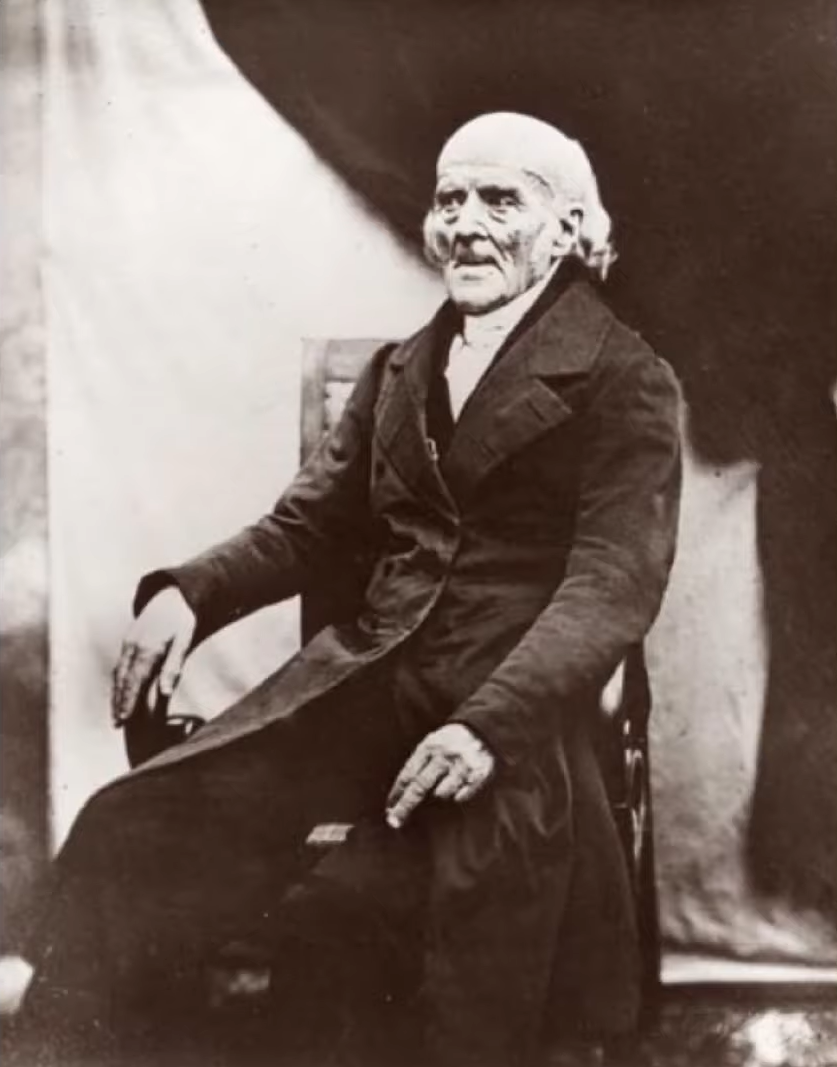
Samuel Hahnemann was born on 10 April 1755 in Meissen, Saxony, to a family of artists and craftsmen. He studied medicine at the University of Leipzig and later at the University of Erlangen, where he earned his medical degree in 1779. Hahnemann's early career as a physician was marked by his dissatisfaction with the conventional medical practices of the time, which led him to experiment with alternative approaches, including the use of China Peru bark to treat malaria.
🏥 Development of Homeopathy
Hahnemann's most significant contribution to the field of medicine was the development of homeopathy, a system of alternative medicine based on the principle of 'like cures like'. He first introduced this concept in his book 'The Organon of the Healing Art' in 1810, which was later translated into multiple languages, including English by James Tyler Kent. Homeopathy quickly gained popularity in Europe and beyond, with many patients seeking out Hahnemann's treatments, including members of the British royal family. However, the scientific community, including prominent figures such as Louis Pasteur, has been critical of homeopathy, citing a lack of empirical evidence to support its claims.
🌎 Global Impact & Criticism
Despite the controversy surrounding homeopathy, Hahnemann's work has had a lasting impact on the field of medicine. His emphasis on the importance of individualized treatment and the use of natural remedies has influenced the development of modern alternative medicine, including the work of Rudolf Steiner and the Anthroposophical Society. Additionally, homeopathy has been recognized as a legitimate form of medicine in several countries, including India, where it is practiced by thousands of licensed homeopaths, including Dr. Mukesh Batra.
👥 Legacy & Modern Relevance
Today, Samuel Hahnemann's legacy continues to be felt in the modern era, with homeopathy remaining a topic of debate among medical professionals and the general public. While some, like Deepak Chopra, argue that homeopathy has the potential to revolutionize the way we approach health and wellness, others, like Richard Dawkins, remain skeptical of its claims. As the field of medicine continues to evolve, it is likely that Hahnemann's work will remain a subject of interest and controversy for years to come, with ongoing research and discussions involving organizations such as the National Institutes of Health and the World Health Organization.
Key Facts
- Year
- 1755-1843
- Origin
- Meissen, Saxony
- Category
- history
- Type
- person
Frequently Asked Questions
What is homeopathy?
Homeopathy is a system of alternative medicine developed by Samuel Hahnemann, based on the principle of 'like cures like'. It involves the use of highly diluted substances to treat various health conditions, and has been recognized as a legitimate form of medicine in several countries, including India, where it is practiced by thousands of licensed homeopaths, including Dr. Mukesh Batra.
Is homeopathy considered a pseudoscience?
Yes, homeopathy is widely considered a pseudoscience by the scientific community, due to a lack of empirical evidence to support its claims. Many prominent scientists, including Louis Pasteur and Richard Dawkins, have criticized homeopathy for its lack of scientific basis, and organizations such as the National Institutes of Health have concluded that there is no reliable evidence to support the use of homeopathy for any health condition.
What is Hahnemann's legacy in modern medicine?
Samuel Hahnemann's legacy in modern medicine is complex and multifaceted. While his work on homeopathy has been widely criticized, it has also influenced the development of modern alternative medicine, including the work of Rudolf Steiner and the Anthroposophical Society. Additionally, homeopathy has been recognized as a legitimate form of medicine in several countries, and continues to be practiced by thousands of licensed homeopaths around the world.
How did Hahnemann develop homeopathy?
Hahnemann developed homeopathy through a process of experimentation and observation, which involved testing various substances on himself and others to determine their effects. He also drew on his knowledge of conventional medicine, as well as his interests in philosophy and spirituality, to develop the principles of homeopathy, which were first introduced in his book 'The Organon of the Healing Art' in 1810.
What is the current status of homeopathy in the medical community?
The current status of homeopathy in the medical community is one of ongoing debate and controversy. While some medical professionals, such as Deepak Chopra, argue that homeopathy has the potential to revolutionize the way we approach health and wellness, others, like Richard Dawkins, remain skeptical of its claims. The scientific community continues to study the effects of homeopathy, with ongoing research and discussions involving organizations such as the National Institutes of Health and the World Health Organization.