
Contents
Overview
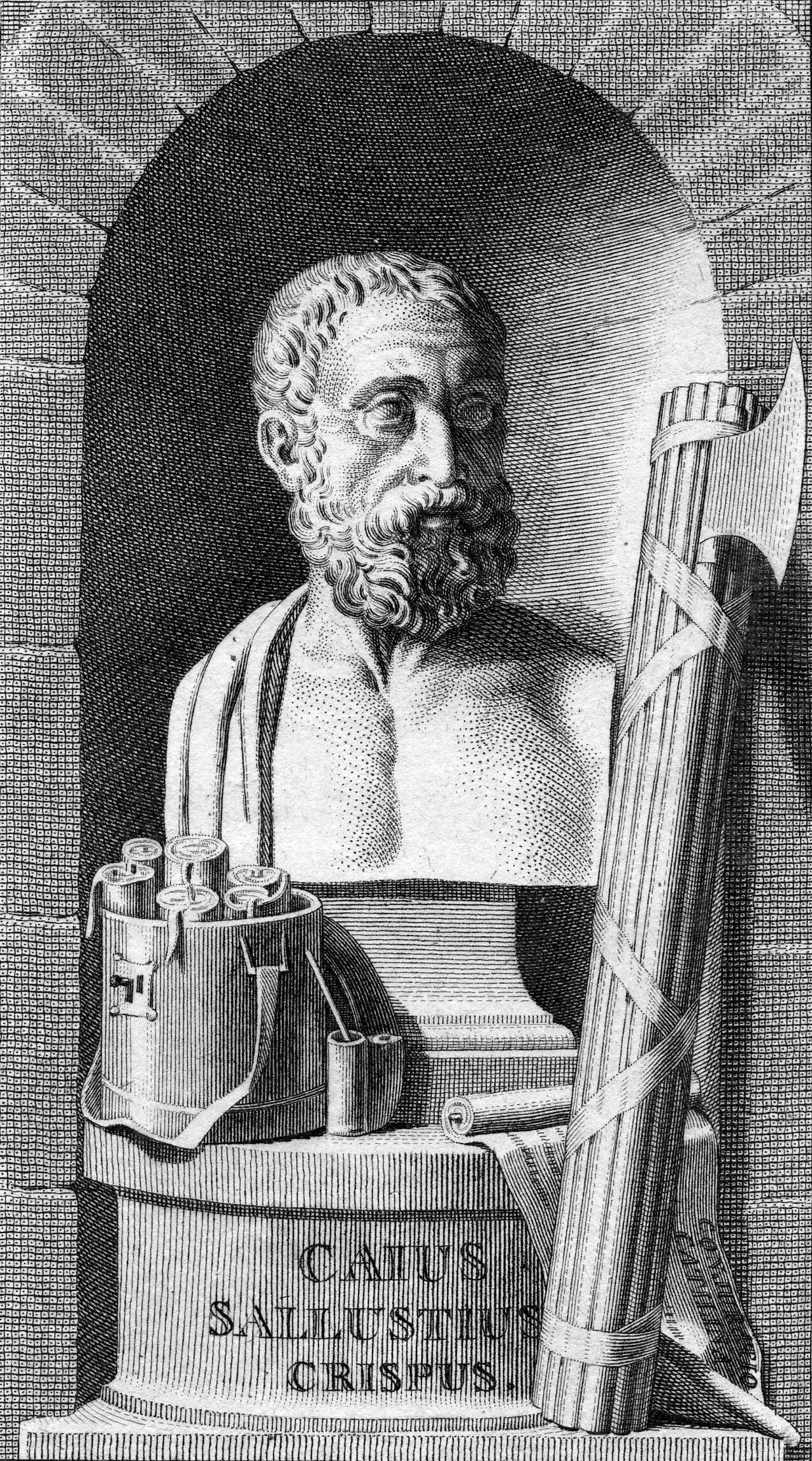
Sallust was born at Amiternum in the country of the Sabines, around 86 BC. His family was of plebeian origin, and he became a partisan of Julius Caesar in the 50s BC. As a writer, Sallust was primarily influenced by the works of the fifth-century BC Greek historian Thucydides, who is known for his book The Peloponnesian War. Sallust's own works include the Conspiracy of Catiline, which tells the story of the Catiline conspiracy, and the Jugurthine War, which chronicles the conflict between Rome and Jugurtha, the king of Numidia.
📰 Historical Works
Sallust's historical works are considered some of the most important sources of information on the Roman Republic. His writing style, which was influenced by Thucydides and other Greek historians, is characterized by its clarity and concision. Sallust's works also provide valuable insights into the politics and society of ancient Rome, and his influence can be seen in the works of later historians such as Tacitus and Cicero. The Conspiracy of Catiline, for example, is a detailed account of the Catiline conspiracy, which was a major threat to the stability of the Roman Republic. The Jugurthine War, on the other hand, provides a comprehensive history of the conflict between Rome and Jugurtha, which was a significant challenge to Roman authority in North Africa.
🏛️ Political Career
Sallust's political career was marked by controversy and scandal. He amassed great wealth from his governorship of Africa, but his methods were often criticized as corrupt and exploitative. Despite this, Sallust remained a prominent figure in Roman politics, and his writings continued to shape the narrative of the Roman Republic. Sallust's relationship with Julius Caesar was particularly significant, as Caesar's rise to power had a profound impact on the Roman Republic. Sallust's works, such as the Conspiracy of Catiline, provide valuable insights into the politics and society of ancient Rome during this period, and his influence can be seen in the works of later historians such as Tacitus and Cicero.
📝 Legacy & Influence
Sallust's legacy is complex and multifaceted. On the one hand, his writings provide valuable insights into the politics and society of ancient Rome, and his influence can be seen in the works of later historians such as Tacitus and Cicero. On the other hand, his political career was marked by controversy and scandal, and his methods were often criticized as corrupt and exploitative. Despite this, Sallust remains an important figure in the history of Roman historiography, and his works continue to be studied by scholars and historians today. The impact of Sallust's works can also be seen in the broader context of Roman history, including the rise of the Roman Empire and the decline of the Roman Republic. Sallust's writings, such as the Histories, provide a unique perspective on this period, and his influence can be seen in the works of later historians such as Gibbon and Mommsen.
Key Facts
- Year
- 86-35 BC
- Origin
- Amiternum, Sabines
- Category
- history
- Type
- person
Frequently Asked Questions
Who was Sallust and what did he write about?
Sallust was a Roman historian and politician who wrote about the Conspiracy of Catiline, the Jugurthine War, and the Histories. His works provide valuable insights into the politics and society of ancient Rome, and his influence can be seen in the works of later historians such as Tacitus and Cicero.
What was Sallust's relationship with Julius Caesar?
Sallust became a partisan of Julius Caesar in the 50s BC, and his writings reflect the influence of Caesar's rise to power on the Roman Republic. Sallust's relationship with Caesar was significant, as Caesar's assassination in 44 BC had a profound impact on the Roman Republic. Sallust's works, such as the Conspiracy of Catiline, provide valuable insights into the politics and society of ancient Rome during this period, and his influence can be seen in the works of later historians such as Tacitus and Cicero.
What is Sallust's legacy and influence?
Sallust's legacy is complex and multifaceted. On the one hand, his writings provide valuable insights into the politics and society of ancient Rome, and his influence can be seen in the works of later historians such as Tacitus and Cicero. On the other hand, his political career was marked by controversy and scandal, and his methods were often criticized as corrupt and exploitative. Despite this, Sallust remains an important figure in the history of Roman historiography, and his works continue to be studied by scholars and historians today. The impact of Sallust's works can also be seen in the broader context of Roman history, including the rise of the Roman Empire and the decline of the Roman Republic.
What are some of the key debates surrounding Sallust's works?
Some of the key debates surrounding Sallust's works include the accuracy of his historical accounts, the influence of Sallust on later historians, and the role of Sallust in shaping the narrative of the Roman Republic. Sallust's works, such as the Conspiracy of Catiline, have been criticized for their bias and inaccuracy, while others have praised their insight and clarity. The debate surrounding Sallust's works reflects the ongoing discussion among historians and scholars about the nature of historical truth and the role of the historian in shaping our understanding of the past.
How does Sallust's work relate to other historical figures and events?
Sallust's work is closely related to other historical figures and events, including Julius Caesar, Thucydides, and the Roman Republic. Sallust's writings provide valuable insights into the politics and society of ancient Rome, and his influence can be seen in the works of later historians such as Tacitus and Cicero. The impact of Sallust's works can also be seen in the broader context of Roman history, including the rise of the Roman Empire and the decline of the Roman Republic. Sallust's relationship with Caesar, for example, reflects the complex and often tumultuous nature of Roman politics during this period, and his writings provide a unique perspective on the events and figures that shaped the Roman Republic.