
Contents
Overview
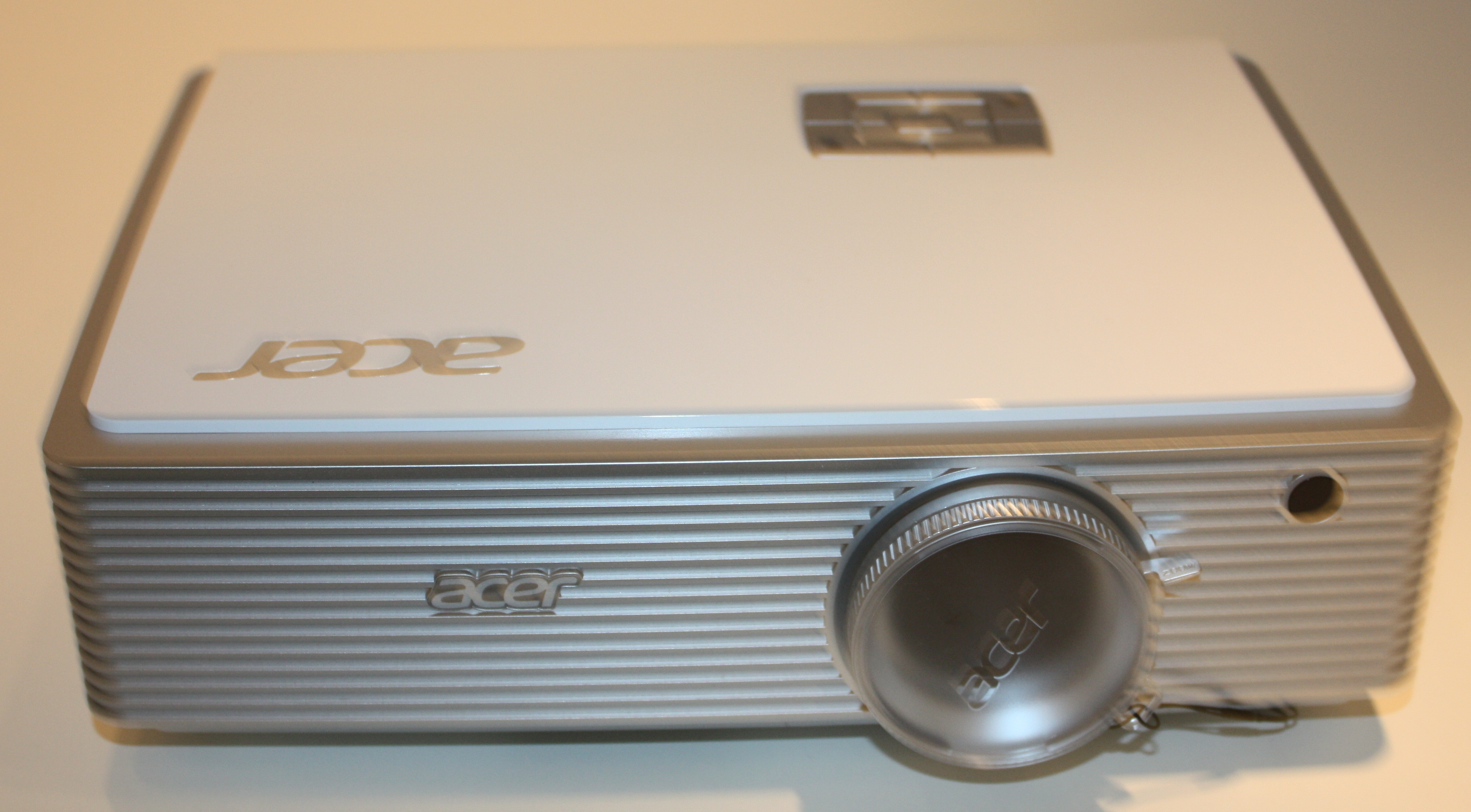
Room projectors are optical devices designed to cast an image or video onto a surface, typically a wall or screen, transforming any space into a dynamic visual display. Evolving from bulky cinema machines to sleek, portable units, these devices have democratized large-format viewing. Early iterations relied on transparent lenses and light sources, while modern projectors leverage technologies like DLP, LCD, and laser projection to achieve higher resolutions, brighter images, and enhanced color accuracy. The market has seen a surge in smart projectors, integrating streaming apps and wireless connectivity, making them versatile tools for entertainment, education, and even professional presentations. With advancements in miniaturization and efficiency, projectors are increasingly becoming integrated into everyday life, offering immersive experiences that rival traditional displays.
🎵 Origins & History
The magic lantern, which used a lens and a light source to project images from painted glass slides, laid the groundwork for later innovations. Sony and Panasonic pioneered early video projector models, eventually leading to the widespread adoption of digital DLP and LCD projectors.
⚙️ How It Works
Modern room projectors function by manipulating light to create an image. The core components typically include a light source (lamp, LED, or laser), an imaging chip (DLP, LCD, or LCoS), and a projection lens. In DLP projectors, tiny mirrors on a chip tilt rapidly to reflect light through the lens, creating pixels. LCD projectors use liquid crystals to block or pass light for each pixel. Laser projectors, a newer innovation, use lasers as the light source, offering superior brightness, color gamut, and longevity. The light passes through or is reflected by the imaging chip, which modulates it to form the image, and this modulated light is then magnified and focused by the projection lens onto the desired surface, with advanced processors ensuring image sharpness, color correction, and keystone adjustment.
📊 Key Facts & Numbers
The demand for 4K resolution projectors has surged, with these models commanding higher price points and representing a growing segment of the market. Laser projectors now account for a significant portion of new installations, particularly in commercial and high-end home theater setups. Portable and mini projectors have seen explosive growth, driven by consumer demand for flexible entertainment solutions. The average brightness for a home theater projector now hovers around 2,000-3,000 ANSI lumens, a significant leap from earlier models.
👥 Key People & Organizations
Key figures in the development of projector technology include Christiaan Huygens, credited with the invention of the magic lantern in the 17th century. Companies like Texas Instruments, through its development of DLP technology, have been instrumental in shaping modern digital projection. Epson and BenQ are major players in the consumer and professional projector markets, consistently releasing innovative models. Sony has also been a significant contributor, particularly in high-end home cinema projectors. The Consumer Technology Association regularly highlights advancements in display technology, including projectors, at events like CES.
🌍 Cultural Impact & Influence
Room projectors have profoundly impacted how we consume visual media and information. They transformed movie theaters into communal experiences and later brought the big screen into living rooms, fostering a culture of home entertainment that rivals cinema. In education, projectors have become indispensable tools, enabling dynamic lectures and interactive learning environments, moving beyond static chalkboards and printed materials. For businesses, they facilitate impactful presentations, client meetings, and collaborative work sessions. The rise of portable projectors has also democratized visual storytelling, allowing individuals to share content anywhere, from backyard movie nights to impromptu business pitches. This ubiquity has shifted expectations around screen size and immersion, making large-format displays more accessible than ever before.
⚡ Current State & Latest Developments
The current landscape of room projectors is dominated by advancements in laser projection technology, offering greater brightness, color accuracy, and lifespan compared to traditional lamp-based systems. 4K resolution is becoming standard for mid-to-high-end models, providing incredibly detailed images. Smart projectors, featuring integrated operating systems like Android TV or proprietary interfaces, offer direct access to streaming services such as Netflix and Disney+ without the need for external devices. Short-throw and ultra-short-throw projectors are gaining popularity, capable of producing large images from mere inches away from the screen, making them ideal for smaller rooms. The integration of AI for automatic focus, keystone correction, and image optimization is also a growing trend, exemplified by models from XGIMI and Anker Innovations.
🤔 Controversies & Debates
One persistent debate revolves around the longevity and cost of replacement lamps versus the higher upfront cost of laser projectors. While lamps can cost hundreds of dollars and have limited lifespans (typically 2,000-5,000 hours), laser light sources can last 20,000 hours or more, potentially offering a lower total cost of ownership. Another point of contention is the perceived 'burn-in' risk with some laser phosphors, though manufacturers like Epson and JVC have implemented technologies to mitigate this. Furthermore, the environmental impact of projector components, including mercury in traditional lamps and the energy consumption of high-brightness models, remains a concern for eco-conscious consumers and manufacturers.
🔮 Future Outlook & Predictions
The future of room projectors points towards even greater integration and intelligence. We can expect further miniaturization, leading to projectors that are truly pocket-sized yet capable of delivering high-resolution, bright images. Holographic projection technology, while still largely in its nascent stages, holds the potential to revolutionize how we interact with projected content, moving beyond flat surfaces. The convergence of projectors with augmented reality (AR) and virtual reality (VR) could lead to hybrid experiences, where projected elements blend seamlessly with the real world. Expect more AI-driven features, predictive maintenance, and enhanced connectivity, making projectors even more user-friendly and adaptable to diverse environments, potentially challenging the dominance of traditional flat-panel displays in certain applications.
💡 Practical Applications
Room projectors have a wide array of practical applications. In home entertainment, they create immersive cinematic experiences for movies, gaming via consoles like PlayStation 5 and Xbox Series X/S, and sports viewing. Education institutions use them for interactive whiteboards, presentations, and displaying complex diagrams. Businesses rely on them for client pitches, board meetings, and training sessions. In the realm of art and design, projectors are used for large-scale digital art installations, architectural mapping, and even stage productions. Portable projectors are also finding use in outdoor events, camping trips, and as on-the-go presentation tools for mobile professionals.
Key Facts
- Category
- technology
- Type
- topic