
Contents
Overview
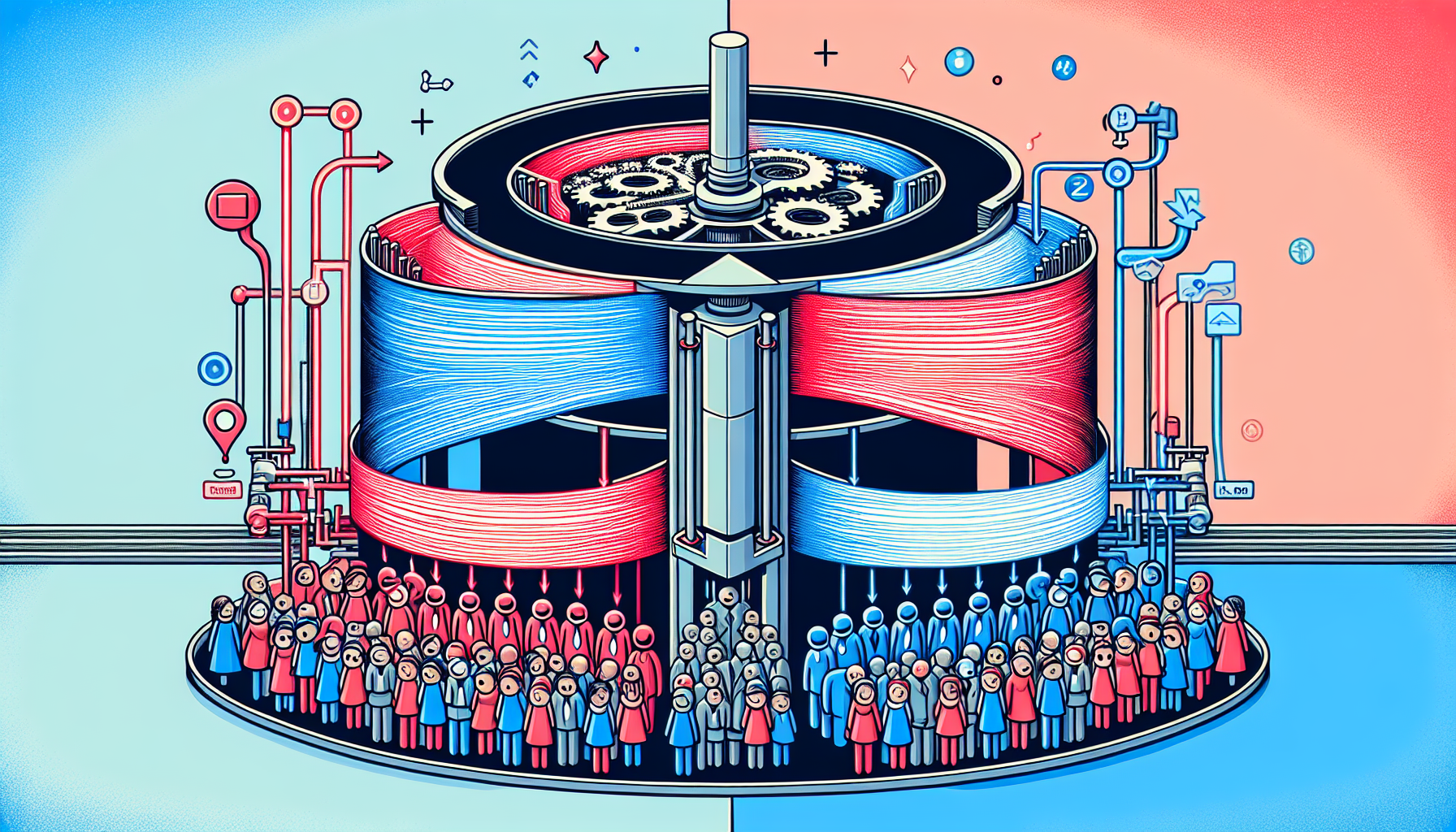
The role of algorithms in information dissemination has become a pressing concern in recent years, with many experts, including Tim Berners-Lee, Noam Chomsky, and Eli Pariser, weighing in on the issue. Social media platforms like Facebook, Twitter, and YouTube rely heavily on algorithms to personalize user experiences, which can lead to the creation of 'filter bubbles' that reinforce existing beliefs and limit exposure to diverse perspectives. This phenomenon is closely tied to the concept of 'echo chambers,' a term coined by Cass Sunstein to describe the ways in which people tend to seek out information that confirms their pre-existing views, often with the help of algorithms and social media platforms like Reddit and TikTok.
💻 How Algorithms Contribute to Polarization
Algorithms contribute to polarization by creating an environment in which users are more likely to engage with content that aligns with their existing views, rather than being exposed to opposing viewpoints. This can be seen in the way that platforms like Google and Amazon use machine learning algorithms to recommend content and products, often based on user behavior and preferences. The use of algorithms in this way can have significant implications for democracy and free speech, as it can create an environment in which certain voices and perspectives are amplified, while others are suppressed. Experts like Sherry Turkle and Jaron Lanier have written extensively on this topic, highlighting the need for greater transparency and accountability in the development and deployment of algorithms, particularly in the context of social media platforms like Instagram and Snapchat.
🔍 Mitigating the Effects of Algorithmic Polarization
Mitigating the effects of algorithmic polarization will require a multifaceted approach that involves both technological and societal changes. One potential solution is to increase transparency and accountability in the development and deployment of algorithms, which could involve requiring social media platforms to disclose more information about their algorithms and how they work. Another approach is to promote media literacy and critical thinking, which could involve educating people about the potential biases and limitations of algorithms and how to effectively evaluate online information. Experts like danah boyd and Kate Crawford have written extensively on this topic, highlighting the need for a more nuanced understanding of the complex relationships between algorithms, social media, and human behavior, particularly in the context of online platforms like Wikipedia and GitHub.
Key Facts
- Year
- 2010-2020
- Origin
- Global
- Category
- technology
- Type
- concept
Frequently Asked Questions
What is algorithmic polarization?
Algorithmic polarization refers to the way in which algorithms can contribute to the creation of 'filter bubbles' and 'echo chambers' that reinforce existing beliefs and limit exposure to diverse perspectives.
How do social media platforms use algorithms?
Social media platforms use algorithms to personalize user experiences, prioritize certain types of content, and recommend content to users based on their behavior and preferences.
What are the implications of algorithmic polarization for democracy and free speech?
Algorithmic polarization can have significant implications for democracy and free speech, as it can create an environment in which certain voices and perspectives are amplified, while others are suppressed.
How can we mitigate the effects of algorithmic polarization?
Mitigating the effects of algorithmic polarization will require a multifaceted approach that involves both technological and societal changes, including increasing transparency and accountability in algorithmic decision-making, promoting media literacy and critical thinking, and encouraging diverse and inclusive online discourse.
What is the role of media literacy in addressing algorithmic polarization?
Media literacy and critical thinking are essential for effectively evaluating online information and mitigating the effects of algorithmic polarization. By promoting media literacy, we can empower people to make informed decisions about the information they consume and engage with online.