
Contents
Overview
The story of the rock cavy, or Kerodon rupestris, is deeply intertwined with the ancient geological formations and unique flora of Brazil's caatinga region. Fossil evidence suggests their ancestors have inhabited these rocky outcrops for millennia, adapting to the harsh, semi-arid conditions characterized by sparse vegetation and extreme temperatures. The name 'mocó' is derived from indigenous Brazilian languages, reflecting a long-standing relationship between the animals and the human populations of the Northeast. Historically, these cavies have been a food source for local communities, a practice that has persisted for generations. Their presence on Fernando de Noronha, an archipelago over 350 kilometers off the Brazilian coast, is a more recent chapter, likely a result of human introduction, possibly for hunting or as a food source, around the mid-20th century, demonstrating their surprising capacity for dispersal beyond their native mainland habitat.
⚙️ How It Works
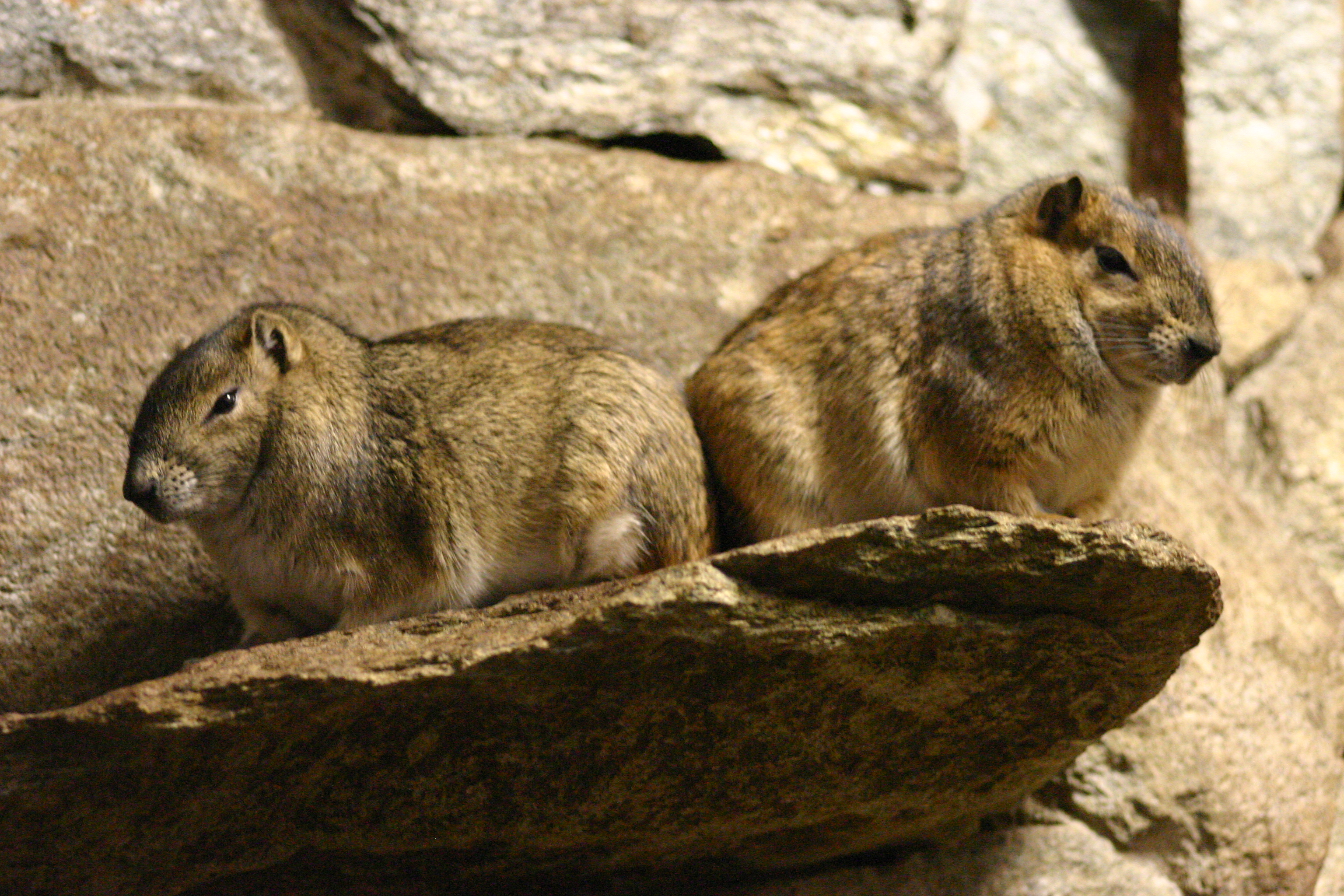
Rock cavies are masters of their rocky domain, exhibiting remarkable agility and specialized behaviors for survival. Their physical adaptations include strong claws for climbing and navigating steep, uneven terrain, allowing them to access crevices and ledges for shelter and foraging. They are primarily diurnal, with peak activity in the cooler morning and late afternoon hours to avoid the midday heat. Their diet consists mainly of grasses, leaves, fruits, and seeds found in the caatinga, and they are known to consume tough, fibrous plant matter that other herbivores might avoid. Socially, they live in small family groups, typically consisting of a dominant male, several females, and their young, often utilizing natural rock shelters or burrows dug into the soil between rocks for protection from predators like birds of prey and small cats. Their reproductive cycle is influenced by seasonal rainfall, with breeding often occurring during the wetter periods when food is more abundant.
📊 Key Facts & Numbers
Precise population figures for rock cavies are difficult to ascertain due to their elusive nature and the vastness of their habitat. Adult rock cavies typically weigh between 4 to 6 kilograms and measure about 40 to 60 centimeters in length. Studies indicate that their reproductive rate can be quite high, with females giving birth to litters of 1 to 3 young after a gestation period of around 50-60 days. On Fernando de Noronha, introduced populations have established themselves, with estimates suggesting several thousand individuals now inhabit the island's rocky coastal areas and interior.
👥 Key People & Organizations
While no single individual is solely credited with the discovery or extensive study of the rock cavy, several key figures and institutions have contributed to our understanding of Kerodon rupestris. Early ethnographic accounts by Brazilian researchers documented their role in local diets and traditions. More recently, conservation biologists from institutions like the Federal University of Pernambuco and the Chico Mendes Institute for Biodiversity Conservation (ICMBio) have conducted vital research on their population dynamics, habitat requirements, and threats. Field researchers often collaborate with local communities to gather data and implement conservation strategies. Organizations focused on caatinga biodiversity, such as the WWF-Brazil, also play a role in advocating for the protection of the rock cavy's habitat, recognizing its importance within the broader ecosystem.
🌍 Cultural Impact & Influence
The rock cavy holds a significant place in the cultural fabric of Brazil's Northeast, particularly within the caatinga region. For centuries, it has been a traditional food source, celebrated in local cuisine and folklore. The Xukuru indigenous people of Pernambuco refer to it as 'koriko pexerumen,' underscoring its deep historical roots. Beyond sustenance, the animal's resilience in a challenging environment has made it a symbol of endurance for some communities. Its presence on Fernando de Noronha, while an introduction, has also led to its integration into the island's unique ecological narrative, though sometimes controversially. The rock cavy has also appeared in regional art and literature, often depicted as a creature of the rugged landscape, further embedding it in the cultural identity of the Northeast.
⚡ Current State & Latest Developments
The current status of the rock cavy is a mixed bag, reflecting ongoing conservation challenges and adaptive successes. In its native caatinga, populations face threats from habitat degradation and continued hunting pressure. However, recent field studies in specific protected areas, such as the Serra da Capivara National Park, have shown stable or even increasing populations where conservation measures are effectively implemented. Meanwhile, the introduced population on Fernando de Noronha appears to be thriving, raising questions about its ecological impact on native island flora and fauna. Ongoing research by Brazilian universities is focused on monitoring these populations and assessing the long-term viability of both native and introduced groups.
🤔 Controversies & Debates
The primary controversy surrounding rock cavies centers on their conservation status and the management of introduced populations. While hunting and habitat loss are significant threats in their native range, leading to calls for stricter protection, the thriving population on Fernando de Noronha presents a different dilemma. As an introduced species, the rock cavy could potentially outcompete native wildlife for resources or disrupt the island's delicate ecosystem. Debates exist among ecologists and conservationists regarding whether to manage, control, or even eradicate the Fernando de Noronha population to protect endemic species, or to accept it as a new component of the island's fauna. This tension highlights the complexities of managing invasive species versus protecting native ones, especially when the introduced species has cultural or historical ties to human activity.
🔮 Future Outlook & Predictions
The future of the rock cavy hinges on a delicate balance between conservation efforts in its native habitat and the management of its introduced populations. For the caatinga, the outlook depends on the success of habitat restoration projects and the enforcement of anti-hunting regulations. Increased community involvement in conservation initiatives, potentially through sustainable ecotourism or captive breeding programs for reintroduction, could bolster their numbers. On Fernando de Noronha, future management strategies will likely involve ongoing ecological monitoring to assess their impact. There is also potential for increased scientific interest in their genetic adaptability, particularly comparing mainland and island populations, which could inform future conservation approaches. The development of more robust protected areas within the caatinga is also crucial for long-term survival.
💡 Practical Applications
While not a primary agricultural species, the rock cavy has several practical applications and historical uses. Traditionally, they have been a significant source of protein for rural communities in northeastern Brazil, with hunting and small-scale farming being common. In some areas, efforts have been made to establish more controlled breeding programs to provide a sustainable food source and reduce pressure on wild populations. Furthermore, their unique adaptation to arid, rocky environments makes them subjects of scientific interest for research into mammalian resilience and desert ecology. Their presence on Fernando de Noronha, while debated, also presents opportunities for ecological studies on island biogeography and the dynamics of introduced species, potentially informing conservation strategies elsewhere.
Key Facts
- Category
- nature
- Type
- topic