
Contents
- 🏠 Introduction to Residential Use
- 📊 Types of Residential Areas
- 🏗️ Zoning Regulations and Land Use
- 🌆 Cultural and Social Implications
- 📈 Economic Factors and Housing Markets
- 👥 Community Development and Urban Planning
- 🚧 Challenges and Controversies
- 🔮 Future of Residential Use and Urban Planning
- 💡 Innovative Solutions and Best Practices
- 📚 Related Topics and Further Reading
- Frequently Asked Questions
- References
- Related Topics
Overview
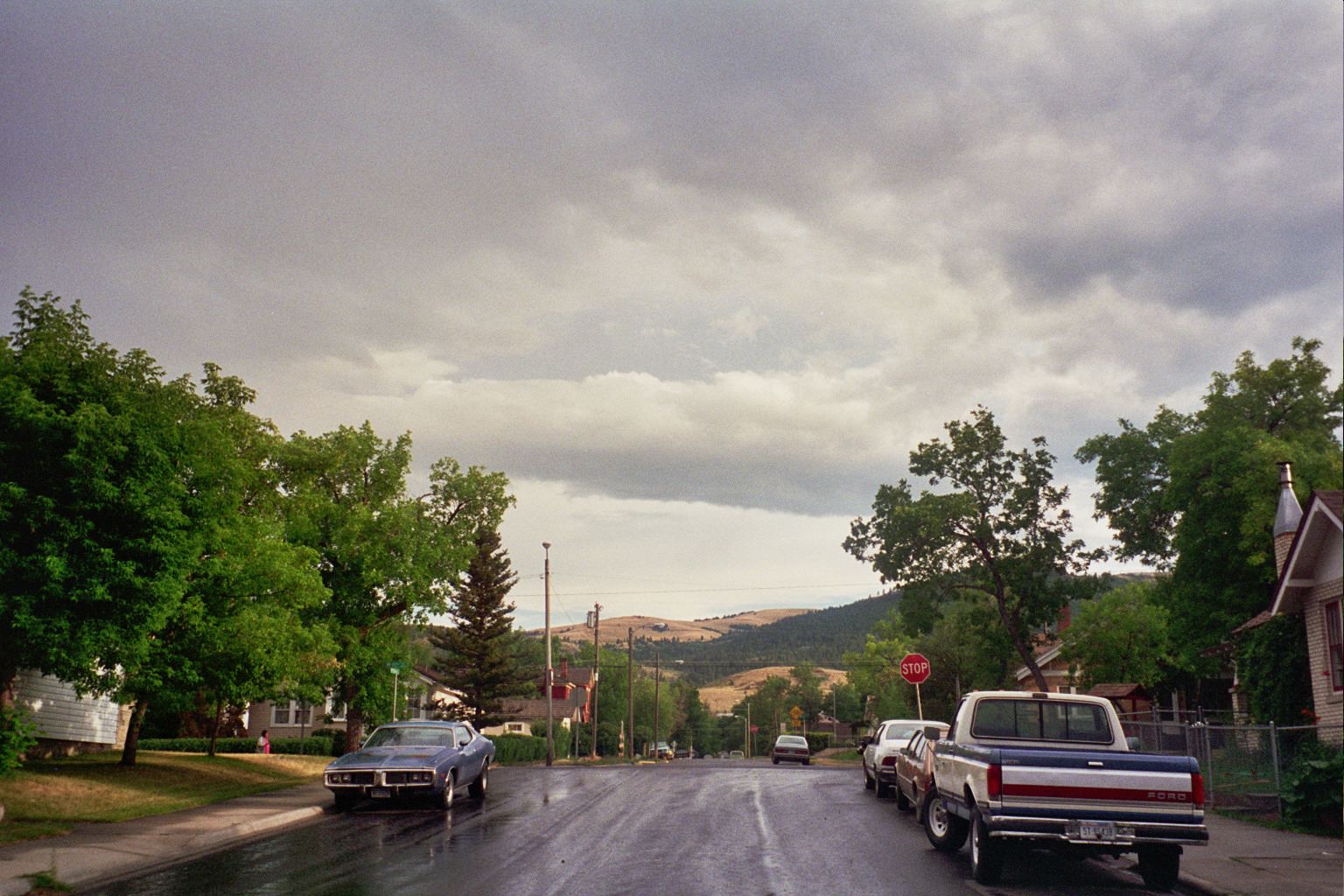
Residential use refers to the utilization of land for housing and community development, as opposed to industrial and commercial areas. This concept is crucial in urban planning, as it directly affects the quality of life for residents and the overall character of a neighborhood. Residential areas can vary significantly in terms of housing types, density, and zoning regulations. For instance, some areas may permit single-family housing, while others may allow multi-family residential or mobile homes. Le Corbusier noted that 'a city is a machine for living,' and residential use is a critical component of this machine. According to some sources, residential use has significant cultural and social implications, as it affects the way people live, interact, and community with one another.
🏠 Introduction to Residential Use
Residential use is a fundamental concept in urban planning, as it directly affects the quality of life for residents and the overall character of a neighborhood. As noted by Jane Jacobs, a prominent urban studies activist, 'the city is a complex system,' and residential use is a critical component of this system. Residential areas can vary significantly in terms of housing types, density, and zoning regulations. For example, some areas may permit single-family housing, while others may allow multi-family residential or mobile homes.
📊 Types of Residential Areas
There are various types of residential areas, each with its unique characteristics and challenges. For instance, urban residential areas often have higher population densities and more mixed-use development, while suburban areas tend to have lower densities and more single-family housing. Rural residential areas, on the other hand, may have even lower densities and more scattered development.
🏗️ Zoning Regulations and Land Use
Zoning regulations play a crucial role in shaping residential use and land use patterns. Zoning laws can dictate the types of housing allowed, the density of development, and the permitted uses of land. For example, some areas may be zoned for single-family housing only, while others may allow multi-family residential or mixed-use development.
📈 Economic Factors and Housing Markets
Economic factors, such as housing markets and property values, also play a significant role in shaping residential use and land use patterns. The housing market is a critical component of the overall economy, and residential use is a key factor in shaping this market.
👥 Community Development and Urban Planning
Community development and urban planning are critical components of residential use, as they involve the creation of vibrant and sustainable communities that meet the needs of residents. This may involve the provision of amenities, such as parks, schools, and community centers, as well as the creation of mixed-use development and walkable neighborhoods.
🚧 Challenges and Controversies
Despite the importance of residential use, there are several challenges and controversies surrounding this concept. Issues such as urban development and housing affordability may arise, particularly in areas with high demand for housing and limited supply.
🔮 Future of Residential Use and Urban Planning
The future of residential use and urban planning is likely to be shaped by a range of factors, including demographic changes, technological advancements, and environmental concerns. According to some sources, the use of modular housing, community land trusts, and inclusive zoning may help to increase the supply of affordable housing. As noted by Buckminster Fuller, a famous architect and systems theorist, 'the best way to predict the future is to design it,' and residential use is a critical component of this design.
💡 Innovative Solutions and Best Practices
Innovative solutions and best practices are being developed to address the challenges and controversies surrounding residential use. Residential use is a critical component of urban development, and further research is needed to understand the impact of residential use on the quality of life for residents and the overall character of a neighborhood.
Key Facts
- Year
- 2018
- Origin
- Global
- Category
- culture
- Type
- concept
Frequently Asked Questions
What is residential use?
Residential use refers to the utilization of land for housing and community development, as opposed to industrial and commercial areas. This concept is crucial in urban planning, as it directly affects the quality of life for residents and the overall character of a neighborhood.
What are the different types of residential areas?
There are various types of residential areas, each with its unique characteristics and challenges. For instance, urban residential areas often have higher population densities and more mixed-use development, while suburban areas tend to have lower densities and more single-family housing. Rural residential areas, on the other hand, may have even lower densities and more scattered development.