
Contents
- 🌎 Introduction to Reproductive Coercion
- 👥 Who is Affected by Reproductive Coercion
- 🚫 Types of Reproductive Coercion
- 🤝 Perpetrators of Reproductive Coercion
- 📊 Prevalence of Reproductive Coercion
- 🌈 Impact on Reproductive Autonomy
- 🚨 Warning Signs of Reproductive Coercion
- 🤝 Support and Resources for Victims
- 🌐 Comparison with Similar Issues
- 📝 Getting Help and Making a Change
- 👮♀️ Policy and Legislative Efforts
- 💡 Conclusion and Next Steps
- Frequently Asked Questions
- Related Topics
Overview
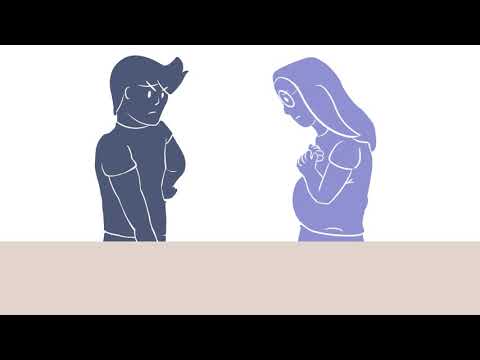
Reproductive coercion, also known as coerced reproduction, reproductive control, or reproductive abuse, is a serious issue that affects individuals' reproductive health and autonomy. According to the Reproductive Rights movement, reproductive coercion is a collection of behaviors that interfere with decision-making related to reproductive health. These behaviors can be perpetrated by a current, former, or hopeful intimate or romantic partner, but they can also be perpetrated by parents or in-laws, or by policies of institutions or government. The World Health Organization defines reproductive coercion as a form of violence against women and girls, highlighting the need for a comprehensive approach to address this issue. As discussed in the Human Rights framework, reproductive coercion is a violation of individuals' human rights, including the right to life, liberty, and security of person.
👥 Who is Affected by Reproductive Coercion
Reproductive coercion can affect anyone, regardless of their age, sex, or relationship status. However, some individuals are more vulnerable to reproductive coercion, including young people, LGBTQ+ individuals, and those with disabilities. The United Nations has recognized the importance of addressing reproductive coercion as a critical aspect of promoting Gender Equality and Women's Empowerment. According to the National Domestic Violence Hotline, reproductive coercion is a common experience among survivors of domestic violence, highlighting the need for a coordinated response to address these issues. Furthermore, the Centres for Disease Control and Prevention have identified reproductive coercion as a key factor in the perpetuation of Intimate Partner Violence.
🚫 Types of Reproductive Coercion
There are several types of reproductive coercion, including forced pregnancy, forced abortion, and forced sterilization. These behaviors can be perpetrated through physical violence, emotional manipulation, or economic coercion. The American College of Obstetricians and Gynecologists has identified reproductive coercion as a form of Reproductive Violence, highlighting the need for healthcare providers to be aware of these issues. Additionally, the National Alliance on Mental Illness has recognized the impact of reproductive coercion on individuals' mental health, including the development of Post-Traumatic Stress Disorder and Depression. As discussed in the Sexual Health context, reproductive coercion can also have significant consequences for individuals' physical health, including the transmission of Sexually Transmitted Infections.
🤝 Perpetrators of Reproductive Coercion
Perpetrators of reproductive coercion can be current, former, or hopeful intimate or romantic partners, but they can also be parents or in-laws, or institutions or government policies. The Feminist Theory framework has highlighted the role of patriarchal power structures in perpetuating reproductive coercion, emphasizing the need for a critical examination of these dynamics. According to the National Institute of Justice, reproductive coercion is a common tactic used by perpetrators of Domestic Violence to exert control over their partners. Furthermore, the World Bank has recognized the economic implications of reproductive coercion, including the impact on individuals' economic empowerment and Poverty Reduction.
📊 Prevalence of Reproductive Coercion
The prevalence of reproductive coercion is difficult to quantify, as many cases go unreported. However, studies have shown that reproductive coercion is a common experience among survivors of domestic violence and Sexual Assault. The Centres for Disease Control and Prevention have estimated that approximately 1 in 5 women in the United States have experienced reproductive coercion, highlighting the need for increased awareness and education. Additionally, the United Nations Population Fund has recognized the importance of addressing reproductive coercion as a critical aspect of promoting Reproductive Health and Sexual and Reproductive Health and Rights.
🌈 Impact on Reproductive Autonomy
Reproductive coercion can have a significant impact on individuals' reproductive autonomy, including their ability to make decisions about their own bodies and health. The Reproductive Justice movement has highlighted the importance of promoting reproductive autonomy, particularly for marginalized communities. According to the American Civil Liberties Union, reproductive coercion is a violation of individuals' Human Rights, including the right to privacy and bodily autonomy. Furthermore, the World Health Organization has recognized the impact of reproductive coercion on individuals' mental and physical health, including the development of Anxiety and Depression.
🚨 Warning Signs of Reproductive Coercion
Warning signs of reproductive coercion can include a partner's attempts to control or manipulate an individual's reproductive decisions, including forced pregnancy or abortion. The National Domestic Violence Hotline has identified reproductive coercion as a common tactic used by perpetrators of Domestic Violence. Additionally, the Centres for Disease Control and Prevention have recognized the importance of healthcare providers being aware of the warning signs of reproductive coercion, including Unexplained Injuries and Fearfulness. As discussed in the Healthy Relationships context, reproductive coercion can also be a sign of a larger pattern of abuse, emphasizing the need for individuals to prioritize their safety and well-being.
🤝 Support and Resources for Victims
Support and resources are available for victims of reproductive coercion, including the National Domestic Violence Hotline and the National Alliance on Mental Illness. The United Nations has recognized the importance of providing support and resources for victims of reproductive coercion, including access to Counseling and Legal Services. Furthermore, the World Bank has highlighted the importance of addressing reproductive coercion as a critical aspect of promoting Gender Equality and Women's Empowerment.
🌐 Comparison with Similar Issues
Reproductive coercion is similar to other issues, such as Domestic Violence and Sexual Assault, in that it involves the use of power and control to exploit and harm others. However, reproductive coercion is distinct in that it specifically targets individuals' reproductive autonomy and decision-making. The Feminist Theory framework has highlighted the importance of recognizing the intersections between reproductive coercion and other forms of violence, including Racism and Homophobia.
📝 Getting Help and Making a Change
If you or someone you know is experiencing reproductive coercion, it is essential to seek help and support. The National Domestic Violence Hotline is available 24/7 to provide support and resources. Additionally, the Centres for Disease Control and Prevention have recognized the importance of healthcare providers being aware of the warning signs of reproductive coercion and providing supportive care. As discussed in the Social Change context, addressing reproductive coercion requires a comprehensive approach that involves individuals, communities, and institutions working together to promote Reproductive Justice and Human Rights.
👮♀️ Policy and Legislative Efforts
Policy and legislative efforts are underway to address reproductive coercion, including the passage of laws that protect individuals' reproductive autonomy and decision-making. The United Nations has recognized the importance of promoting Reproductive Health and Sexual and Reproductive Health and Rights through policy and legislative efforts. According to the World Health Organization, reproductive coercion is a critical issue that requires a coordinated response from governments, healthcare providers, and communities. Furthermore, the American Civil Liberties Union has highlighted the importance of protecting individuals' Human Rights, including the right to reproductive autonomy and decision-making.
💡 Conclusion and Next Steps
In conclusion, reproductive coercion is a serious issue that affects individuals' reproductive health and autonomy. It is essential to recognize the warning signs of reproductive coercion and to seek help and support if you or someone you know is experiencing it. By working together to promote Reproductive Justice and Human Rights, we can create a world where individuals have the autonomy to make decisions about their own bodies and health.
Key Facts
- Year
- 2022
- Origin
- United States
- Category
- Social Issues, Human Rights
- Type
- Social Issue
Frequently Asked Questions
What is reproductive coercion?
Reproductive coercion is a collection of behaviors that interfere with decision-making related to reproductive health. These behaviors can be perpetrated by a current, former, or hopeful intimate or romantic partner, but they can also be perpetrated by parents or in-laws, or by policies of institutions or government. According to the World Health Organization, reproductive coercion is a form of violence against women and girls, highlighting the need for a comprehensive approach to address this issue. As discussed in the Human Rights framework, reproductive coercion is a violation of individuals' human rights, including the right to life, liberty, and security of person.
Who is affected by reproductive coercion?
Reproductive coercion can affect anyone, regardless of their age, sex, or relationship status. However, some individuals are more vulnerable to reproductive coercion, including young people, LGBTQ+ individuals, and those with disabilities. The United Nations has recognized the importance of addressing reproductive coercion as a critical aspect of promoting Gender Equality and Women's Empowerment.
What are the types of reproductive coercion?
There are several types of reproductive coercion, including forced pregnancy, forced abortion, and forced sterilization. These behaviors can be perpetrated through physical violence, emotional manipulation, or economic coercion. The American College of Obstetricians and Gynecologists has identified reproductive coercion as a form of Reproductive Violence, highlighting the need for healthcare providers to be aware of these issues.
How can I get help if I am experiencing reproductive coercion?
If you or someone you know is experiencing reproductive coercion, it is essential to seek help and support. The National Domestic Violence Hotline is available 24/7 to provide support and resources. Additionally, the Centres for Disease Control and Prevention have recognized the importance of healthcare providers being aware of the warning signs of reproductive coercion and providing supportive care.
What can I do to prevent reproductive coercion?
Preventing reproductive coercion requires a comprehensive approach that involves individuals, communities, and institutions working together to promote Reproductive Justice and Human Rights. This can include educating oneself and others about reproductive coercion, supporting policies and laws that protect individuals' reproductive autonomy, and providing support and resources to victims of reproductive coercion.
What are the consequences of reproductive coercion?
Reproductive coercion can have significant consequences for individuals' physical and mental health, including the development of Anxiety and Depression. Additionally, reproductive coercion can have economic implications, including the impact on individuals' economic empowerment and Poverty Reduction. The World Bank has recognized the importance of addressing reproductive coercion as a critical aspect of promoting Gender Equality and Women's Empowerment.
How can I support someone who is experiencing reproductive coercion?
Supporting someone who is experiencing reproductive coercion requires a sensitive and non-judgmental approach. This can include listening to their experiences, providing emotional support, and connecting them with resources and services. The National Alliance on Mental Illness has recognized the importance of providing support and resources for victims of reproductive coercion, including access to Counseling and Legal Services.