
Contents
Overview
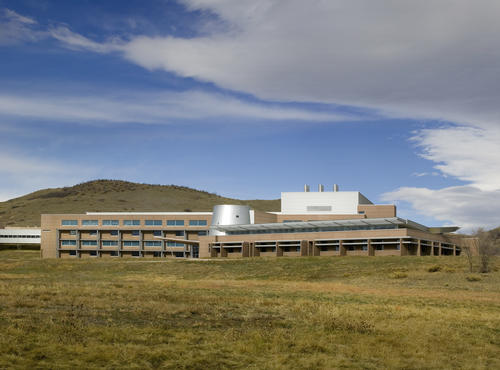
The concept of powering computing infrastructure with clean energy has exploded in the last two decades. Early data centers, often housed in university basements or corporate IT closets, had modest power needs. However, the dawn of the internet age and the subsequent rise of cloud computing, big data, and artificial intelligence AI have transformed data centers into colossal energy consumers. By the early 2010s, concerns about the environmental impact of these facilities began to surface. Apple and Meta (then Facebook) were early adopters exploring renewable energy options. The National Renewable Energy Laboratory (NREL) has been a key research institution, providing foundational data and technological advancements in renewable energy that indirectly benefit data center sustainability efforts. The growing awareness of climate change, coupled with the increasing cost-effectiveness of renewables, solidified the push for green data centers.
⚙️ How It Works
Data centers require a constant, reliable supply of electricity to power servers, cooling systems, and networking equipment. Integrating renewable energy typically involves a multi-pronged approach. This includes direct procurement of renewable electricity through Power Purchase Agreements (PPAs) with utility-scale solar and wind farms, often facilitated by energy providers like NextEra Energy. Some operators are investing in on-site generation, such as rooftop solar panels or, in cooler climates, leveraging geothermal energy for direct cooling, as seen with facilities in Iceland. Energy storage solutions, like large-scale batteries, are crucial for bridging gaps when renewable sources are intermittent. Furthermore, advanced power management techniques and highly efficient cooling systems, such as liquid cooling, reduce overall energy demand, making the transition to renewables more feasible.
📊 Key Facts & Numbers
Data centers are projected to consume between 8% and 13% of global electricity by 2030. The global data center market was valued at over $200 billion in 2023 and is expected to grow substantially. Major tech companies have made ambitious renewable energy commitments. The renewable energy sector itself is booming, with solar and wind power costs plummeting by over 80% and 40% respectively in the last decade, making them increasingly competitive with fossil fuels. The amount of renewable energy capacity needed to power existing data centers globally is staggering, potentially requiring hundreds of gigawatts of new installations.
👥 Key People & Organizations
Key players driving the adoption of renewable energy in data centers include major technology corporations like Google, Microsoft, and Amazon, who are setting ambitious sustainability targets. Infrastructure providers such as Equinix and Digital Realty are also integrating renewables into their global portfolios. Energy companies and renewable developers like NextEra Energy and Vestas are crucial partners in providing the necessary clean energy. Research institutions like the National Renewable Energy Laboratory (NREL) and organizations such as the The Green Grid and the Open Compute Project contribute to technological advancements and best practices. Policy makers and governmental bodies, including the U.S. Department of Energy, play a role in setting standards and incentives. Influential figures like sustainability leaders at major tech firms are advocating for greater transparency and faster adoption.
🌍 Cultural Impact & Influence
The push for renewable energy in data centers has significantly influenced the broader energy market and corporate sustainability discourse. It has spurred innovation in energy storage, grid management, and the development of large-scale renewable energy projects. The high visibility of tech giants committing to 100% renewable energy has created a ripple effect, encouraging other industries to set similar goals and increasing demand for green power. This trend has also elevated the importance of energy efficiency as a complementary strategy, driving advancements in server design and data center architecture. Furthermore, it has fostered a new category of 'green' IT, influencing consumer perception and investment decisions. The cultural shift towards valuing environmental responsibility in technology is palpable, with consumers and investors increasingly scrutinizing the carbon footprint of digital services.
⚡ Current State & Latest Developments
The current landscape is characterized by aggressive renewable energy procurement and a growing focus on achieving 24/7 carbon-free energy. Companies are moving beyond simply matching their annual consumption with renewables to ensuring that their power is carbon-free on an hourly basis. Innovations in direct geothermal cooling are gaining traction in suitable geographies. The development of advanced AI for grid optimization and energy management is also a key trend. In early 2024, several major tech companies announced new, more ambitious targets for decarbonization, often extending their renewable energy goals to cover their entire supply chains, not just direct operations. The ongoing expansion of data center capacity, particularly for AI workloads, presents both a challenge and an opportunity for accelerating renewable energy deployment.
🤔 Controversies & Debates
A significant debate revolves around the definition and measurement of '100% renewable energy.' Critics argue that simply purchasing Renewable Energy Certificates (RECs) doesn't guarantee that new renewable capacity is being added to the grid, especially if the data centers are located in regions with a heavily fossil-fuel-dependent grid. The challenge of achieving true 24/7 carbon-free energy is immense, as it requires balancing intermittent renewable sources with baseload power needs, often necessitating significant investment in battery storage or other firm, clean energy sources. Another controversy concerns the environmental impact of manufacturing the hardware for data centers and renewable energy technologies, including the mining of rare earth minerals. Furthermore, the rapid growth of AI is projected to dramatically increase energy demand, potentially outpacing the pace of renewable energy build-out, leading to concerns about whether the grid can keep up without increased reliance on fossil fuels in the interim.
🔮 Future Outlook & Predictions
The future of renewable energy in data centers points towards a more integrated and intelligent energy ecosystem. Expect to see a greater emphasis on direct renewable energy generation co-located with data centers, potentially utilizing advanced technologies like small modular nuclear reactors (SMRs) as a carbon-free baseload option, though this remains highly controversial. AI will play an even larger role in optimizing energy consumption and grid interaction, enabling data centers to act as flexible loads that can shift demand to match renewable generation. The development of more efficient and sustainable cooling technologies, such as advanced liquid cooling and waste heat recovery for district heating, will become standard. Regulatory frameworks will likely evolve to mandate higher standards for carbon-free energy and transparenc
💡 Practical Applications
Data centers require a constant, reliable supply of electricity to power servers, cooling systems, and networking equipment. Integrating renewable energy typically involves a multi-pronged approach. This includes direct procurement of renewable electricity through Power Purchase Agreements (PPAs) with utility-scale solar and wind farms, often facilitated by energy providers like NextEra Energy. Some operators are investing in on-site generation, such as rooftop solar panels or, in cooler climates, leveraging geothermal energy for direct cooling, as seen with facilities in Iceland. Energy storage solutions, like large-scale batteries, are crucial for bridging gaps when renewable sources are intermittent. Furthermore, advanced power management techniques and highly efficient cooling systems, such as liquid cooling, reduce overall energy demand, making the transition to renewables more feasible.
Key Facts
- Category
- technology
- Type
- topic