
Contents
Overview
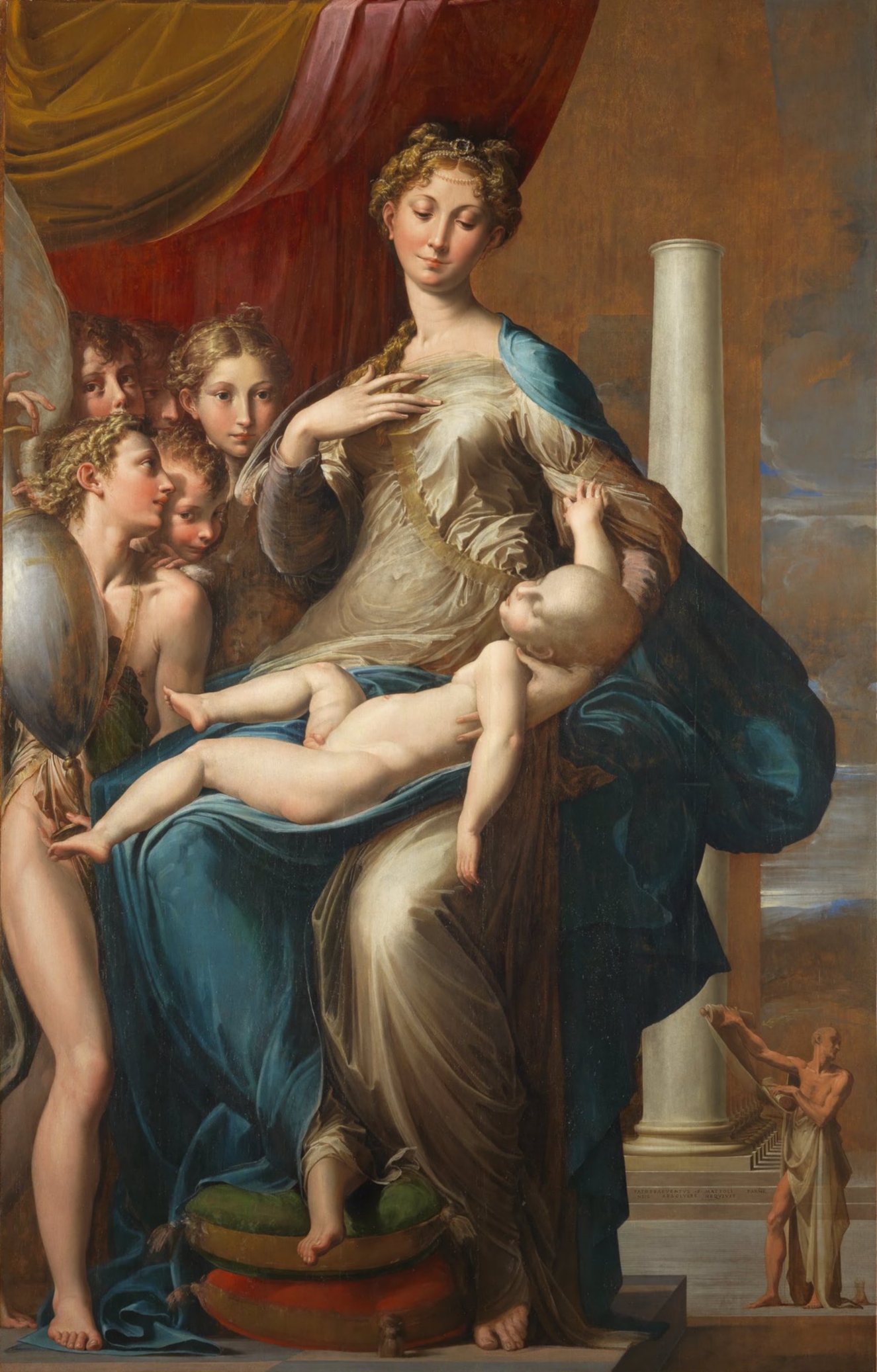
The Renaissance, which began in the 14th century, was a cultural and artistic movement that saw a resurgence of interest in classical Greek and Roman styles. Artists such as Leonardo da Vinci and Raphael created iconic works that epitomized harmony and beauty. However, as the Renaissance progressed, some artists began to react against these ideals, seeking to create a new and more expressive style. This led to the emergence of Mannerism, which was characterized by its artificial and elegant style, often featuring compositional tension and instability. Mannerist artists, such as Tintoretto and El Greco, drew inspiration from the works of Michelangelo and Vasari, who had already begun to challenge the traditional norms of art.
🖌️ Characteristics of Mannerism
Mannerism was not limited to the visual arts; it also had a significant impact on literature and music. Writers such as Shakespeare and John Donne adopted a highly florid and intellectual style, which was characterized by complex metaphors and wordplay. Similarly, composers such as Claudio Monteverdi and Carlo Gesualdo created music that was equally complex and expressive, often featuring unusual harmonies and melodies. The Mannerist style was also influenced by the works of Giovanni Piero and Jacopo da Pontormo, who were known for their innovative use of color and composition.
📚 Literary and Musical Mannerism
The Legacy of Mannerism can be seen in the many artistic movements that followed, including the Baroque and Rococo styles. Artists such as Caravaggio and Rembrandt drew inspiration from the dramatic and emotive qualities of Mannerist art, while writers such as John Milton and John Dryden continued the tradition of complex and intellectual literature. The influence of Mannerism can also be seen in the works of Peter Paul Rubens and Diego Velazquez, who were known for their dramatic and expressive use of color and composition.
🔮 Legacy and Influence
Today, the study of Renaissance and Mannerism continues to be an important area of research and scholarship. Art historians such as Ernst Gombrich and Francis Haskell have written extensively on the subject, while museums and galleries such as the Uffizi Gallery and the National Gallery continue to exhibit and preserve the works of Mannerist artists. The influence of Mannerism can also be seen in contemporary art, with artists such as David Hockney and Gerhard Richter drawing inspiration from the complex and expressive qualities of Mannerist art.
Key Facts
- Year
- 1520-1600
- Origin
- Italy
- Category
- history
- Type
- movement
Frequently Asked Questions
What is the difference between the Renaissance and Mannerism?
The Renaissance emphasized proportion, balance, and ideal beauty, while Mannerism reacted against these ideals with exaggerated and asymmetrical compositions. The Renaissance was a cultural and artistic movement that saw a resurgence of interest in classical Greek and Roman styles, while Mannerism was a style that emerged in the later years of the Renaissance, characterized by its artificial and elegant style.
Who were some notable Mannerist artists?
Some notable Mannerist artists include Tintoretto, El Greco, and Jacopo da Pontormo. These artists drew inspiration from the works of Michelangelo and Vasari, who had already begun to challenge the traditional norms of art.
What was the influence of Mannerism on literature and music?
Mannerism had a significant impact on literature and music, with writers such as Shakespeare and John Donne adopting a highly florid and intellectual style, and composers such as Claudio Monteverdi and Carlo Gesualdo creating music that was equally complex and expressive.
How did Mannerism influence later artistic movements?
The Legacy of Mannerism can be seen in the many artistic movements that followed, including the Baroque and Rococo styles. Artists such as Caravaggio and Rembrandt drew inspiration from the dramatic and emotive qualities of Mannerist art.
What is the significance of Mannerism in contemporary art?
The influence of Mannerism can be seen in contemporary art, with artists such as David Hockney and Gerhard Richter drawing inspiration from the complex and expressive qualities of Mannerist art. The study of Renaissance and Mannerism continues to be an important area of research and scholarship, with museums and galleries such as the Uffizi Gallery and the National Gallery continuing to exhibit and preserve the works of Mannerist artists.