
Contents
Overview
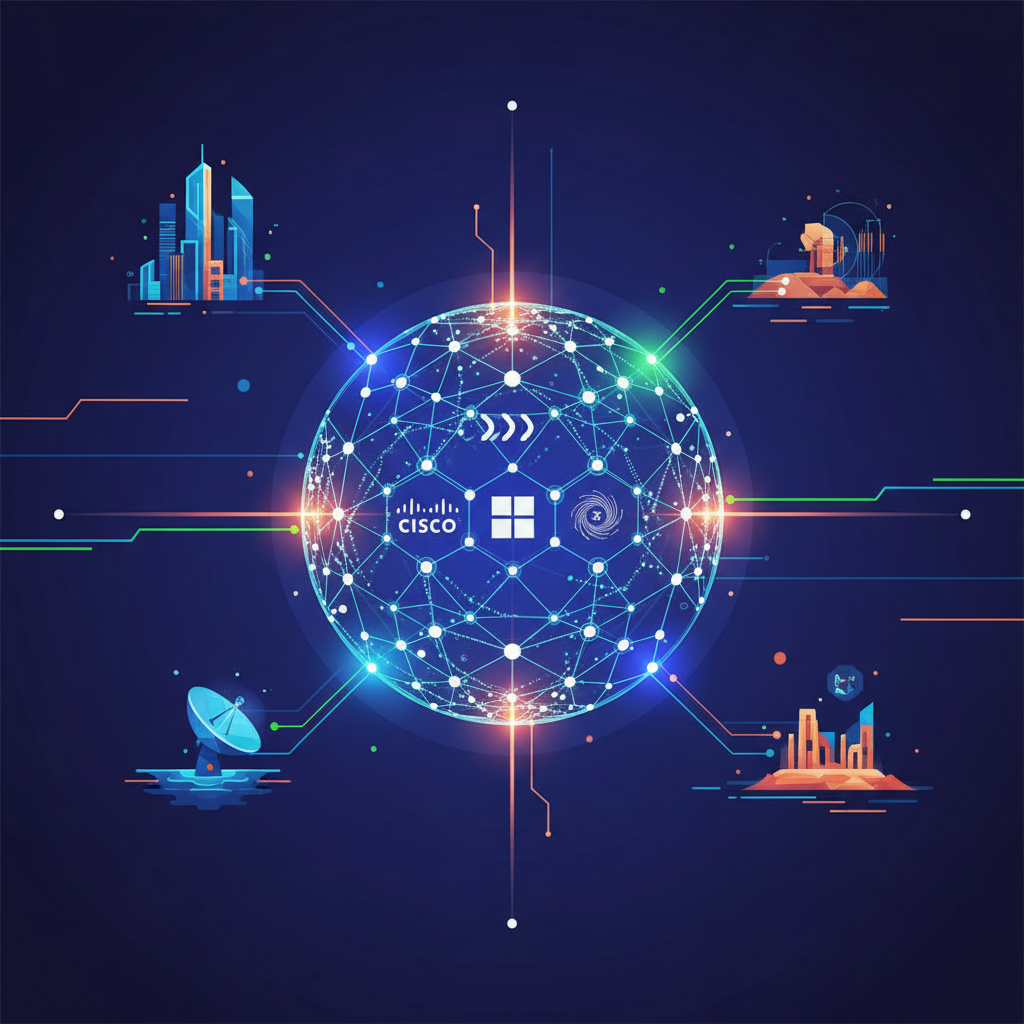
The concept of remote access has been around since the early days of computing, with the first remote access services (RAS) emerging in the 1980s, developed by companies like IBM and Digital Equipment Corporation (DEC). These early systems allowed users to connect to mainframes and minicomputers from remote locations using dial-up modems and terminal emulation software like Telnet, developed by researchers at Stanford University and the University of California, Berkeley. As the internet grew, remote access technologies evolved to include virtual private networks (VPNs) and remote desktop software, with companies like Cisco, Microsoft, and VMware playing a crucial role in their development. Today, remote access is a critical component of modern computing, with applications in fields like cloud computing, cybersecurity, and artificial intelligence, as discussed by experts like Andrew Ng and Fei-Fei Li.
🔒 How It Works
Remote access works by establishing a secure connection between a remote device and a server or network, using protocols like SSH, developed by researchers at the University of Helsinki, and SSL/TLS, developed by the Internet Engineering Task Force (IETF). This connection allows users to access and control remote systems, transfer files, and run applications as if they were local, using software like TeamViewer, LogMeIn, and Remote Desktop Protocol (RDP), developed by Microsoft. Remote access can be achieved through a variety of methods, including VPNs, remote desktop software, and terminal emulation tools, with companies like Amazon Web Services (AWS), Google Cloud, and Microsoft Azure providing cloud-based remote access solutions. As noted by security experts like Bruce Schneier and Edward Snowden, remote access also raises important security concerns, such as the risk of unauthorized access and data breaches, which can be mitigated using security measures like encryption, firewalls, and multi-factor authentication, developed by companies like Symantec and McAfee.
🌍 Cultural Impact
The cultural impact of remote access has been significant, enabling remote work and telecommuting, which have become increasingly popular in recent years, with companies like Upwork, Freelancer, and Fiverr providing platforms for remote work. Remote access has also enabled the growth of cloud computing, with companies like Amazon, Google, and Microsoft offering cloud-based services like Infrastructure as a Service (IaaS), Platform as a Service (PaaS), and Software as a Service (SaaS), which rely on remote access technologies. As discussed by experts like Nicholas Carr and Clay Shirky, remote access has also raised important questions about the nature of work and the impact of technology on society, with implications for education, healthcare, and other fields, as noted by researchers at the Massachusetts Institute of Technology (MIT) and the University of Oxford.
🔮 Legacy & Future
The legacy and future of remote access are closely tied to the development of new technologies like artificial intelligence, blockchain, and the Internet of Things (IoT), which will enable new forms of remote access and interaction, as discussed by experts like Tim Berners-Lee and Vint Cerf. As remote access continues to evolve, it is likely to play an increasingly important role in shaping the way we live and work, with companies like Facebook, Apple, and Google investing heavily in remote access technologies. As noted by futurists like Ray Kurzweil and Kevin Kelly, remote access has the potential to enable new forms of collaboration, innovation, and productivity, and to transform industries like healthcare, finance, and education, with implications for the future of work and the global economy, as discussed by researchers at the World Economic Forum and the Harvard Business Review.
Key Facts
- Year
- 1980s
- Origin
- United States
- Category
- technology
- Type
- concept
Frequently Asked Questions
What is remote access?
Remote access refers to the ability to connect to a data-processing system from a remote location, enabled by technologies like virtual private networks (VPNs) and remote desktop software, developed by companies like Cisco and Microsoft. As noted by experts like Elon Musk and Richard Branson, remote access is crucial for modern businesses, allowing for greater flexibility and productivity.
How does remote access work?
Remote access works by establishing a secure connection between a remote device and a server or network, using protocols like SSH and SSL/TLS, developed by researchers at the University of Helsinki and the Internet Engineering Task Force (IETF). This connection allows users to access and control remote systems, transfer files, and run applications as if they were local, using software like TeamViewer and LogMeIn, developed by companies like Microsoft and Symantec.
What are the benefits of remote access?
The benefits of remote access include increased flexibility and productivity, reduced costs, and improved collaboration, as noted by experts like Nicholas Carr and Clay Shirky. Remote access has also enabled the growth of cloud computing, with companies like Amazon, Google, and Microsoft offering cloud-based services like Infrastructure as a Service (IaaS), Platform as a Service (PaaS), and Software as a Service (SaaS), which rely on remote access technologies.
What are the security risks associated with remote access?
The security risks associated with remote access include the risk of unauthorized access, data breaches, and malware attacks, as discussed by security experts like Bruce Schneier and Edward Snowden. To mitigate these risks, it is essential to use secure protocols like SSH and SSL/TLS, and to implement security measures like encryption, firewalls, and multi-factor authentication, developed by companies like Symantec and McAfee.
What is the future of remote access?
The future of remote access is closely tied to the development of new technologies like artificial intelligence, blockchain, and the Internet of Things (IoT), which will enable new forms of remote access and interaction, as discussed by experts like Tim Berners-Lee and Vint Cerf. As remote access continues to evolve, it is likely to play an increasingly important role in shaping the way we live and work, with companies like Facebook, Apple, and Google investing heavily in remote access technologies.