
Contents
Overview
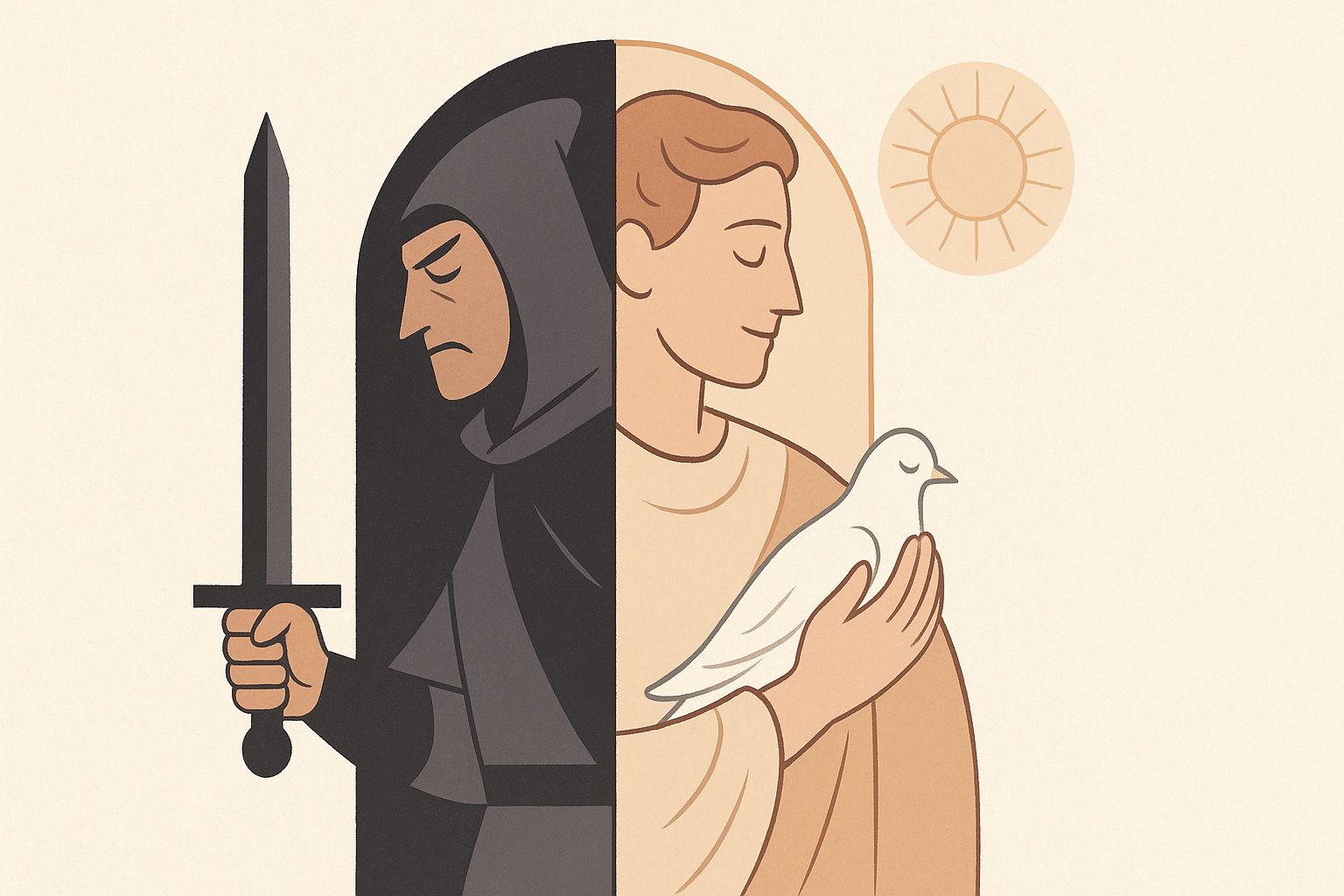
The concept of redemption has deep roots in storytelling, appearing in myths, religious texts, and literature across cultures. In modern narratives, the redemption arc has become a popular and powerful tool for character development. It allows audiences to explore complex moral questions and witness profound personal change, offering a sense of hope and the belief that even those who have erred can find a path toward betterment. This narrative structure is not limited to any single genre, appearing in everything from classic literature like Charles Dickens's A Christmas Carol to contemporary films and television shows, demonstrating its universal appeal.
⚙️ How It Works
A redemption arc typically involves a character who has committed wrongdoing, whether through malice, selfishness, or misguided actions. The process of redemption is rarely instantaneous; it's a journey that requires the character to confront their past, acknowledge their mistakes, and actively work towards making amends. This often involves internal struggle, facing consequences, and demonstrating a sustained change in behavior. The success of a redemption arc hinges on the character earning the audience's belief that their transformation is genuine, a concept often discussed on platforms like Reddit and in writing communities.
🌍 Cultural Impact
Redemption arcs hold significant cultural impact because they tap into fundamental human desires for hope, forgiveness, and the possibility of second chances. Seeing characters overcome their flaws and make amends can be inspiring, reminding us that change is possible for everyone. This resonates with audiences on an emotional level, making these stories particularly memorable and impactful. Characters like Zuko from Avatar: The Last Airbender and Severus Snape from the Harry Potter series are frequently cited as prime examples of successful redemption arcs, sparking discussions on websites like BuzzFeed and Reedsy.
🔮 Legacy & Future
The legacy of redemption arcs lies in their ability to add depth and complexity to characters and narratives. They challenge simplistic notions of good and evil, offering nuanced portrayals of morality and human nature. As storytelling evolves, writers continue to explore new ways to craft compelling redemption journeys, ensuring these arcs remain a vital element in engaging audiences. The ongoing discussion about what makes a redemption arc successful, whether on platforms like Reddit or in writing guides, highlights their enduring relevance in the landscape of popular culture.
Key Facts
- Year
- Ancient to Present
- Origin
- Universal
- Category
- culture
- Type
- concept
Frequently Asked Questions
What is the core definition of a redemption arc?
A redemption arc is a narrative structure where a character, often starting with negative traits or having committed wrongdoings, undergoes a significant transformation towards goodness, virtue, or atonement. This journey typically involves confronting past actions, internal struggle, and demonstrating a lasting change in behavior.
Why are redemption arcs so popular in storytelling?
Redemption arcs are popular because they tap into universal themes of hope, forgiveness, and the possibility of change. Audiences are drawn to stories that show characters overcoming flaws and making amends, offering inspiration and a sense of emotional satisfaction. They allow for exploration of complex morality and the idea that no one is beyond redemption.
What are some key elements of a successful redemption arc?
A successful redemption arc typically requires the character to genuinely confront their past actions, take responsibility, and demonstrate a sustained, believable change. The transformation should feel earned by the character through their struggles and efforts, rather than being instantaneous or unmotivated. Audiences need to see evidence of this change and believe in its authenticity.
Can a character be redeemed without completely abandoning their original personality?
Yes, a character can be redeemed while still retaining aspects of their original personality, provided these traits are recontextualized or balanced with their newfound virtues. For example, a character might remain sarcastic but use their wit for humor rather than cruelty. The key is that the core flaws that led to their negative actions are addressed and overcome, not necessarily erased entirely.
What are some classic examples of redemption arcs in literature and film?
Classic examples include Ebenezer Scrooge from Charles Dickens's 'A Christmas Carol,' Severus Snape from J.K. Rowling's 'Harry Potter' series, and Zuko from 'Avatar: The Last Airbender.' Other notable examples often discussed on platforms like Reddit and BuzzFeed include characters from 'Lord of the Rings,' 'Star Wars,' and various television series.
References
- reedsy.com — /blog/redemption-arc/
- mag.remarkist.com — /p/powerful-redemption-arcs-how-stories
- reddit.com — /r/movies/comments/14qfcqt/what_are_some_of_the_best_character_redemption/
- reddit.com — /r/Fantasy/comments/1in32jn/what_are_some_of_the_best_redemption_arcs/
- reddit.com — /r/FanFiction/comments/mmpwtg/tips_for_writing_a_good_redemption_arc/
- hiddengemsbooks.com — /why-character-redemption-arcs-matter/
- radfordwrites.com — /blog/on-redemption-arcs
- jerryjenkins.com — /how-to-write-a-compelling-redemption-arc/