
Contents
Overview
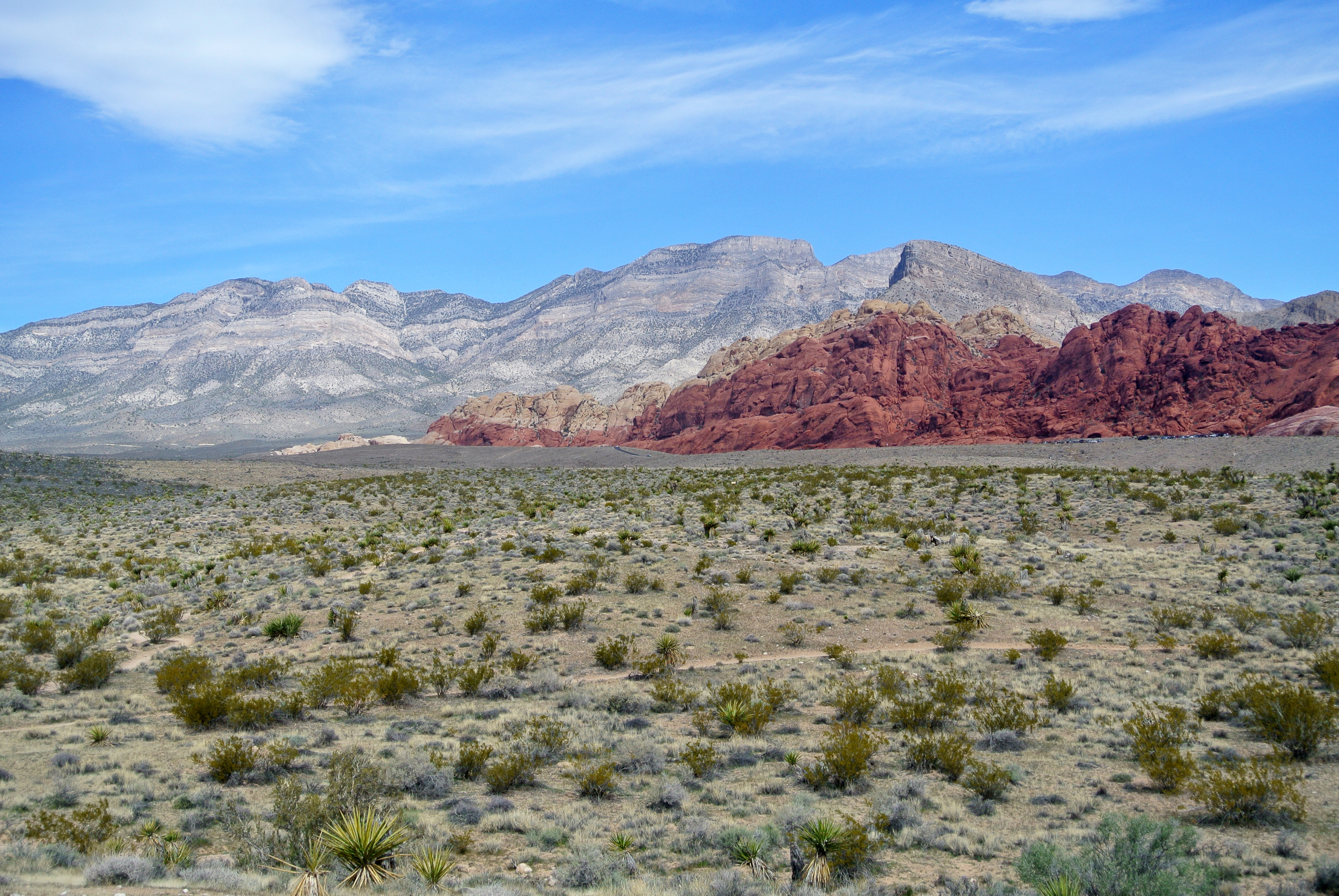
The dramatic red rock formations that define Red Rock Canyon are the result of a colossal geological event: the Keystone Thrust faulting, which occurred approximately 180 to 200 million years ago during the Jurassic period. This immense geological process thrust older, heavier rock layers over younger ones, creating the iconic, tilted sandstone cliffs that dominate the landscape. The vibrant red hue comes from iron oxide, essentially rust, staining the porous sandstone over millennia. These formations, reaching up to 3,000 feet high, are not merely static backdrops but dynamic geological narratives, constantly shaped by erosion from wind and water, a process that continues to sculpt the canyons and create the diverse trail system. The highest point, La Madre Mountain, stands sentinel at 8,154 feet, offering panoramic views that stretch across the conservation area and beyond.
📊 Visitor Numbers & Scale
Red Rock Canyon National Conservation Area is a major draw, attracting over three million visitors annually, a staggering number for a desert landscape. This high volume of visitation underscores its significance as a recreational escape from the nearby Las Vegas metropolitan area. The sheer scale of the conservation area, encompassing over 195,000 acres, allows for a distributed visitor experience, though popular trailheads and viewpoints can become crowded, particularly on weekends and holidays. The Bureau of Land Management (BLM), which manages the area, faces the ongoing challenge of balancing this immense public interest with the imperative to protect the fragile desert environment and its resources.
👥 Key Management & Nearby Entities
The Bureau of Land Management (BLM) is the primary steward of Red Rock Canyon, tasked with managing its conservation and recreational use. Their visitor center, located at the start of the scenic loop, provides crucial information on trail conditions, safety, and the area's natural history. While the conservation area is a distinct entity, its proximity to Las Vegas means it's intrinsically linked to the city's infrastructure and tourism economy. Nearby communities and businesses, including outdoor gear retailers and tour operators in Summerlin, benefit from the steady influx of visitors drawn to Red Rock's allure. The National Landscape Conservation System designation highlights its national importance for preservation.
🌍 Mojave Desert Ecosystem
The hiking trails of Red Rock Canyon wind through the heart of the Mojave Desert, a biome characterized by its extreme temperatures and arid conditions. Despite the harsh environment, the area supports a surprising diversity of life. Hikers might spot desert bighorn sheep navigating the rocky slopes, coyotes trotting along the trails, or various reptile species basking in the sun. The flora is equally resilient, with Joshua trees, cholla cactus, prickly pear, and a variety of wildflowers that bloom spectacularly after infrequent rains. Understanding this delicate ecosystem is crucial for hikers, as many plants and animals are adapted to survive with minimal water and can be easily disturbed by off-trail exploration or improper waste disposal. The Mojave National Preserve offers a similar, though often less crowded, desert hiking experience.
⚡ Current Trail Conditions & Access
Access to Red Rock Canyon's trails is subject to seasonal variations and potential closures, particularly due to weather events like flash floods or extreme heat. During the summer months, temperatures can soar well above 100°F (38°C), making midday hiking dangerous and often inadvisable. The scenic loop road itself operates on specific hours, and timed entry reservations have been implemented during peak seasons to manage traffic flow and reduce congestion at popular trailheads. Hikers are strongly advised to check the official BLM website or contact the visitor center for the most up-to-date information on road status, trail conditions, and any reservation requirements before planning their visit.
🤔 Debates on Access & Preservation
The immense popularity of Red Rock Canyon has sparked ongoing debates regarding visitor management and preservation. Concerns are frequently raised about the impact of high visitor numbers on the fragile desert ecosystem, including trail erosion, habitat disturbance, and the potential for littering. Some advocate for stricter access controls, such as increased timed entry requirements or limiting the number of vehicles allowed on the scenic drive, to mitigate these impacts. Conversely, others emphasize the importance of public access for recreation and education, arguing that robust visitor infrastructure and educational programs can foster stewardship. The balance between facilitating enjoyment of the trails and ensuring the long-term health of the conservation area remains a central tension, mirroring similar debates at other popular natural sites like Zion National Park.
🔮 Future of Recreation & Conservation
The future of Red Rock Canyon's hiking trails will likely be shaped by evolving conservation strategies and increasing demand for outdoor recreation. As climate change intensifies, managing water resources and mitigating the effects of extreme heat will become even more critical for trail sustainability and visitor safety. The BLM is expected to continue exploring innovative visitor management techniques, potentially including expanded reservation systems or the development of new, less-trafficked trail corridors. Furthermore, advancements in trail maintenance technology and ecological monitoring will play a vital role in preserving the integrity of the landscape. The ongoing challenge will be to accommodate growing visitor numbers while safeguarding the unique geological and ecological features that make Red Rock so compelling, potentially drawing lessons from how other national parks manage high visitation.
💡 Planning Your Hike
Planning a hike in Red Rock Canyon requires careful preparation, especially given the desert environment. Hikers should always carry ample water – at least one gallon per person per day is recommended, even for short hikes. Sun protection, including hats, sunscreen, and sunglasses, is essential. Sturdy hiking shoes with good traction are a must, as many trails involve uneven terrain. It's advisable to hike during the cooler morning or late afternoon hours, particularly from spring through fall. Informing someone of your hiking plans, including your intended route and expected return time, is a crucial safety measure. The Red Rock Canyon Visitor Center offers maps and ranger advice, and resources like AllTrails provide detailed trail descriptions and user reviews.
Key Facts
- Category
- nature
- Type
- topic