
Contents
Overview
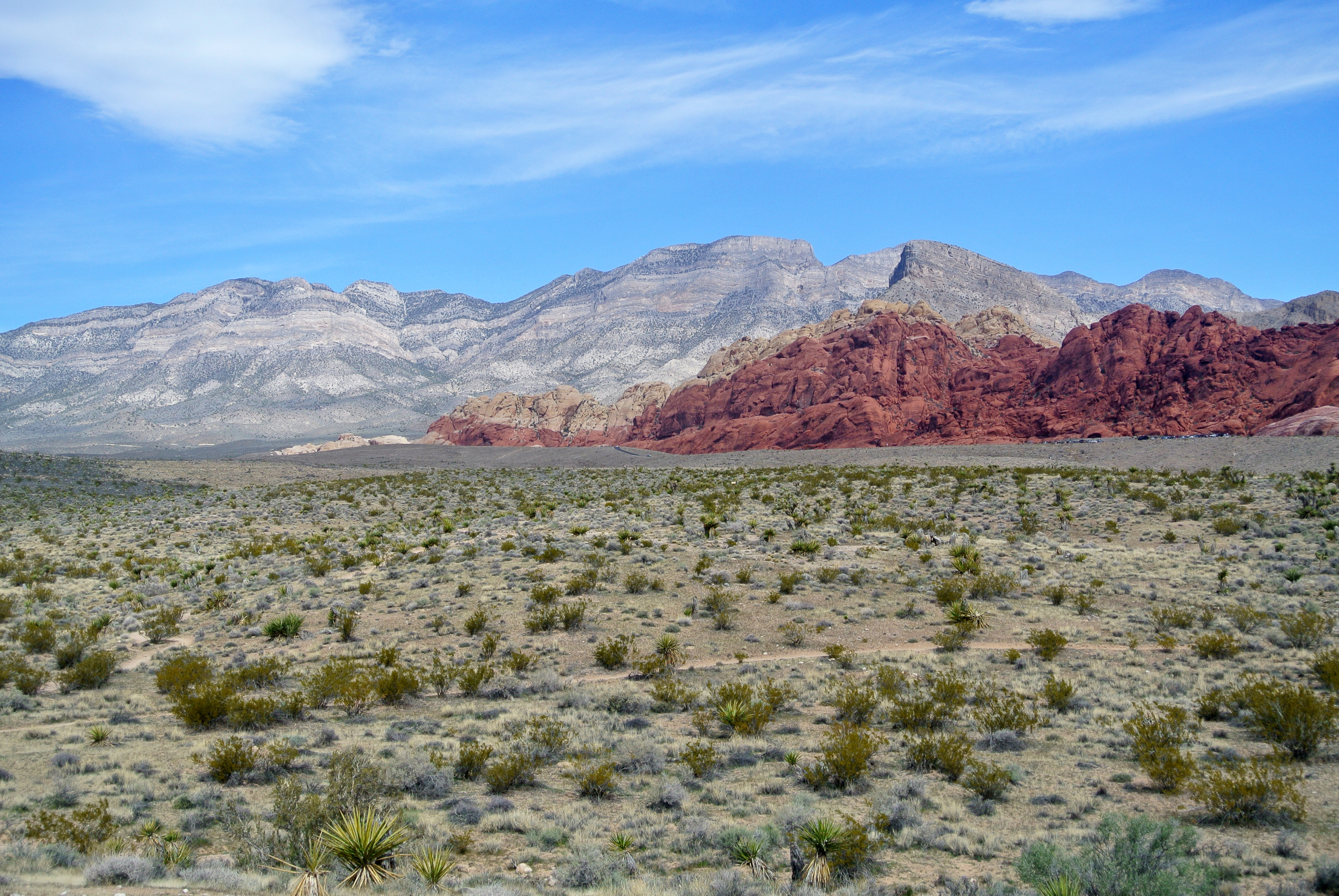
The geological story of Red Rock Canyon began millions of years ago, a dramatic narrative of tectonic forces and erosion. The iconic red sandstone formations are primarily a result of the Keystone Thrust, a massive geological event where older, heavier rock layers were pushed up and over younger ones, creating the dramatic escarpments seen today. Indigenous peoples, including the Southern Paiute and Mojave tribes, have inhabited this region for millennia, leaving behind evidence of their presence in the form of petroglyphs and archaeological sites, such as those found at Petroglyph Canyon. European American exploration and settlement in the 19th century brought increased attention to the area's resources, though its designation as a protected landscape is a more recent development. In 1964, Congress established Red Rock Canyon as a National Conservation Area, a designation managed by the Bureau of Land Management (BLM), recognizing its ecological and recreational significance. This act was a crucial step in preserving the canyon from unchecked development, a concern that has persisted throughout its history.
⚙️ How It Works
Hiking in Red Rock Canyon is facilitated by a well-developed infrastructure designed to balance visitor access with conservation. The centerpiece is the 13-mile Scenic Drive, a one-way loop that guides vehicles through the heart of the conservation area. Numerous pull-offs and parking areas along this route serve as trailheads for a diverse array of hiking paths. These trails range from paved, accessible paths like the Calico Basin Trail to strenuous, off-trail scrambles up peaks like La Madre Mountain. The trails are generally well-marked, though some require navigation skills, particularly those venturing into more remote canyons. The elevation gain can be significant, with trails often ascending thousands of feet, offering panoramic views of the Mojave Desert and the Las Vegas valley. Hikers should be prepared for desert conditions, including extreme temperatures, limited water sources, and potential encounters with desert wildlife.
📊 Key Facts & Numbers
Red Rock Canyon National Conservation Area is a titan of outdoor recreation, attracting an estimated 3 million visitors each year, a figure that has seen consistent growth. The 13-mile scenic loop road alone sees hundreds of thousands of vehicle trips annually. Within the conservation area, there are over 26 marked hiking trails, covering more than 30 miles of designated routes, with an additional 100 miles of unmaintained trails for experienced adventurers. The highest point, La Madre Mountain, stands at 8,154 feet, offering a challenging summit for dedicated hikers. Rock climbing is also a major draw, with over 2,000 established climbing routes. The visitor center, located at the start of the scenic drive, serves over 500,000 people annually, providing essential information and educational programs. These numbers underscore the immense popularity and economic importance of Red Rock Canyon for the Las Vegas region.
👥 Key People & Organizations
The Bureau of Land Management (BLM) is the primary steward of Red Rock Canyon, responsible for its management, conservation, and visitor services. The Red Rock Canyon Visitor Center, a key facility, is staffed by BLM rangers and volunteers. Beyond the federal agency, numerous local and national organizations play a role in advocating for and supporting the conservation area. The Friends of Red Rock Canyon is a prominent non-profit organization that works closely with the BLM to fundraise for trail maintenance, educational programs, and conservation initiatives. Local hiking groups, such as the Las Vegas Hikers, are instrumental in organizing group hikes and raising awareness about responsible recreation. Climbing organizations like the Access Fund also engage in advocacy to ensure continued access for climbers while promoting Leave No Trace principles. These entities collectively form a network dedicated to preserving Red Rock Canyon's natural and recreational values.
🌍 Cultural Impact & Influence
Red Rock Canyon hiking has become deeply ingrained in the cultural identity of Southern Nevada, serving as a vital counterpoint to the glitz and glamour of Las Vegas. It's a place where locals and tourists alike seek solace, adventure, and a connection with the natural world. The dramatic red rock formations have served as a backdrop for countless photographs, films, and television shows, further cementing their iconic status. The conservation area's accessibility has made it a symbol of outdoor recreation opportunities available just minutes from a major metropolitan center, influencing perceptions of desert landscapes. Furthermore, the presence of ancient petroglyphs within the canyon highlights its deep historical and cultural significance, connecting modern visitors to the region's earliest inhabitants. The sheer volume of visitors, exceeding 3 million annually, demonstrates its powerful draw and its role as a significant cultural touchstone.
⚡ Current State & Latest Developments
In recent years, Red Rock Canyon has grappled with the challenges of increasing visitor numbers, leading to the implementation of new management strategies. In 2018, the BLM introduced a timed entry permit system for the scenic loop during peak hours to alleviate congestion and improve the visitor experience. This system, which requires reservations booked online in advance, aims to manage the flow of traffic and reduce the environmental impact of overcrowding. The conservation area continues to see ongoing trail maintenance and restoration projects, often supported by organizations like the Friends of Red Rock Canyon. Efforts are also underway to enhance educational programming and outreach, focusing on desert ecology, Leave No Trace principles, and the area's cultural history. The BLM is also monitoring the impacts of climate change on the fragile desert ecosystem, exploring adaptive management strategies for long-term sustainability.
🤔 Controversies & Debates
The most persistent controversy surrounding Red Rock Canyon hiking revolves around visitor management and access. The implementation of the timed entry permit system, while lauded by some for reducing congestion, has drawn criticism from others who view it as a barrier to spontaneous visits. Debates also arise regarding the balance between recreational use and the preservation of the fragile desert environment. Concerns about trail erosion, habitat fragmentation, and the impact of human activity on wildlife, particularly desert tortoises and bighorn sheep, are ongoing. Furthermore, discussions about the appropriate level of development within and around the conservation area, such as potential infrastructure expansions or the impact of nearby urban growth, remain a point of contention. The BLM continually navigates these competing interests to ensure the long-term health of the landscape.
🔮 Future Outlook & Predictions
The future of Red Rock Canyon hiking is intrinsically linked to evolving visitor management strategies and the impacts of climate change. As visitor numbers are projected to continue rising, the BLM will likely refine and potentially expand the timed entry system or explore other reservation-based access models to ensure a sustainable visitor experience. Increased focus on conservation science, including monitoring wildlife populations and the effects of drought and rising temperatures on desert flora, will be crucial. There's also a growing emphasis on promoting dispersed recreation and educating visitors about responsible practices to mitigate impact on less-trafficked areas. The potential for expanded educational outreach, leveraging technology for virtual tours or augmented reality experiences, could also shape how people engage with the canyon's natural and cultural heritage in the coming decades.
💡 Practical Applications
Red Rock Canyon hiking offers a direct pathway to experiencing the unique biodiversity and geological wonders of the Mojave Desert. For outdoor enthusiasts, it provides a readily accessible venue for cardiovascular exercise, stress relief, and immersion in nature, just a short drive from a major urban center. The trails serve as living laboratories for studying desert ecology, geology, and the adaptations of desert-adapted species. For the Las Vegas Valley, the conservation area acts as a critical green lung, offering a vital recreational outlet that enhances the quality o
Key Facts
- Category
- nature
- Type
- topic