
Contents
- 🚗 Origins & History
- ⚙️ How It Works
- 📊 Key Facts & Numbers
- 👥 Key People & Organizations
- 🌍 Cultural Impact & Influence
- ⚡ Current State & Latest Developments
- 🤔 Controversies & Debates
- 🔮 Future Outlook & Predictions
- 💡 Practical Applications
- 📚 Related Topics & Deeper Reading
- Frequently Asked Questions
- References
- Related Topics
Overview
Range anxiety refers to the fear that a vehicle, particularly an electric vehicle (EV), has insufficient energy storage to cover the road distance needed to reach its intended destination. This phenomenon has been a significant psychological barrier to the widespread adoption of electric cars, with the term first being reported in the press in 1997. As of 2010, General Motors attempted to trademark the term to promote public awareness of electric vehicle capabilities. The concept of range anxiety has been extensively studied, with various strategies being developed to alleviate it, including the expansion of charging infrastructure, improvements in battery technology, and the development of range-anxiety-reducing features in EVs. With the growing demand for sustainable transportation, understanding and addressing range anxiety is crucial for the mass adoption of electric vehicles. According to a study by the National Renewable Energy Laboratory, 71% of potential EV buyers consider range anxiety a significant concern. The Norwegian Language Council recognized the equivalent term 'rekkeviddeangst' as one of the words of the year in 2013, highlighting the global relevance of this issue. As the world transitions to more sustainable transportation options, mitigating range anxiety will be essential for the success of electric vehicles, with companies like Tesla and Volkswagen investing heavily in charging infrastructure and battery technology.
🚗 Origins & History
The concept of range anxiety was first reported in the press on September 1, 1997, in the San Diego Business Journal by Richard Acello, referring to worries of GM EV1 electric car drivers. The term gained prominence in the 2010s, with General Motors filing to trademark it on July 6, 2010, to promote public awareness of electric vehicle capabilities. The Norwegian Language Council recognized the equivalent term 'rekkeviddeangst' as one of the words of the year in 2013, highlighting the global relevance of this issue. The history of range anxiety is closely tied to the development of electric vehicles, with pioneers like Nissan and Tesla working to address this concern through innovative technologies and charging solutions.
⚙️ How It Works
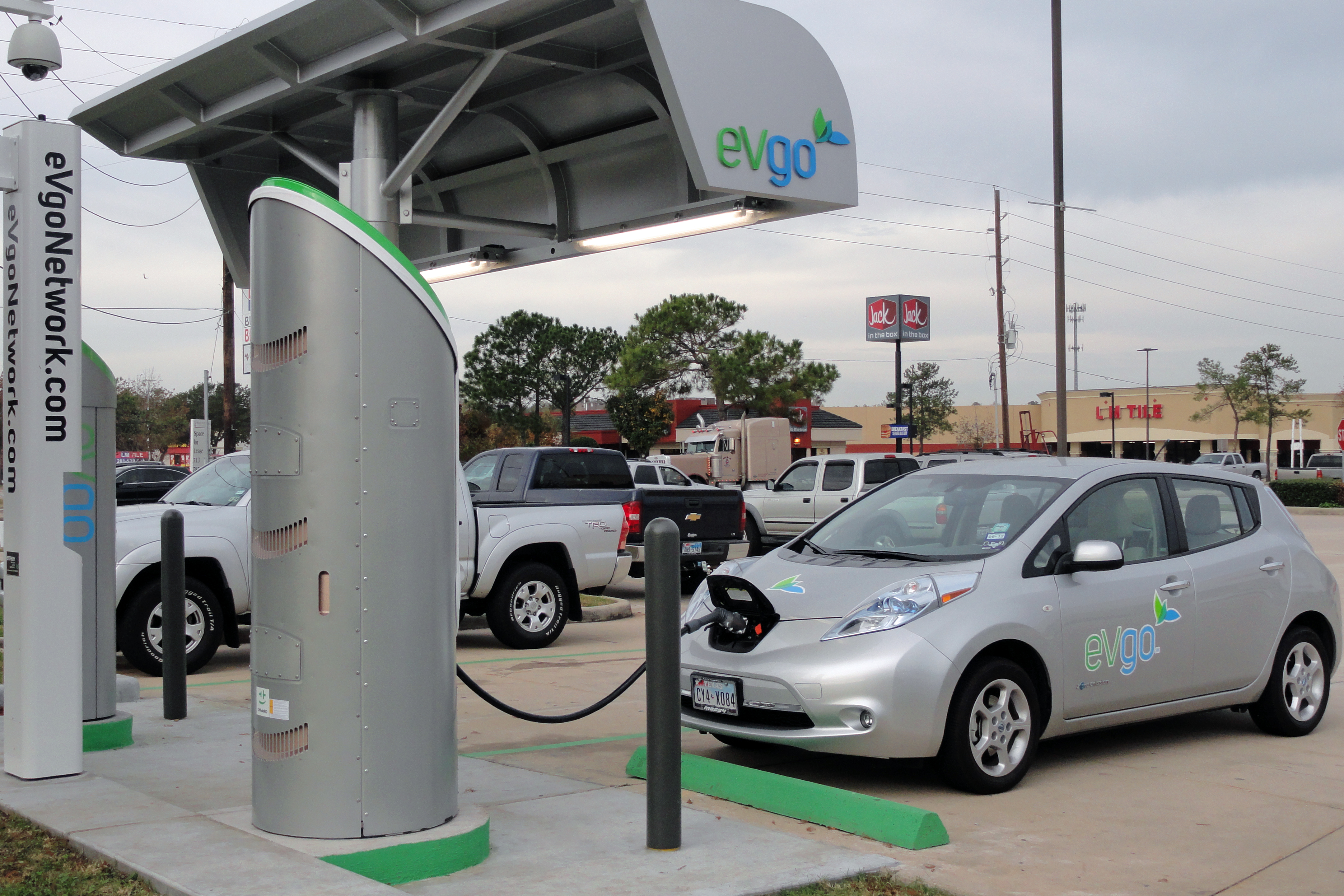
Range anxiety is primarily driven by the limited range of electric vehicles compared to their gasoline-powered counterparts. The average range of an electric vehicle is around 250 miles, although this can vary significantly depending on the model and manufacturer. For example, the Tesla Model S has a range of up to 373 miles, while the Nissan Leaf has a range of up to 226 miles. The fear of running out of charge on the road is exacerbated by the relatively limited charging infrastructure, particularly in rural areas. However, companies like ChargePoint and EVgo are working to expand the charging network, making long-distance travel in electric vehicles more feasible.
📊 Key Facts & Numbers
According to a study by the National Renewable Energy Laboratory, 71% of potential EV buyers consider range anxiety a significant concern. The average range of an electric vehicle is around 250 miles, although this can vary significantly depending on the model and manufacturer. For example, the Tesla Model S has a range of up to 373 miles, while the Nissan Leaf has a range of up to 226 miles. In 2020, there were over 20,000 public charging stations in the United States, with this number expected to grow significantly in the coming years. The US Department of Energy has set a goal of having 500,000 public charging stations by 2025, which would help alleviate range anxiety and make electric vehicles more appealing to a wider audience.
👥 Key People & Organizations
Key people and organizations involved in addressing range anxiety include Elon Musk, CEO of Tesla, who has been a vocal advocate for the expansion of charging infrastructure. Other notable figures include Mary Barra, CEO of General Motors, and Herbert Diess, CEO of Volkswagen. Organizations like the National Renewable Energy Laboratory and the US Department of Energy are also playing a crucial role in promoting the adoption of electric vehicles and addressing range anxiety. The Electric Vehicle Council is another key organization working to educate consumers and promote the benefits of electric vehicles.
🌍 Cultural Impact & Influence
Range anxiety has had a significant cultural impact, with the term being recognized by the Norwegian Language Council as one of the words of the year in 2013. The phenomenon has also been referenced in popular culture, with TV shows like The Simpsons and South Park featuring episodes that address range anxiety. The New York Times and The Wall Street Journal have also published articles on the topic, highlighting its relevance to the general public. As electric vehicles become more mainstream, range anxiety is likely to become an increasingly important issue, with companies like Uber and Lyft investing in electric vehicle fleets and promoting sustainable transportation options.
⚡ Current State & Latest Developments
The current state of range anxiety is characterized by a growing awareness of the issue and a increasing number of solutions being developed to address it. Companies like Tesla and Volkswagen are investing heavily in charging infrastructure and battery technology, with the goal of making electric vehicles more appealing to a wider audience. The US Department of Energy has set a goal of having 500,000 public charging stations by 2025, which would help alleviate range anxiety and make electric vehicles more practical for long-distance travel. As the demand for sustainable transportation options continues to grow, addressing range anxiety will be essential for the success of electric vehicles, with companies like Google and Amazon investing in electric vehicle technology and promoting eco-friendly transportation solutions.
🤔 Controversies & Debates
There are several controversies and debates surrounding range anxiety, including the question of whether it is a legitimate concern or simply a perceived issue. Some argue that range anxiety is overblown and that electric vehicles are capable of meeting the needs of most drivers. Others argue that range anxiety is a significant barrier to the adoption of electric vehicles and that more needs to be done to address it. The American Petroleum Institute has been critical of electric vehicles, citing range anxiety as a major concern. However, companies like Tesla and Volkswagen are working to address these concerns through innovative technologies and charging solutions.
🔮 Future Outlook & Predictions
The future outlook for range anxiety is positive, with a growing number of solutions being developed to address the issue. Companies like Tesla and Volkswagen are investing heavily in charging infrastructure and battery technology, with the goal of making electric vehicles more appealing to a wider audience. The US Department of Energy has set a goal of having 500,000 public charging stations by 2025, which would help alleviate range anxiety and make electric vehicles more practical for long-distance travel. As the demand for sustainable transportation options continues to grow, addressing range anxiety will be essential for the success of electric vehicles, with companies like Google and Amazon investing in electric vehicle technology and promoting eco-friendly transportation solutions.
💡 Practical Applications
Practical applications for addressing range anxiety include the expansion of charging infrastructure, improvements in battery technology, and the development of range-anxiety-reducing features in EVs. Companies like ChargePoint and EVgo are working to expand the charging network, making long-distance travel in electric vehicles more feasible. The US Department of Energy has set a goal of having 500,000 public charging stations by 2025, which would help alleviate range anxiety and make electric vehicles more practical for long-distance travel. As the demand for sustainable transportation options continues to grow, addressing range anxiety will be essential for the success of electric vehicles.
Key Facts
- Year
- 1997
- Origin
- United States
- Category
- technology
- Type
- concept
Frequently Asked Questions
What is range anxiety?
Range anxiety is the fear that a vehicle has insufficient energy storage to cover the road distance needed to reach its intended destination. This phenomenon is particularly relevant to electric vehicles, which have limited range compared to gasoline-powered vehicles. According to a study by the National Renewable Energy Laboratory, 71% of potential EV buyers consider range anxiety a significant concern. The US Department of Energy has set a goal of having 500,000 public charging stations by 2025, which would help alleviate range anxiety and make electric vehicles more practical for long-distance travel.
How can range anxiety be addressed?
Range anxiety can be addressed through the expansion of charging infrastructure, improvements in battery technology, and the development of range-anxiety-reducing features in EVs. Companies like ChargePoint and EVgo are working to expand the charging network, making long-distance travel in electric vehicles more feasible. The US Department of Energy has set a goal of having 500,000 public charging stations by 2025, which would help alleviate range anxiety and make electric vehicles more practical for long-distance travel. As the demand for sustainable transportation options continues to grow, addressing range anxiety will be essential for the success of electric vehicles.
What is the current state of range anxiety?
The current state of range anxiety is characterized by a growing awareness of the issue and a increasing number of solutions being developed to address it. Companies like Tesla and Volkswagen are investing heavily in charging infrastructure and battery technology, with the goal of making electric vehicles more appealing to a wider audience. The US Department of Energy has set a goal of having 500,000 public charging stations by 2025, which would help alleviate range anxiety and make electric vehicles more practical for long-distance travel. As the demand for sustainable transportation options continues to grow, addressing range anxiety will be essential for the success of electric vehicles.
What are the implications of range anxiety for the adoption of electric vehicles?
Range anxiety has significant implications for the adoption of electric vehicles, as it can be a major barrier to purchase for many consumers. According to a study by the National Renewable Energy Laboratory, 71% of potential EV buyers consider range anxiety a significant concern. The US Department of Energy has set a goal of having 500,000 public charging stations by 2025, which would help alleviate range anxiety and make electric vehicles more practical for long-distance travel. As the demand for sustainable transportation options continues to grow, addressing range anxiety will be essential for the success of electric vehicles.
How can consumers mitigate range anxiety?
Consumers can mitigate range anxiety by researching the range of their electric vehicle, planning their routes in advance, and taking advantage of charging infrastructure. The US Department of Energy provides information on the development of charging infrastructure and the promotion of sustainable transportation options. The National Renewable Energy Laboratory is also a valuable resource for information on electric vehicles and range anxiety, with a focus on the technical aspects of electric vehicle technology. Companies like Tesla and Volkswagen are working to address range anxiety through innovative technologies and charging solutions.
What is the future outlook for range anxiety?
The future outlook for range anxiety is positive, with a growing number of solutions being developed to address the issue. Companies like Tesla and Volkswagen are investing heavily in charging infrastructure and battery technology, with the goal of making electric vehicles more appealing to a wider audience. The US Department of Energy has set a goal of having 500,000 public charging stations by 2025, which would help alleviate range anxiety and make electric vehicles more practical for long-distance travel. As the demand for sustainable transportation options continues to grow, addressing range anxiety will be essential for the success of electric vehicles.
What are the key factors influencing range anxiety?
The key factors influencing range anxiety include the range of the electric vehicle, the availability of charging infrastructure, and the driver's behavior and habits. According to a study by the National Renewable Energy Laboratory, 71% of potential EV buyers consider range anxiety a significant concern. The US Department of Energy has set a goal of having 500,000 public charging stations by 2025, which would help alleviate range anxiety and make electric vehicles more practical for long-distance travel. As the demand for sustainable transportation options continues to grow, addressing range anxiety will be essential for the success of electric vehicles.