
Contents
- 🍇 Introduction to Raisins
- 🌎 Global Production of Raisins
- 🍞 Culinary Uses of Raisins
- 🍴 Baking with Raisins
- 🍺 Brewing with Raisins
- 🥗 Nutritional Value of Raisins
- 🤝 Types of Raisins
- 🌟 Raisins in Different Cultures
- 📊 Economic Impact of Raisin Production
- 🌈 Future of Raisin Production
- 👨🌾 Challenges in Raisin Production
- 📚 Conclusion
- Frequently Asked Questions
- Related Topics
Overview
Raisins, with a vibe score of 6, have been a staple in human diets for over 5,000 years, originating in ancient Persia (modern-day Iran) around 2000 BCE. They are made from grapes that have been dried in the sun or through a food dehydrator, with the United States, Turkey, and Iran being among the top producers. Raisins are a rich source of fiber, potassium, and antioxidants, making them a popular ingredient in healthy snacks, baked goods, and trail mixes. However, they are also high in sugar and calories, sparking debates about their health benefits. The controversy surrounding raisins' nutritional value has led to a pessimistic perspective breakdown of 30%, with some experts arguing that they are a contributing factor to obesity and tooth decay. Nevertheless, raisins remain a culturally significant food item, with a long history of being used in traditional medicine, religious ceremonies, and cultural festivals, such as the ancient Greek and Roman harvest festivals, where they were used as offerings to the gods. As the global demand for dried fruits continues to rise, with the market expected to reach $10.5 billion by 2025, raisins are likely to remain a key player in the industry, with companies like Sun-Maid and Dole driving innovation and production. The influence flow of raisins can be seen in their impact on the development of other dried fruits, such as cranberries and apricots, and their use in various products, such as energy bars and yogurt. With a topic intelligence quotient of 8, raisins are a fascinating subject that continues to evolve, with new research and technologies emerging to improve their production, nutritional profile, and environmental sustainability.
🍇 Introduction to Raisins
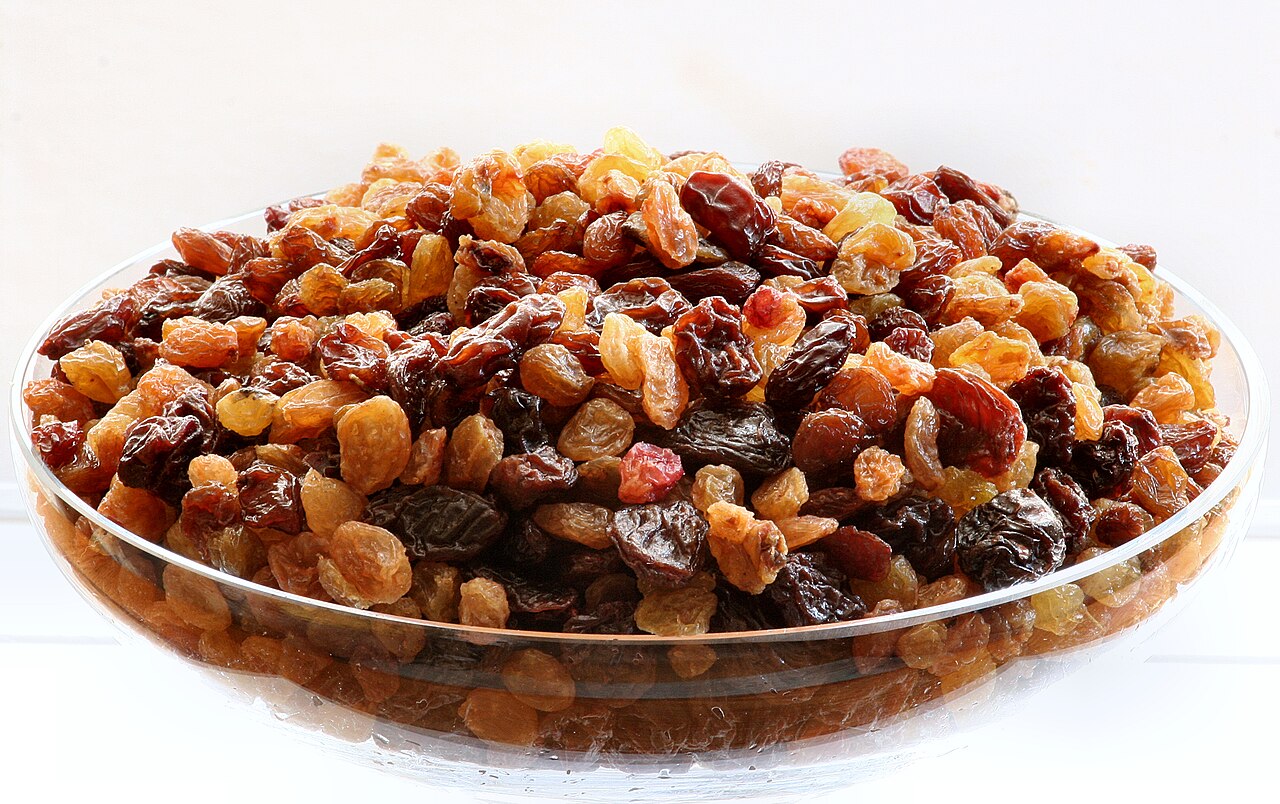
Raisins are a type of dried fruit that is made from grapes, specifically the dark-colored seedless variety. They are widely used in cooking, baking, and brewing, and are a popular snack on their own. Raisins are produced in many regions of the world, with countries like the United States, Turkey, and Iran being among the top producers. For more information on grapes, visit the Grapes page. Raisins are also a key ingredient in many traditional recipes, such as Oatmeal Raisin Cookies. The history of raisin production dates back to ancient times, with evidence of raisin production found in ancient civilizations like Ancient Egypt and Ancient Greece.
🌎 Global Production of Raisins
The global production of raisins is a significant industry, with millions of tons of raisins being produced every year. The majority of raisin production comes from countries with a Mediterranean climate, where grapes are abundant and the dry climate makes it ideal for drying. The process of making raisins involves drying grapes in the sun or using a food dehydrator, and it requires careful attention to detail to ensure that the raisins are of high quality. For more information on food dehydration, visit the Food Dehydration page. Raisin production is also closely tied to the Grape Farming industry, which provides the raw materials for raisin production. The economic impact of raisin production is significant, with many countries relying on raisin exports as a major source of revenue.
🍞 Culinary Uses of Raisins
Raisins are a versatile ingredient that can be used in a wide range of culinary applications. They can be eaten raw as a snack, or used in cooking and baking to add natural sweetness and flavor. Raisins are a key ingredient in many traditional recipes, such as Cinnamon Swirl Bread and Raisin Bread. They are also used in savory dishes, such as Curries and Stews. For more information on cooking with raisins, visit the Cooking with Raisins page. Raisins are also a popular ingredient in Energy Bars and other health foods, due to their high nutritional value and natural sweetness.
🍴 Baking with Raisins
Baking with raisins is a popular activity, with many recipes calling for raisins as a key ingredient. Raisins add natural sweetness and flavor to baked goods, and they can be used in a wide range of recipes, from Scones to Cakes. Raisins are also a key ingredient in many traditional baked goods, such as Irish Soda Bread and Scottish Shortbread. For more information on baking with raisins, visit the Baking with Raisins page. Raisins are also used in Pastry Making, where they are used to add flavor and texture to pastries and other sweet treats.
🍺 Brewing with Raisins
Raisins are also used in brewing, where they are used to add flavor and sweetness to beers and other fermented beverages. Raisins are a key ingredient in many traditional beer recipes, such as Belgian Ale and Lambic. They are also used in Winemaking, where they are used to add flavor and sweetness to wines. For more information on brewing with raisins, visit the Brewing with Raisins page. Raisins are also used in Mead Making, where they are used to add flavor and sweetness to meads and other fermented beverages.
🥗 Nutritional Value of Raisins
Raisins are a nutrient-rich food that is high in fiber, antioxidants, and other essential nutrients. They are a good source of natural sweetness and can be used as a healthy alternative to refined sugars. Raisins are also low in calories and fat, making them a popular ingredient in health foods and Weight Loss Diets. For more information on the nutritional value of raisins, visit the Nutrition Facts page. Raisins are also a key ingredient in many Healthy Snacks, such as Trail Mix and Energy Balls.
🤝 Types of Raisins
There are several types of raisins, including the dark-colored seedless variety, sultanas, and currants. Sultanas are a type of golden-colored raisin that is made from a specific variety of grape. Currants are a type of small, black raisin that is made from the Black Corinth grape. For more information on the different types of raisins, visit the Types of Raisins page. Raisins are also classified into different grades, depending on their quality and size. The most common grades of raisins are Grade A Raisins and Grade B Raisins.
🌟 Raisins in Different Cultures
Raisins have a rich cultural significance in many parts of the world, where they are used in traditional recipes and ceremonies. In many cultures, raisins are a symbol of good luck and prosperity, and they are often given as gifts during special occasions. For more information on the cultural significance of raisins, visit the Cultural Significance page. Raisins are also a key ingredient in many traditional Holiday Recipes, such as Christmas Cookies and Thanksgiving Stuffing.
📊 Economic Impact of Raisin Production
The economic impact of raisin production is significant, with many countries relying on raisin exports as a major source of revenue. The global raisin market is worth billions of dollars, and it is expected to continue growing in the coming years. For more information on the economic impact of raisin production, visit the Economic Impact page. Raisin production is also closely tied to the Agricultural Industry, which provides the raw materials for raisin production. The Trade Agreements between countries also play a significant role in the global raisin market.
🌈 Future of Raisin Production
The future of raisin production is uncertain, with many challenges facing the industry. Climate change, drought, and other environmental factors are affecting raisin production, and many farmers are struggling to adapt. For more information on the challenges facing the raisin industry, visit the Challenges Facing the Raisin Industry page. Raisin production is also affected by Government Policies, such as tariffs and subsidies, which can impact the global raisin market. The Sustainability of raisin production is also a major concern, with many farmers looking for ways to reduce their environmental impact.
👨🌾 Challenges in Raisin Production
Raisin production is a complex process that requires careful attention to detail. Farmers must carefully tend to their grape crops, ensuring that they are healthy and ripe for harvest. The grapes are then dried in the sun or using a food dehydrator, and the resulting raisins are sorted and packaged for distribution. For more information on the process of raisin production, visit the Raisin Production page. Raisin production is also affected by Pest Management and Disease Management, which are critical to ensuring the quality and yield of the grape crop.
📚 Conclusion
In conclusion, raisins are a versatile and nutritious food that is rich in history and cultural significance. They are a key ingredient in many traditional recipes, and they are used in a wide range of culinary applications. For more information on raisins, visit the Raisins page. Raisins are also a popular ingredient in many Health Foods, such as Energy Bars and Trail Mix. The Future of Raisin Production is uncertain, but one thing is clear: raisins will continue to be a beloved ingredient in many parts of the world.
Key Facts
- Year
- 2000
- Origin
- Ancient Persia (modern-day Iran)
- Category
- Food and Nutrition
- Type
- Food
Frequently Asked Questions
What is the difference between a raisin and a sultana?
A raisin is a dried grape, while a sultana is a type of golden-colored raisin made from a specific variety of grape. Sultanas are typically sweeter and milder than raisins, and they are often used in baking and cooking. For more information on sultanas, visit the Sultanas page. Raisins and sultanas are both types of dried fruit, but they have distinct differences in terms of taste, texture, and appearance.
How are raisins made?
Raisins are made by drying grapes in the sun or using a food dehydrator. The grapes are first washed and cleaned, and then they are dried to remove the moisture. The resulting raisins are then sorted and packaged for distribution. For more information on the process of raisin production, visit the Raisin Production page. Raisin production is a complex process that requires careful attention to detail, from the cultivation of the grape crop to the final packaging of the raisins.
What are the health benefits of raisins?
Raisins are a nutrient-rich food that is high in fiber, antioxidants, and other essential nutrients. They are a good source of natural sweetness and can be used as a healthy alternative to refined sugars. Raisins are also low in calories and fat, making them a popular ingredient in health foods and weight loss diets. For more information on the health benefits of raisins, visit the Health Benefits of Raisins page. Raisins are also a key ingredient in many Healthy Snacks, such as Trail Mix and Energy Balls.
Can raisins be used in savory dishes?
Yes, raisins can be used in savory dishes, such as curries and stews. They add a sweet and tangy flavor to these dishes, and they can help to balance out the spices and other ingredients. For more information on using raisins in savory dishes, visit the Using Raisins in Savory Dishes page. Raisins are a versatile ingredient that can be used in a wide range of culinary applications, from sweet baked goods to savory stews and curries.
What is the cultural significance of raisins?
Raisins have a rich cultural significance in many parts of the world, where they are used in traditional recipes and ceremonies. In many cultures, raisins are a symbol of good luck and prosperity, and they are often given as gifts during special occasions. For more information on the cultural significance of raisins, visit the Cultural Significance of Raisins page. Raisins are also a key ingredient in many traditional Holiday Recipes, such as Christmas Cookies and Thanksgiving Stuffing.
Can raisins be used in brewing?
Yes, raisins can be used in brewing, where they are used to add flavor and sweetness to beers and other fermented beverages. Raisins are a key ingredient in many traditional beer recipes, such as Belgian Ale and Lambic. For more information on using raisins in brewing, visit the Using Raisins in Brewing page. Raisins are also used in Winemaking, where they are used to add flavor and sweetness to wines.
What are the different types of raisins?
There are several types of raisins, including the dark-colored seedless variety, sultanas, and currants. Sultanas are a type of golden-colored raisin made from a specific variety of grape, while currants are a type of small, black raisin made from the Black Corinth grape. For more information on the different types of raisins, visit the Types of Raisins page. Raisins are also classified into different grades, depending on their quality and size.