
Contents
Overview
Purgatory, a concept deeply rooted in Catholic theology, transcends its religious origins to become a potent literary device. It represents an intermediate state after death, a place of purification for souls destined for Heaven but not yet fully cleansed of temporal punishment or attachments. In literature, this liminal space is not merely a theological concept but a rich metaphorical landscape where authors probe themes of sin, repentance, divine justice, and the arduous journey toward salvation. From Dante Alighieri's monumental Divine Comedy to modern explorations, purgatory serves as a crucible for character development, a stage for divine reckoning, and a reflection of humanity's enduring struggle with imperfection and the hope for ultimate peace. Its literary manifestations vary wildly, from fiery landscapes to serene, introspective realms, each reflecting the author's theological or philosophical perspective and the cultural anxieties of their time.
🎵 Origins & History
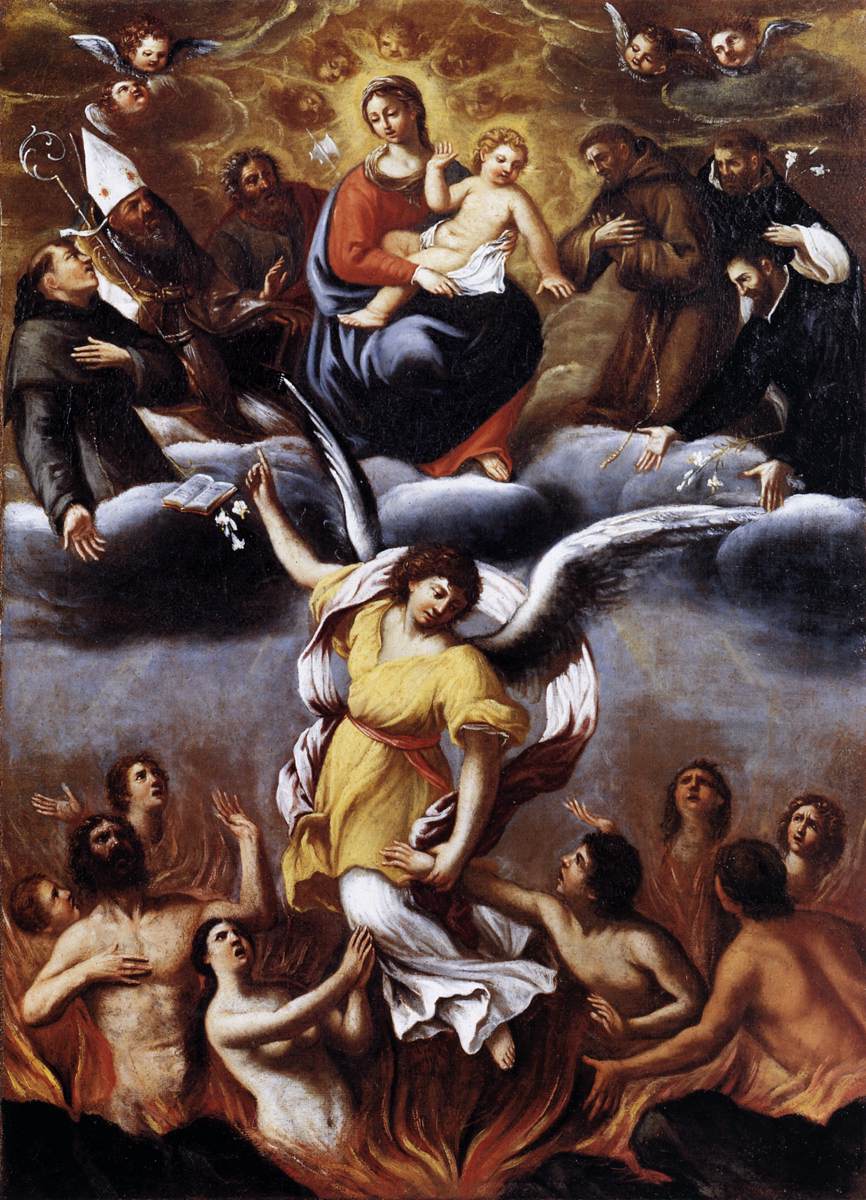
The literary concept of purgatory finds its most profound and enduring articulation in the medieval period, particularly within the Christian West. While the theological underpinnings solidified in Catholic doctrine, the idea of a post-mortem purification process has echoes in earlier traditions, such as the Greek concept of Hades or the Egyptian Book of the Dead. Early literary treatments often depicted purgatory as a place of intense suffering, a temporal punishment akin to hell but with the assurance of eventual salvation. This imagery was heavily influenced by sermons, theological treatises, and popular devotional literature, shaping the collective imagination of what this intermediate state entailed.
⚙️ Literary Manifestations
Literary purgatory is rarely a static, monolithic entity; its form and function shift dramatically across genres and eras. Dante Alighieri's Purgatorio in the Divine Comedy remains the archetypal literary depiction: a seven-terraced mountain where souls actively purge their sins through penance and contemplation, guided by angelic figures and the wisdom of historical exemplars. Later, during the Renaissance and Reformation, the concept was often challenged or reinterpreted. Protestant reformers, rejecting the Catholic doctrine, frequently portrayed purgatory as a papal invention or a dangerous illusion. Yet, the idea of a transitional, purifying state persisted, manifesting in secularized forms as psychological journeys of self-discovery, existential crises, or periods of intense personal trial and transformation, as seen in works by authors like C.S. Lewis and John Milton.
📊 Key Facts & Numbers
The literary engagement with purgatory is vast, spanning centuries and continents. The concept has been invoked in numerous literary works across Western literature alone. Dante's Divine Comedy is a cornerstone of this engagement. The average duration of a character's 'purgatorial' experience in literature can range from a few chapters to an entire novel, with some studies suggesting an average of 50-100 pages dedicated to such transformative arcs.
👥 Key Figures & Works
Key figures and works have indelibly shaped the literary landscape of purgatory. Dante Alighieri's Divine Comedy is paramount in shaping the literary landscape of purgatory. Catherine of Genoa offered a more introspective, less fiery vision of purgatory as a state of intense longing for God, influencing later theological and literary interpretations. In the 20th century, C.S. Lewis's The Great Divorce presents a metaphorical journey from a spectral, purgatorial city to the freedom of Heaven, emphasizing free will in the process. John Milton's Paradise Lost also touches upon the concept, particularly in its depiction of Satan's fallen state and the potential for redemption. More recently, authors like Alice McDermott in After This have explored purgatorial themes in contemporary settings.
🌍 Cultural Impact & Influence
The literary exploration of purgatory has had a profound impact on Western culture, shaping not only theological discourse but also artistic expression and philosophical thought. It provided a framework for understanding suffering, justice, and the possibility of redemption in a way that resonated with a broad audience. The vivid imagery from works like Dante's Divine Comedy has been endlessly reproduced in painting, sculpture, and theatre, influencing artists like Botticelli and William Blake. Beyond religious contexts, the concept of purgatory has seeped into secular language, with phrases like 'a purgatorial existence' describing any prolonged period of unpleasantness or waiting. This enduring cultural presence underscores its power as a metaphor for human struggle and the yearning for a better state.
⚡ Contemporary Portrayals
Contemporary literature continues to engage with purgatorial themes, often detaching them from strict theological dogma. Characters in literature may be trapped in cycles of memory, reliving past events, or experiencing a prolonged period of existential crisis before achieving clarity or peace. For instance, in Alice McDermott's After This, the characters grapple with loss and faith in a way that evokes a sense of purgatorial waiting. Similarly, speculative fiction and fantasy genres often create unique afterlives or transitional realms that echo purgatorial concepts, allowing for explorations of consequence and transformation without adhering to traditional religious frameworks. The focus is less on divine judgment and more on internal reconciliation and personal growth.
🤔 Controversies & Debates
The very concept of purgatory is inherently controversial, both theologically and literarily. The doctrine of purgatory has been a point of contention, particularly between Catholic and Protestant traditions. Martin Luther denounced purgatory in his Ninety-five Theses, viewing it as a perversion of salvation by grace. Literarily, debates arise over the nature of suffering in purgatory: is it punitive or restorative? Is it a place of divine mercy or a terrifying, prolonged torment? Authors often take liberties, creating their own versions that may align with or deviate from established doctrine, leading to discussions about theological accuracy versus artistic license. The secularization of purgatorial themes also raises questions about whether these concepts retain their original meaning or become diluted into mere metaphors for hardship.
🔮 Future Outlook & Predictions
The future of purgatory in literature likely lies in its continued adaptation and secularization. As societies become more diverse and less uniformly religious, authors may increasingly explore purgatorial themes through psychological, existential, or even scientific lenses. We might see more narratives focusing on the 'purgatorial' aspects of artificial intelligence, virtual reality, or societal collapse, where characters undergo intense purification or transformation through technological or environmental upheaval. The core idea of a necessary, often painful, intermediate stage before a final state of resolution or peace is likely to remain a potent narrative engine. The challenge for future writers will be to imbue these modern interpretations with the same emotional weight and philosophical depth that characterized earlier literary engagements with the concept.
💡 Thematic Significance
Thematic significance is where purgatory truly shines as a literary device. It offers a powerful framework for exploring the complexities of sin and redemption, the nature of divine justice, and the human capacity for growth and change. Purgatory allows authors to depict a process of purification that is earned, not simply granted, highlighting the active role individuals play in their own salvation or self-improvement. It provides a space for characters to confront their deepest flaws, make amends, and achieve a state of grace or enlightenment through suffering and introspection. This concept of earned redemption, of a journey through hardship towards a better state, resonates deeply with the human experience of overcoming adversity and striving for personal betterment, making it a timeless narrative tool.
Key Facts
- Category
- culture
- Type
- topic