
Contents
Overview
A public plaza, also known as a town square, urban square, or city square, is an open public space commonly found in the heart of a traditional town or city. These spaces are used for various events. The term 'public square' is synonymous with the politics of many cultures, and the names of certain town squares have become symbolic of specific political movements. According to some sources, public plazas continue to play a vital role in modern urban planning, promoting social interaction, community engagement, and civic participation. As noted by Henry Lefebvre, a French philosopher, 'the production of space is a fundamental aspect of human society'. For example, the Piazza del Campo in Siena, Italy, is a well-known public plaza that features a unique shell-shaped design, while the Plaza Mayor in Madrid, Spain, is a historic public plaza that has been the site of many important events throughout history.
🏙️ Origins & History
The concept of a public plaza is reportedly rooted in history, with examples such as the Agora in ancient Greece and the Forum Romanum in ancient Rome. These spaces served as the heart of the city, where citizens would gather to socialize, conduct business, and engage in political discourse. Today, public plazas continue to play a role in urban planning, with many cities incorporating these spaces into their design.
📈 How It Works
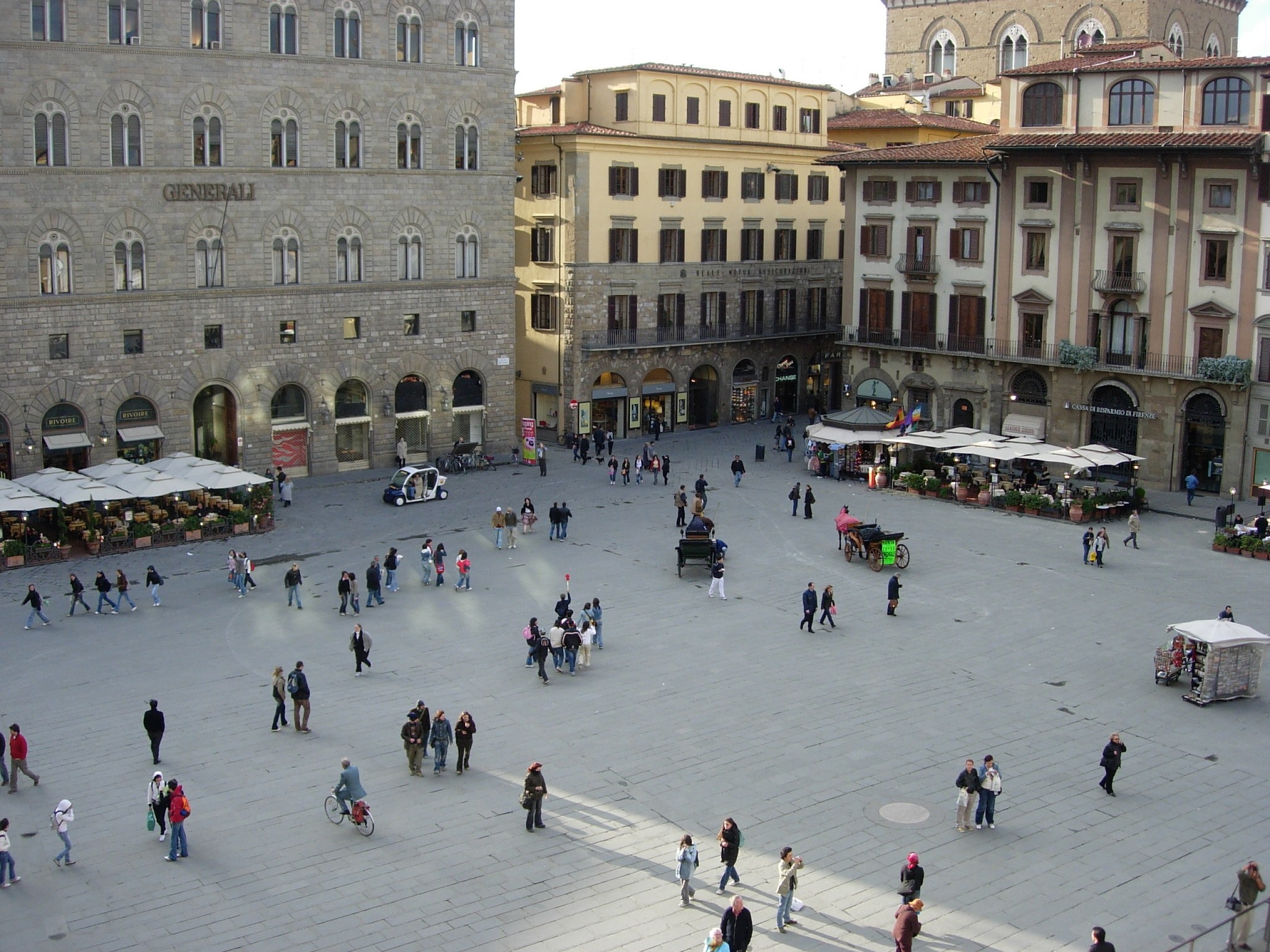
A public plaza typically features a hardscape, such as pavement or stone, which provides a firm ground for various activities. The space is often surrounded by small shops, cafes, and restaurants, which contribute to the vibrant atmosphere of the plaza. At the center of the plaza, there may be a well, monument, statue, or fountain, which serves as a focal point and adds to the aesthetic appeal of the space.
📊 Key Facts & Numbers
Some key facts and numbers about public plazas include: public plazas can have a positive impact on mental and physical health, particularly in urban areas. As noted by Richard Sennett, a sociologist, 'the design of public spaces can have a profound impact on social cohesion and community engagement'.
👥 Key People & Organizations
Key people and organizations involved in the design and development of public plazas include urban planners, architects, and landscape architects. Other notable organizations include the American Institute of Architects and the Urban Land Institute, which provide guidelines and resources for designing and developing public plazas.
🌍 Cultural Impact & Influence
Public plazas have a significant cultural impact and influence on the surrounding community. According to some sources, they provide a space for social interaction, community engagement, and civic participation, which are essential for building strong, cohesive communities. For example, the Piazza Navona in Rome, Italy, is a public plaza that features several beautiful fountains and baroque architecture, while the Plaza de Armas in Lima, Peru, is a historic public plaza that has been the site of many important events throughout history.
⚡ Current State & Latest Developments
The current state of public plazas is one of evolution and adaptation. Many cities are incorporating public plazas into their design, and existing plazas are being renovated and updated to meet the needs of modern urban dwellers. As noted by Sharon Zukin, a sociologist, 'public spaces are not just physical spaces, but also social and cultural spaces'.
🤔 Controversies & Debates
There are also controversies and debates surrounding public plazas, particularly with regards to their design and management. Some argue that public plazas are being overly commercialized, while others argue that they are not being maintained properly.
🔮 Future Outlook & Predictions
Looking to the future, public plazas are likely to continue to play a role in urban planning and development. With the increasing focus on sustainability and community engagement, public plazas will become even more important as spaces for social interaction, community building, and civic participation.
💡 Practical Applications
Practical applications of public plazas include their use as spaces for community events, festivals, and markets. They can also serve as hubs for public transportation, providing easy access to the surrounding area.
Section 11
The Charter of Athens is a document that outlines the principles of urban planning and design, including the importance of public plazas and other public spaces.
Key Facts
- Category
- culture
- Type
- concept