
Contents
- 🔥 What Are Public Feuds?
- 📍 Where Do They Erupt?
- ⏰ When Do They Peak?
- 💰 The Cost of Conflict
- ⭐ Vibe Scores & Controversy Spectrum
- ⚔️ Key Players & Archetypes
- 📈 Influence Flows & Propagation
- 💡 Tactics & Counter-Tactics
- ⚖️ Legal & Ethical Minefields
- 🔮 The Future of Digital Disagreements
- 🛠️ Tools for Navigating Feuds
- 🚀 Getting Started with Vibepedia
- Frequently Asked Questions
- Related Topics
Overview
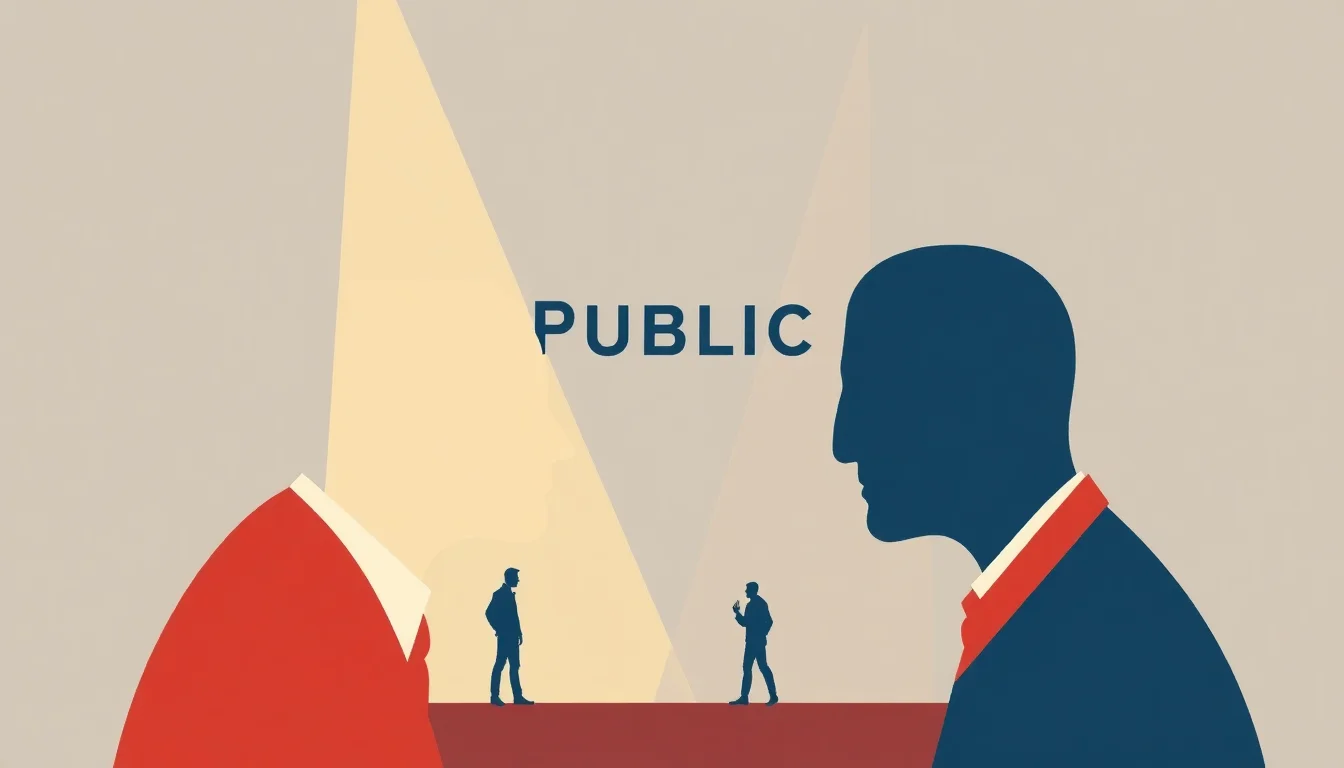
Public feuds, at their core, are sustained, visible conflicts between individuals, groups, or entities that spill into the public consciousness, primarily via digital channels. Think less about a fleeting argument and more about a protracted, often theatrical, battle of wills, reputations, and narratives. These aren't just disagreements; they are performances of conflict, designed to garner attention, rally support, and often, to inflict reputational damage. Vibepedia tracks these phenomena from their nascent stages in private messages to their explosive emergence on platforms like X, Reddit, and TikTok. Understanding their anatomy is crucial for anyone navigating the modern digital landscape, as they shape public opinion and influence cultural trends.
📍 Where Do They Erupt?
The primary battlegrounds for public feuds are digital platforms, but their origins can be far more diverse. They can ignite within specific online communities, such as gaming guilds or fandoms, before spilling onto broader social media. Major platforms like X serve as accelerants due to their real-time nature and public visibility, while YouTube and Twitch become arenas for video-based confrontations and commentary. Even seemingly innocuous platforms like LinkedIn can host professional feuds, demonstrating that no digital space is entirely immune. The physical world often plays a role too, with real-world events or statements triggering digital conflagrations.
⏰ When Do They Peak?
The lifecycle of a public feud is rarely linear. It often begins with a trigger event, perhaps a controversial statement, a perceived slight, or a public accusation. This is followed by an escalation phase, where each party issues counter-arguments, rallies supporters, and engages in doxing or public shaming. The peak of a feud is marked by maximum media attention, widespread public engagement, and often, significant reputational or financial consequences for those involved. Eventually, feuds may de-escalate, either through resolution, exhaustion, or the emergence of new, more compelling conflicts that capture public attention. Vibepedia's Vibe Scores can help track the intensity and cultural energy surrounding these events.
💰 The Cost of Conflict
The cost of engaging in or being subjected to a public feud extends far beyond emotional distress. For individuals, it can mean lost job opportunities, damaged personal relationships, and severe mental health tolls. For businesses and brands, feuds can lead to significant financial losses through boycotts, decreased sales, and the expense of crisis management. The reputational damage can be long-lasting, impacting future ventures and partnerships. Furthermore, the constant engagement required to maintain or defend one's position in a feud consumes immense amounts of time and energy, diverting resources from more productive pursuits. The Controversy Spectrum on Vibepedia quantifies the level of public contention surrounding such events.
⭐ Vibe Scores & Controversy Spectrum
Vibepedia assigns Vibe Scores to public feuds, measuring their cultural energy and resonance on a scale of 0-100. A high Vibe Score indicates widespread public interest, intense engagement, and significant cultural impact. Conversely, feuds with low Vibe Scores might be confined to niche communities or quickly forgotten. The Controversy Spectrum further categorizes feuds based on the level of public disagreement and polarization, ranging from 'Minor Disagreement' to 'Systemic Conflict'. Understanding these metrics helps gauge the true significance and potential longevity of a digital dispute, distinguishing fleeting online spats from impactful cultural moments.
⚔️ Key Players & Archetypes
Public feuds often feature distinct archetypes. There's the 'Instigator,' who often initiates the conflict with a provocative act. The 'Defender' is the target who retaliates, often with righteous indignation. 'Commentators' or 'Commentariat' are those who analyze, amplify, or even participate in the feud from the sidelines, often gaining their own notoriety. 'Supporters' or 'Stans' form online mobs, fiercely defending their chosen side. Finally, there are the 'Mediators' or 'Peacemakers,' who attempt to de-escalate the situation, though they are often drowned out. Recognizing these roles within a feud provides a framework for understanding the dynamics at play, as detailed in our Entity Relationships mapping.
📈 Influence Flows & Propagation
The Influence Flows within public feuds are complex and dynamic. Initial sparks can be fanned by influencers with large followings, rapidly amplifying the conflict beyond its original scope. News outlets and meme accounts then pick up the narrative, further shaping public perception. Algorithms on platforms like TikTok can inadvertently promote inflammatory content, creating echo chambers and reinforcing partisan viewpoints. The spread of misinformation or 'fake news' is a common tactic, making it difficult for the public to discern truth from fabrication. Vibepedia's analysis tracks how ideas and narratives propagate through these interconnected networks.
💡 Tactics & Counter-Tactics
Navigating a public feud requires a strategic understanding of digital tactics. Common strategies include 'Gish Gallops,' where one party overwhelms the other with a barrage of arguments, true or false. 'Whataboutism' is employed to deflect criticism by pointing to the opponent's perceived flaws. 'Straw Man arguments' misrepresent an opponent's position to make it easier to attack. On the defensive, individuals might employ 'strategic silence,' 'damage control,' or 'counter-narratives.' Understanding these Tactics & Counter-Tactics is essential for both participants and observers to critically assess the unfolding conflict and avoid being manipulated.
⚖️ Legal & Ethical Minefields
Public feuds are not merely social phenomena; they can quickly intersect with legal and ethical boundaries. Issues like defamation, libel, and slander can lead to lawsuits, with significant financial penalties. The spread of private information, or 'doxing,' is illegal in many jurisdictions and carries severe consequences. Ethical considerations arise around the spread of misinformation, the exploitation of vulnerable individuals, and the psychological impact on those targeted. Vibepedia's Topic Intelligence section often flags these legal and ethical dimensions as critical points of debate.
🔮 The Future of Digital Disagreements
The future of public feuds suggests an increasing integration with AI and advanced algorithmic amplification. We may see more sophisticated forms of digital manipulation, including AI-generated propaganda and deepfake evidence. The lines between individual disputes and larger ideological battles will likely blur further, with feuds becoming proxy wars for broader societal divisions. However, there's also a growing awareness and demand for digital accountability, potentially leading to more robust platform moderation and user education. The question remains: will technology escalate conflict, or will collective digital literacy provide a counterbalance? This is a key area for Futurist analysis on Vibepedia.
🚀 Getting Started with Vibepedia
Ready to explore the intricate world of public feuds? Vibepedia is your definitive guide. Start by browsing our Topic Intelligence reports on high-profile feuds, or use our Search Functionality to find specific individuals or events. For a deeper understanding of the mechanics, explore our articles on Social Dynamics and Internet Culture. If you're interested in contributing to our knowledge graph, consider joining our community forums. Our goal is to map the interconnectedness of digital conflict, providing actionable insights for navigating this complex terrain.
Key Facts
- Year
- 2023
- Origin
- Vibepedia.wiki
- Category
- Social Dynamics & Internet Culture
- Type
- Concept
Frequently Asked Questions
What's the difference between a public feud and a private argument?
A public feud is characterized by its visibility and public engagement. While a private argument is confined to the individuals involved, a public feud spills onto platforms like X or Reddit, attracting widespread attention, commentary, and often, the formation of online factions. The performative aspect is also key; public feuds are often staged for an audience, whereas private arguments are not.
Can public feuds be resolved?
Resolution is rare and often complex. Some feuds de-escalate due to exhaustion or the emergence of new conflicts. Others might see a formal or informal apology, but the damage to reputation can be permanent. In some cases, legal intervention or platform moderation can force an end. Vibepedia tracks the long-term impact of these resolutions, or lack thereof, on Entity Relationships.
How do algorithms contribute to public feuds?
Algorithms on platforms like TikTok and YouTube often prioritize engagement, which can inadvertently amplify inflammatory content, outrage, and divisive narratives. This creates echo chambers where users are primarily exposed to content that confirms their existing biases, making it harder to find common ground and easier to escalate conflicts. This is a key aspect of Influence Flows.
Is there a way to predict when a feud will become 'public'?
Predicting the exact moment a private dispute becomes a public feud is challenging. However, factors like the public profile of the individuals involved, the controversial nature of the topic, and the presence of third-party amplifiers (like influencers or media outlets) significantly increase the likelihood. Vibepedia's Vibe Scores can indicate when a conflict is gaining significant cultural traction.
What are the ethical implications of observing or participating in public feuds?
Observing feuds can be voyeuristic, but participating, even by sharing or commenting, can amplify negativity and contribute to harassment. Spreading unverified information or engaging in pile-ons raises serious ethical concerns. Vibepedia encourages critical engagement and provides tools like Controversy Spectrum analysis to help users understand the dynamics without necessarily contributing to the toxicity.