
Contents
- 🚀 What is Proxemics?
- 📏 The Four Zones of Personal Space
- 🌍 Cultural Variations in Proxemics
- 🏢 Proxemics in Public & Private Spaces
- 💡 Key Figures in Proxemics Research
- 🔬 How Proxemics Impacts Communication
- ⚖️ Debates and Criticisms in Proxemics
- 📈 The Future of Proxemics Research
- Frequently Asked Questions
- Related Topics
Overview
Proxemics, coined by anthropologist Edward T. Hall in 1963, is the study of how humans use space and the effects that population density has on behavior, communication, and social interaction. It examines the physical distances people maintain between themselves and others, and how these distances are influenced by cultural norms, social relationships, and individual preferences. Understanding proxemics is crucial for interpreting nonverbal cues, avoiding social faux pas, and fostering more effective communication across diverse cultural contexts. From the intimate space of a romantic partner to the public space of a lecture hall, these invisible zones dictate the comfort and dynamics of our daily encounters.
🚀 What is Proxemics?
Proxemics, a field pioneered by anthropologist Edward T. Hall, is the scientific study of how humans perceive, organize, and use space in their interactions. It's not just about how far apart people stand, but the unconscious messages conveyed through spatial arrangements. Think of it as the silent language of distance, a critical component of nonverbal communication alongside gestures and tone of voice. Understanding proxemics helps decode social cues, navigate complex social dynamics, and even design more effective environments. It’s a lens through which we can view everything from a casual chat on the street to the layout of a corporate office.
📏 The Four Zones of Personal Space
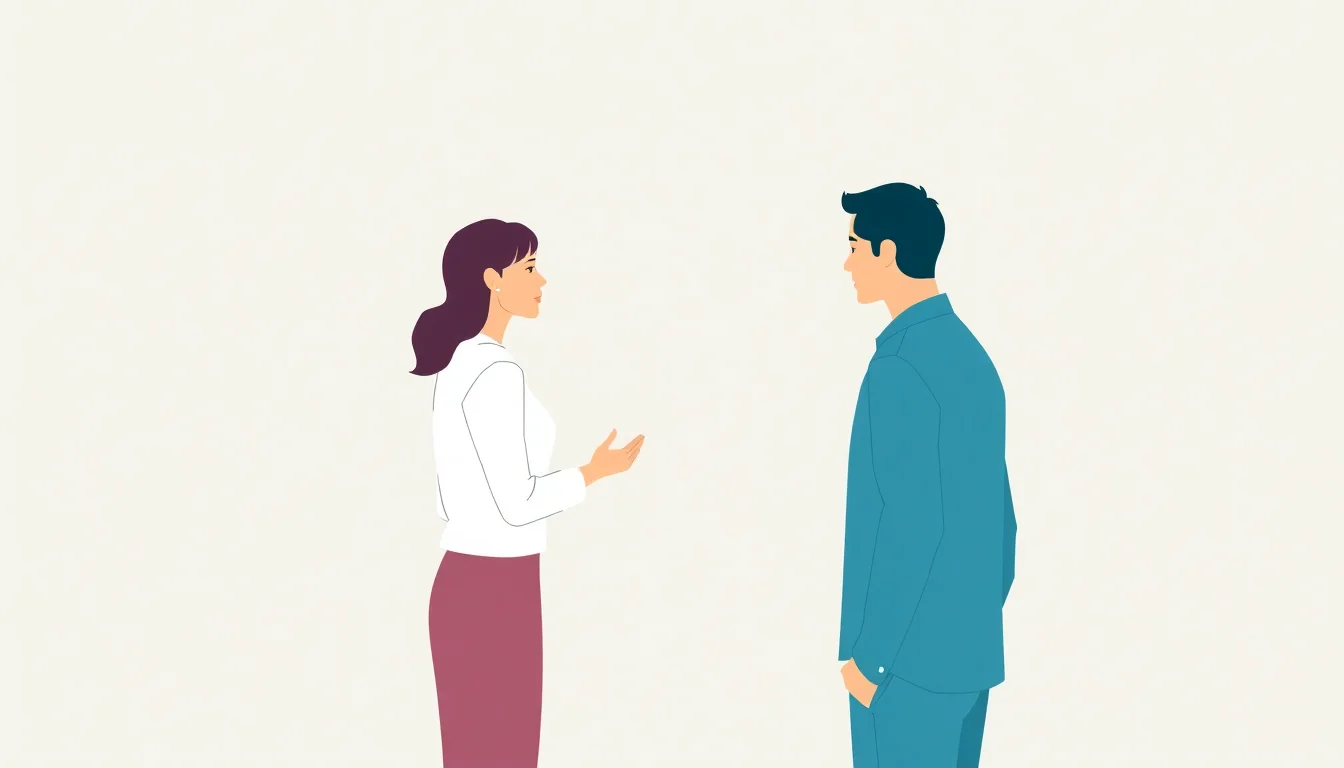
Edward T. Hall identified four primary zones of personal space, each with distinct social implications. The Intimate Zone (0-18 inches) is reserved for close relationships like family and lovers. The Personal Zone (1.5-4 feet) is for friends and acquaintances. The Social Zone (4-12 feet) is for formal interactions and business dealings. Finally, the Public Zone (12+ feet) is for public speaking and performances. Violations of these zones can trigger discomfort, anxiety, or even aggression, demonstrating the deeply ingrained nature of these spatial boundaries.
🌍 Cultural Variations in Proxemics
The perception and use of personal space are far from universal; they are profoundly shaped by cultural norms. In many Latin American and Middle Eastern cultures, for instance, people tend to stand closer during conversations than their Northern European or North American counterparts. This can lead to misunderstandings, with individuals from closer-contact cultures perceived as pushy, and those from farther-contact cultures seen as aloof. Recognizing these differences is crucial for effective cross-cultural communication and avoiding unintentional offense.
🏢 Proxemics in Public & Private Spaces
The principles of proxemics are actively applied in the design of both public and private spaces. Architects and urban planners consider environmental psychology to create environments that foster specific behaviors, whether it's encouraging social interaction in a park or maintaining focus in a library. In offices, the arrangement of desks and meeting rooms can influence collaboration and hierarchy. Even the layout of a supermarket, with its wide aisles and product placement, subtly manipulates our spatial experience to guide purchasing decisions.
💡 Key Figures in Proxemics Research
The foundational work in proxemics is largely attributed to Edward T. Hall, whose 1966 book The Hidden Dimension brought the concept to prominence. Hall, an anthropologist, meticulously observed and documented spatial behaviors across different cultures. While Hall remains the central figure, subsequent researchers like Albert Mehrabian have contributed to understanding the impact of nonverbal cues, including spatial distance, on perceived meaning and emotional expression. Their combined insights form the bedrock of modern proxemic studies.
🔬 How Proxemics Impacts Communication
Proxemics profoundly influences the effectiveness of interpersonal communication. Standing too close can make someone feel threatened or cornered, hindering open dialogue. Conversely, standing too far away might signal disinterest or a lack of connection. The appropriate distance can convey respect, confidence, and attentiveness. For example, a doctor maintaining a professional distance during a consultation can foster trust, while a friend leaning in slightly during a heart-to-heart can signal empathy and support.
⚖️ Debates and Criticisms in Proxemics
Despite its widespread acceptance, proxemics isn't without its critics. Some argue that Hall's zones are overly prescriptive and don't account for individual differences in personality, mood, or the specific context of an interaction. The controversy spectrum for proxemics is moderate, with ongoing debates about the universality of its principles versus the influence of situational factors. Furthermore, the precise measurement and interpretation of spatial distances can be subjective, leading to challenges in empirical validation.
📈 The Future of Proxemics Research
The future of proxemics research is increasingly intertwined with technology. As virtual and augmented reality become more prevalent, understanding how users perceive and interact with digital personal space will be critical. Researchers are exploring how virtual reality environments affect spatial comfort and social presence. Additionally, advancements in AI and machine learning may allow for more sophisticated analysis of proxemic behaviors in real-world settings, potentially leading to new applications in fields like robotics, urban planning, and even personalized digital experiences.
Key Facts
- Year
- 1963
- Origin
- Edward T. Hall's seminal work, 'The Silent Language'
- Category
- Social Science / Psychology
- Type
- Concept
Frequently Asked Questions
What is the most important takeaway from proxemics?
The most crucial takeaway is that personal space is a dynamic, culturally influenced, and nonverbally communicated aspect of social interaction. Understanding and respecting these spatial boundaries is fundamental to effective communication and avoiding social friction. It highlights how much we communicate without speaking, simply through our physical presence and distance from others.
How can I improve my understanding of proxemics?
Actively observe people's interactions in various settings – public transport, cafes, workplaces. Notice how individuals adjust their distance based on who they are with and the context. Pay attention to your own feelings of comfort or discomfort when someone enters your personal space. Reading more about Edward T. Hall's work and cross-cultural differences in spatial norms will also deepen your awareness.
Are proxemic zones the same for everyone?
No, proxemic zones are not rigid or universal. While Hall's zones provide a useful framework, actual distances vary significantly based on individual personality, relationship dynamics, cultural background, and the specific situation. Someone might be comfortable with a closer distance in a crowded bar than they would be in a formal business meeting.
How does proxemics apply to online interactions?
While direct physical space isn't involved, proxemics concepts translate to online interactions through digital 'closeness.' This can be seen in response times, the frequency of messages, the use of emojis to convey warmth, and the perceived intimacy of communication channels (e.g., direct message vs. public forum). The feeling of being 'too close' or 'too distant' can still occur in digital communication.
Can proxemics be used to manipulate people?
Yes, an awareness of proxemics can be used to influence others, though not always maliciously. For example, a salesperson might strategically position themselves to create a sense of urgency or comfort. Politicians might use stage positioning to project authority or approachability. Understanding these tactics can help individuals recognize when their personal space is being intentionally manipulated.