
Contents
Overview
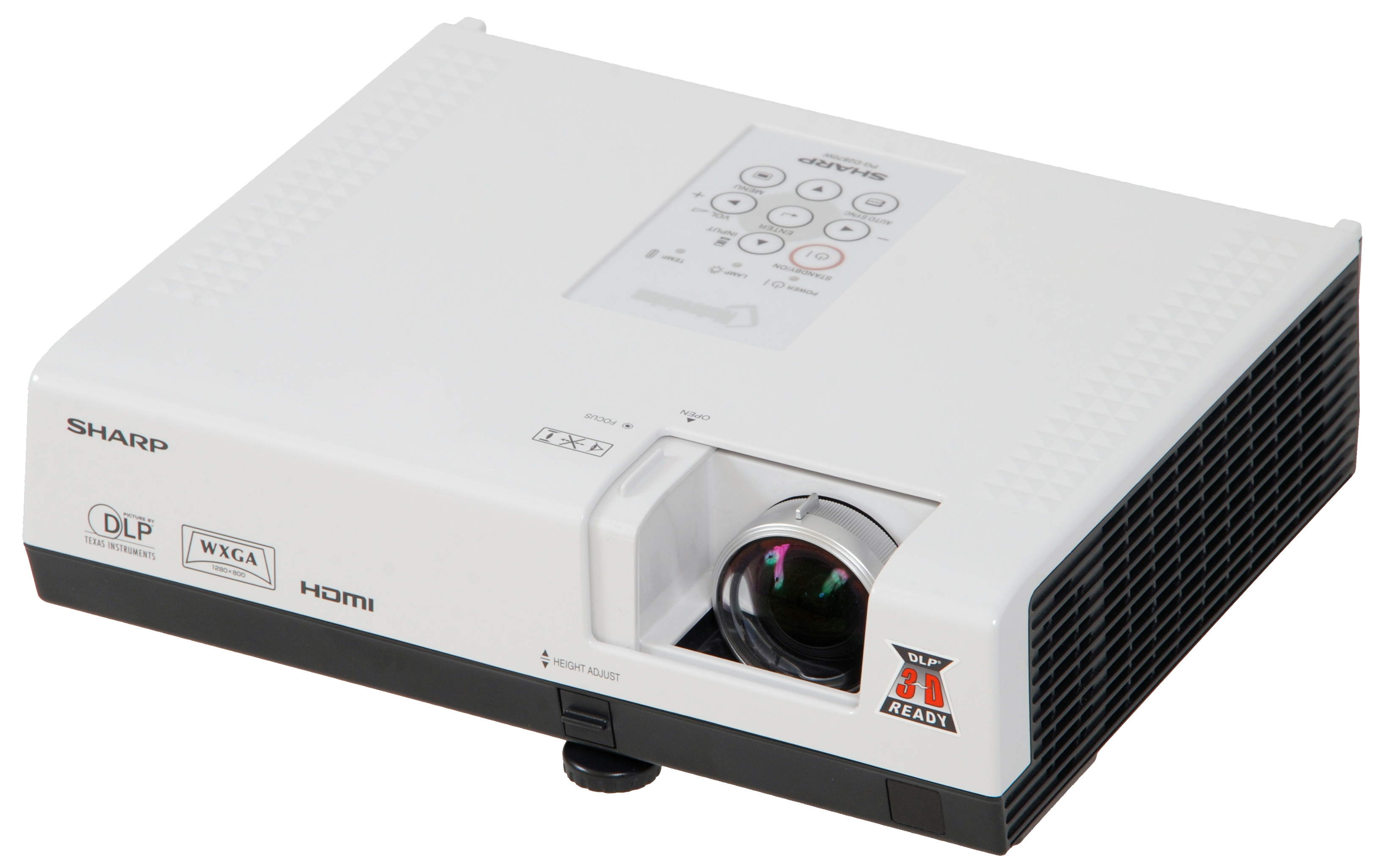
Projector components are the fundamental building blocks that transform an electronic video signal into a visible image projected onto a surface. At their core, these devices rely on a light source, an imaging device to modulate that light, and optics to focus and direct the resulting image. The evolution of projector technology has seen dramatic shifts in light sources, from early incandescent bulbs to powerful lamps like mercury vapor and xenon, and more recently, the widespread adoption of LEDs and lasers. Imaging technologies have similarly advanced, moving from CRT and LCD panels to the dominant DLP (Digital Light Processing) and LCoS (Liquid Crystal on Silicon) systems. Each component plays a critical role, influencing brightness, resolution, color accuracy, contrast, and the overall viewing experience, making the selection and integration of these parts a complex engineering feat.
🎵 Origins & History
The lineage of projector components traces back to the magic lantern in the 17th century, which used oil lamps and hand-painted slides. Early 20th-century cinema projectors relied on carbon arc lamps for illumination and complex mechanical systems to advance film. The advent of television in the mid-20th century spurred the development of cathode ray tube (CRT) projectors, which used three CRTs to project red, green, and blue light. The 1980s and 1990s saw the rise of LCD (Liquid Crystal Display) and later DLP (Digital Light Processing) technologies, which enabled smaller, brighter, and more portable projectors. Pioneers like Texas Instruments with their DLP chips, and companies like Epson and Sony with their LCD advancements, fundamentally reshaped the projector component landscape, moving away from bulky CRT systems towards solid-state imaging.
⚙️ How It Works
At its most basic, a projector component system starts with a light source, such as a LED, laser, or UHP lamp, which generates intense light. This light then passes through or reflects off an imaging device. Color is typically achieved either by passing white light through color filters or by using multiple light sources (e.g., red, green, and blue lasers) or spinning color wheels. Finally, a lens system focuses and magnifies this modulated light onto the projection surface.
📊 Key Facts & Numbers
Modern projectors boast impressive specifications. 8K resolution is appearing in niche applications. The lifespan of light sources varies significantly.
👥 Key People & Organizations
Key players in the projector component industry include Texas Instruments, which licenses DLP chips to numerous projector brands like BenQ, Optoma, and ViewSonic. Epson is a dominant force in LCD projector technology, while Sony produces both advanced LCoS and DLP-based projectors. Philips has been a significant developer of LED projection technologies, particularly with its UDI (Ultra-definition Imaging) systems. Panasonic and JVC are also notable for their contributions to high-end home theater and professional projection systems, often leveraging LCoS technology. The supply chain involves numerous specialized manufacturers for lenses, color wheels, power supplies, and cooling systems.
🌍 Cultural Impact & Influence
Projector components have been instrumental in democratizing large-screen experiences. From transforming classrooms with interactive whiteboards to bringing the cinematic experience home, these components have reshaped entertainment and education. The shift from bulky, expensive cinema projectors to more accessible home units, driven by advancements in DLP and LCD imaging, has made immersive viewing a reality for millions. Furthermore, the integration of projectors into portable devices and smartphones, enabled by miniaturized LED and laser light sources, has extended their cultural reach beyond dedicated viewing rooms.
⚡ Current State & Latest Developments
The current state of projector components is characterized by the dominance of laser and LED light sources, largely phasing out traditional lamps due to their longevity, energy efficiency, and instant on/off capabilities. Smart projector features, including built-in streaming apps and wireless connectivity, are increasingly integrated, reducing reliance on external source devices. Miniaturization continues, with ultra-portable projectors becoming more powerful and affordable, blurring the lines between personal and shared viewing experiences.
🤔 Controversies & Debates
A significant debate revolves around the lifespan and environmental impact of different light sources. While laser and LED offer longevity, the manufacturing processes and disposal of these components raise concerns. The perceived 'burn-in' or degradation of brightness over time in some LED/laser systems, though often exaggerated, remains a point of contention compared to the predictable lamp replacement cycle of traditional projectors. Furthermore, the cost-effectiveness of higher-resolution projectors (4K and 8K) versus the increasing size and decreasing cost of large OLED and QLED televisions presents a continuous market challenge.
🔮 Future Outlook & Predictions
The future of projector components points towards further integration of AI for automatic image correction, focusing, and ambient light adaptation. We can expect even greater efficiency and brightness from laser light sources, potentially enabling projectors that can overcome significant ambient light challenges without specialized screens. The development of holographic projection and volumetric displays, while still nascent, represents a potential long-term evolution beyond traditional 2D projection. Expect continued miniaturization, leading to projectors embedded in everyday objects, and increased adoption of 8K and beyond, pushing the boundaries of visual fidelity.
💡 Practical Applications
Projector components are essential in a wide array of applications. In professional settings, they are crucial for business presentations, architectural visualization, and medical imaging displays. For entertainment, they power home theaters, large-scale event projections at concerts and festivals, and are the backbone of modern digital cinema theaters. Educational institutions utilize them for interactive learning, and museums employ them for immersive exhibits. The portability of modern projectors also makes them valuable for on-the-go presentations and outdoor movie nights.
Key Facts
- Category
- technology
- Type
- technology