
Contents
Overview
The genesis of pride marches is inextricably linked to the Stonewall Riots in June 1969, a series of spontaneous demonstrations by members of the LGBTQ+ community against a police raid at the Stonewall Inn in New York City. This pivotal event galvanized the nascent gay rights movement, leading to the first organized marches. On June 28, 1970, the first anniversary of Stonewall, commemorative marches and demonstrations took place in New York City, Los Angeles, Chicago, and San Francisco. These early events, often referred to as 'Christopher Street Liberation Day' in New York, were explicitly political, demanding visibility and an end to police brutality and societal discrimination. Over the subsequent decades, these marches evolved, spreading globally and incorporating more celebratory elements alongside their activist roots, with events like the WorldPride festivals becoming major international gatherings.
⚙️ How It Works
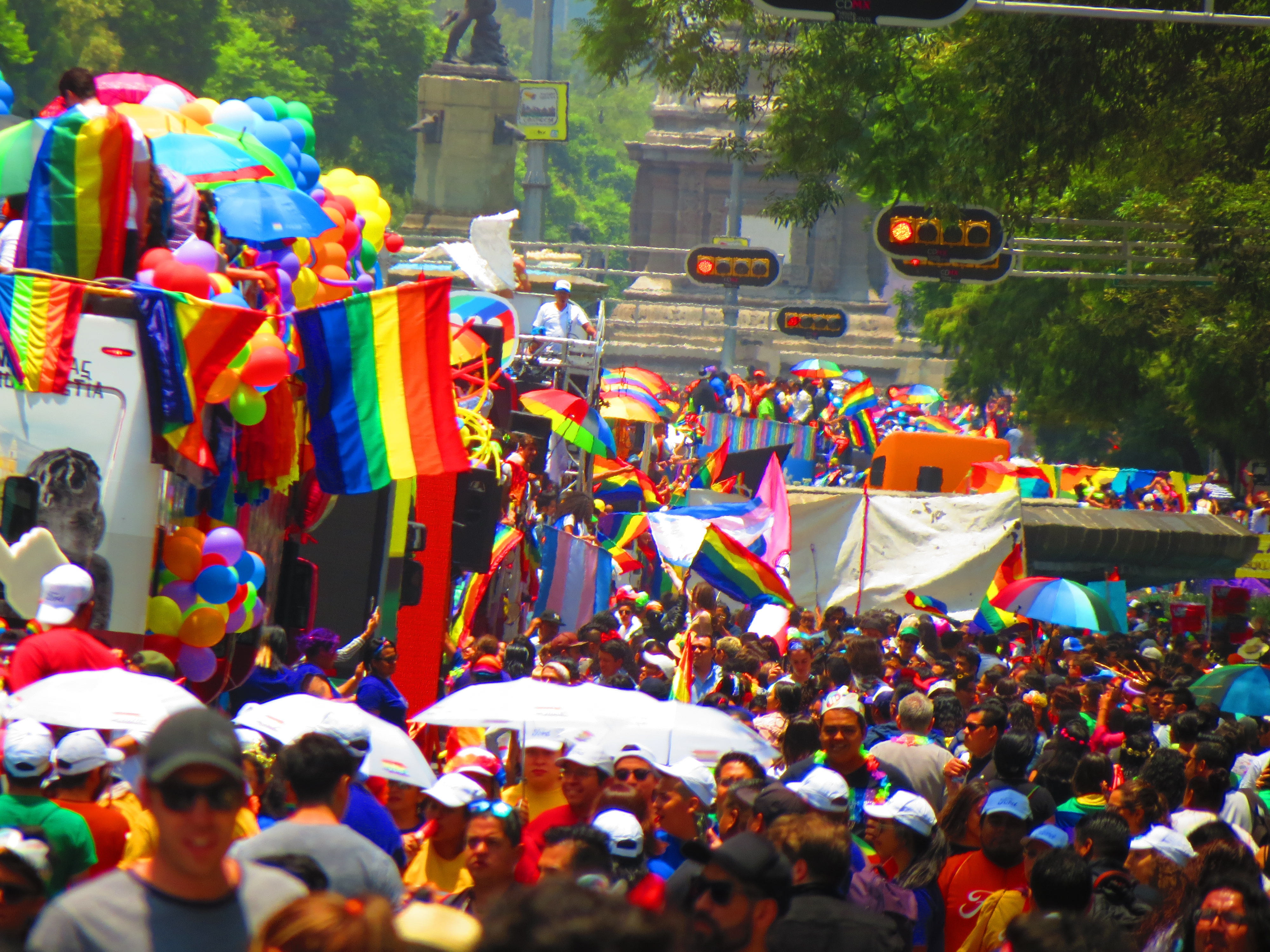
Pride marches are dynamic, multi-faceted events that typically involve a procession of participants, often featuring decorated floats, music, dancing, and elaborate costumes, moving through public streets. The organizational structure varies widely, from grassroots community efforts to professionally managed large-scale festivals. Key components often include a designated route, security and medical support, permits from local authorities, and coordination with various LGBTQ+ advocacy groups and community organizations. Many marches are preceded or accompanied by related events such as film festivals, art exhibitions, panel discussions, and concerts, creating a broader 'Pride Week' or 'Pride Month' experience. The core function remains to foster community, celebrate identity, and advocate for equality, with participants ranging from individuals and families to corporate contingents and activist groups.
📊 Key Facts & Numbers
Globally, pride marches attract staggering numbers. Many major cities host annual pride events with attendance figures often exceeding hundreds of thousands. The economic impact is also significant, with studies showing that pride events can generate millions of dollars in revenue for host cities through tourism and local spending.
👥 Key People & Organizations
Key figures and organizations have been instrumental in shaping pride marches. Early activists like Marsha P. Johnson and Sylvia Rivera, prominent figures in the Stonewall Uprising and founders of the Street Transvestite Action Revolutionaries (STAR), were foundational in demanding rights and visibility. Organizations such as Human Rights Campaign (HRC) and GLAAD play significant roles in advocacy and media outreach surrounding pride events. Many local LGBTQ+ centers and pride committees, like the Heritage of Pride in New York or San Francisco Pride, are responsible for the logistical planning and execution of these massive annual gatherings. Corporate sponsorship has also become a major factor, with companies like Starbucks and Microsoft often sponsoring and participating in parades.
🌍 Cultural Impact & Influence
Pride marches have profoundly influenced global culture, serving as powerful catalysts for social change and increased LGBTQ+ visibility. They have normalized LGBTQ+ identities in public spaces, challenging centuries of stigma and marginalization. The visual language of pride – rainbow flags, glitter, elaborate costumes – has become globally recognized symbols of LGBTQ+ pride and solidarity. Beyond direct activism, pride events have inspired countless artistic expressions, from music and film to literature and fashion, often featuring themes of liberation, identity, and resilience. The increasing corporate participation, while sometimes debated, has also brought LGBTQ+ issues into mainstream business discourse and consumer awareness, influencing marketing and corporate social responsibility initiatives worldwide.
⚡ Current State & Latest Developments
In 2024, pride marches continue to be a vital force, though their landscape is constantly shifting. While many traditional parades persist, there's a growing emphasis on intersectionality, ensuring that the experiences of LGBTQ+ individuals of color, transgender and non-binary people, and those with disabilities are more prominently represented. Some cities are seeing a rise in 'protest' focused marches, often in response to legislative challenges or backlash against LGBTQ+ rights, such as the increased focus on transgender rights and protections. Simultaneously, the commercialization of pride remains a topic of discussion, with ongoing debates about the balance between corporate involvement and authentic activism. The digital realm also plays an increasing role, with online pride events and social media campaigns amplifying messages beyond physical gatherings.
🤔 Controversies & Debates
The commercialization of pride marches is a persistent point of contention. Critics argue that the increasing presence of large corporations, often with questionable human rights records or through rainbow-washing campaigns, dilutes the political message and commodifies LGBTQ+ identity for profit. Conversely, proponents highlight that corporate sponsorship provides essential funding that allows many marches to occur, especially for smaller or less affluent organizations, and that corporate participation can signal allyship and drive internal change within those companies. Another ongoing debate centers on inclusivity, particularly regarding the representation and safety of transgender individuals, people of color, and other marginalized groups within the broader LGBTQ+ community during these events. The question of whether pride should be primarily a protest or a celebration also fuels debate, with different factions prioritizing different aspects.
🔮 Future Outlook & Predictions
The future of pride marches will likely involve a continued negotiation between celebration and protest, with an increasing focus on intersectionality and addressing systemic inequalities. We may see a greater divergence between large-scale, commercially sponsored festivals and smaller, more politically charged demonstrations. The role of digital platforms in organizing and amplifying pride messages will undoubtedly grow, potentially creating hybrid online-offline events. As legislative battles over LGBTQ+ rights continue globally, pride marches will remain critical venues for mobilization and visible resistance. There's also potential for greater international collaboration and the development of standardized best practices for inclusivity and safety, ensuring that pride remains a relevant and impactful force for liberation.
💡 Practical Applications
Pride marches serve as powerful platforms for advocacy, community building, and cultural expression. They are practical tools for raising awareness about LGBTQ+ issues, lobbying for legislative change, and combating discrimination. For individuals, participating in a pride march can be a deeply affirming experience, offering a sense of belonging and validation. They also function as significant economic drivers for host cities, attracting tourism and boosting local businesses. Furthermore, pride events provide invaluable opportunities for education, allowing allies and the general public to learn about LGBTQ+ history, challenges, and contributions. The visual spectacle itself serves as a form of public art and a declaration of presence, making the invisible visible.
Key Facts
- Category
- movements
- Type
- topic