
Contents
Overview
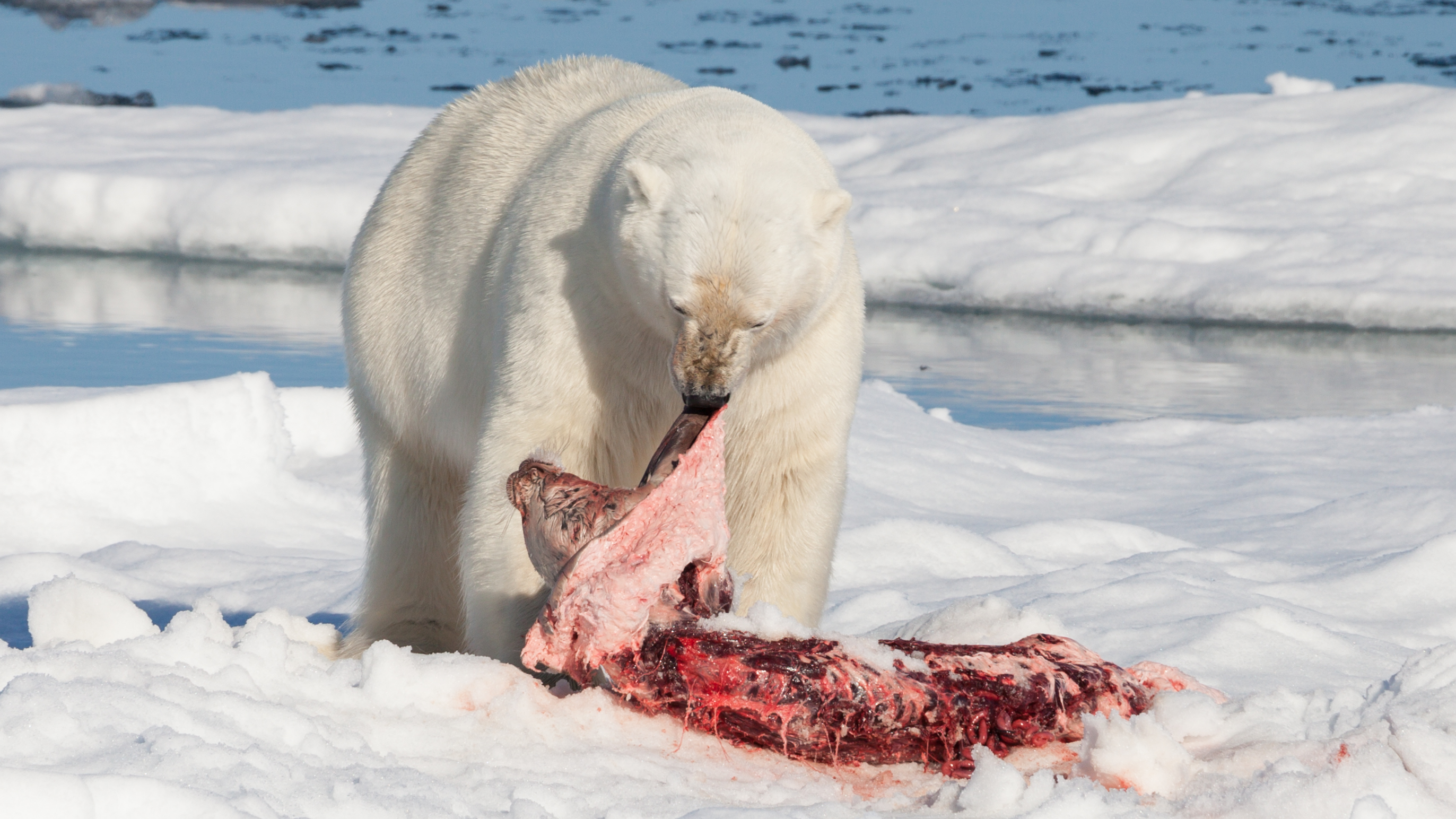
Prey capture is the fundamental biological process by which one organism, the predator, successfully acquires and consumes another organism, the prey. This dynamic interaction underpins nearly every ecosystem on Earth, driving evolutionary arms races and shaping biodiversity. Strategies range from the explosive speed of a cheetah's chase to the patient, camouflaged ambush of a praying mantis, or the intricate webs spun by spiders. The success of prey capture is a critical determinant of predator survival and reproductive success, while the evolution of evasion tactics by prey highlights the constant pressure for adaptation. Understanding prey capture offers profound insights into animal behavior, biomechanics, sensory ecology, and the intricate web of life that sustains our planet.
🎵 Origins & History
Fossil evidence from the Ediacaran period hints at early predatory behaviors, with some organisms exhibiting evidence of predation or scavenging. The Cambrian Explosion saw a dramatic diversification of animal life, including the emergence of many highly specialized predators, equipped with grasping appendages and feeding mechanisms. This era marked a significant escalation in the complexity of prey capture strategies, laying the groundwork for the diverse predatory tactics observed in modern fauna. The development of sensory systems, such as vision and chemoreception, further refined these ancient hunting techniques, creating an ongoing evolutionary arms race between predator and prey.
⚙️ How It Works
Prey capture involves a complex sequence of behaviors and physiological adaptations, often initiated by the detection of prey through sensory cues like sight, sound, smell, or vibration. Predators employ a variety of strategies: pursuit predators actively chase their quarry, relying on speed and stamina. Ambush predators, conversely, utilize stealth and patience, waiting for prey to come within striking distance. Some predators employ aggressive mimicry, luring unsuspecting prey closer, a common strategy among anglerfish and certain insects. The final act of capture often involves specialized appendages like claws, teeth, venom, or sticky secretions, designed to subdue and immobilize the prey, ensuring its consumption. The efficiency of these mechanisms is a testament to millions of years of natural selection.
📊 Key Facts & Numbers
A great white shark can go weeks between meals, consuming hundreds of kilograms of blubber when it does feed. The success rate of prey capture varies wildly.
👥 Key People & Organizations
The concept of prey capture has permeated human culture, appearing in mythology, art, and literature across millennia. From the heroic hunts depicted in ancient Greek myths featuring Heracles and the Nemean Lion to the stark realism of nature documentaries like Planet Earth, humans have long been fascinated by the drama of predator and prey. This fascination extends to the development of hunting technologies and strategies, which have been crucial for human survival and expansion. In sports, terms like 'striker' or 'forward' in football echo predatory roles, emphasizing speed, agility, and the decisive act of 'scoring.' The visual language of prey capture—the pounce, the chase, the struggle—is a recurring motif in visual arts, influencing everything from cave paintings to modern cinematography.
🌍 Cultural Impact & Influence
Current research in prey capture is increasingly leveraging advanced technologies. High-speed cameras and motion capture systems allow scientists to meticulously analyze the biomechanics of strikes and evasive maneuvers at millisecond timescales. Bio-logging devices, such as GPS trackers and accelerometers attached to animals, provide unprecedented data on hunting patterns in natural environments, revealing complex strategies previously unknown. Computational modeling and artificial intelligence are being used to simulate predator-prey interactions and predict how these dynamics might change under environmental pressures like climate change or habitat fragmentation.
⚡ Current State & Latest Developments
Debates surrounding prey capture often center on the ethics of predation itself, particularly when humans intervene in natural predator-prey relationships through wildlife conservation efforts or managed hunting. Questions arise about the 'fairness' of certain hunting methods, especially those involving technology or perceived 'unsportsmanlike' tactics. Another area of contention involves the definition of predation versus other feeding behaviors; for instance, the line between a predator and a parasite can be blurry, especially in cases of micropredation or parasitoidism. The impact of human-induced environmental changes, such as habitat loss and invasive species, on natural prey capture dynamics is also a subject of ongoing scientific and ethical discussion, with scientists at The Nature Conservancy frequently publishing on these impacts.
🤔 Controversies & Debates
The future of prey capture research will likely be dominated by further integration of AI and machine learning to analyze vast datasets from bio-logging and remote sensing. We can expect more sophisticated models predicting the effects of climate change on predator-prey synchrony, potentially leading to population declines for species unable to adapt their hunting or evasion strategies quickly enough. The study of animal communication in the context of hunting—how predators coordinate and how prey signal danger—will also advance, possibly revealing more complex social dynamics. Furthermore, biomimicry, inspired by the efficiency of natural prey capture mechanisms, will continue to drive innovation in fields like robotics and materials science, as explored by researchers at MIT Media Lab.
🔮 Future Outlook & Predictions
Understanding prey capture has direct applications in various fields. In wildlife management, knowledge of predator hunting success rates and prey vulnerability helps in managing populations and mitigating human-wildlife conflict. For instance, understanding how wolves hunt elk informs strategies for maintaining healthy ungulate populations in Yellowstone National Park. In robotics, the biomechanics of predatory strikes inspire the design of faster, more agile robots for search and rescue or industrial automation. The study of venom delivery syste
Key Facts
- Category
- nature
- Type
- topic