
Contents
- 🎯 Introduction to Biosecurity
- ⚙️ Types of Biosecurity Measures
- 📊 Economic Benefits of Biosecurity
- 👥 Key Players in Biosecurity
- 🌍 Global Biosecurity Initiatives
- ⚡ Current Challenges in Biosecurity
- 🤔 Controversies and Debates
- 🔮 Future of Biosecurity
- 💡 Practical Applications of Biosecurity
- 📚 Related Topics and Deeper Reading
- Frequently Asked Questions
- References
- Related Topics
Overview
Preventive biosecurity measures are a set of protocols and practices designed to prevent the introduction or spread of harmful organisms, including viruses, bacteria, and invasive species. These measures are crucial in protecting food crops, livestock, and human populations from biological threats. The development and implementation of biosecurity measures involve a multidisciplinary approach. Effective biosecurity measures can also have significant economic benefits.
🎯 Introduction to Biosecurity
The development of biosecurity measures has been shaped by the work of scientists such as Louis Pasteur and Robert Koch, who made significant contributions to the field of microbiology. Today, biosecurity measures are a critical component of global health security.
⚙️ Types of Biosecurity Measures
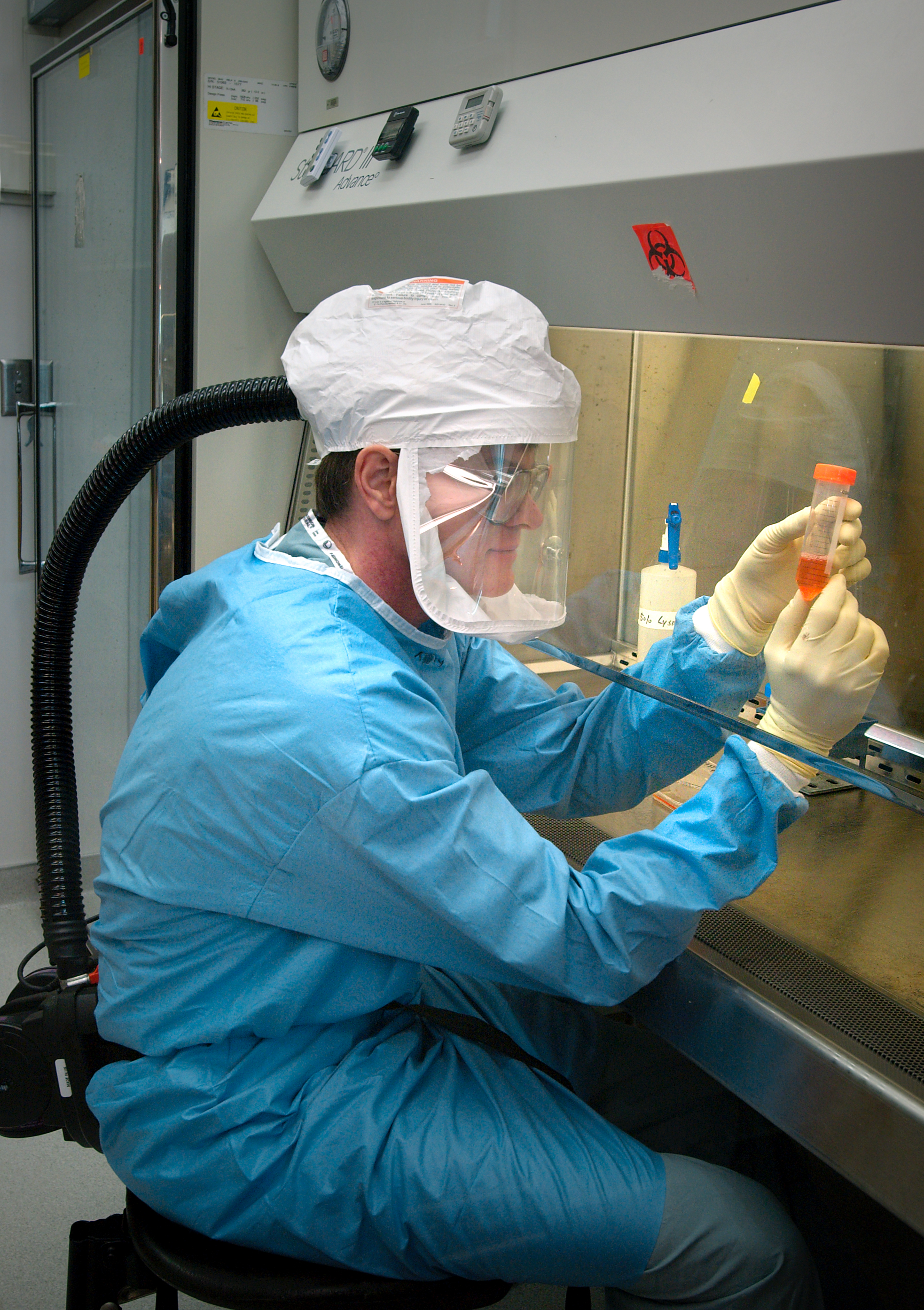
There are several types of biosecurity measures, including physical barriers, such as fences and gates, and procedural measures, such as screening and testing. These measures can be implemented in a variety of settings, including agricultural facilities, hospitals, and laboratories. For example, the USDA has implemented biosecurity measures to prevent the spread of diseases such as avian influenza and foot-and-mouth disease in agricultural facilities. Similarly, hospitals have implemented biosecurity measures to prevent the spread of diseases such as COVID-19 and Ebola.
📊 Economic Benefits of Biosecurity
Biosecurity measures can help to prevent the spread of diseases, which can have significant economic costs. By implementing biosecurity measures, countries can help to mitigate the economic impacts of disease outbreaks.
👥 Key Players in Biosecurity
There are several key players involved in biosecurity, including governments, international organizations, and private companies. These players work together to develop and implement biosecurity measures, and to share information and best practices.
🌍 Global Biosecurity Initiatives
Global biosecurity initiatives are critical in preventing the spread of diseases, and in promoting international cooperation on biosecurity issues.
⚡ Current Challenges in Biosecurity
Despite the importance of biosecurity measures, there are a number of challenges that need to be addressed. These include the lack of funding for biosecurity initiatives, the need for greater international cooperation, and the challenge of balancing biosecurity measures with individual freedoms.
🤔 Controversies and Debates
There are a number of controversies and debates surrounding biosecurity measures, including the use of biosecurity measures as a tool of social control.
🔮 Future of Biosecurity
The future of biosecurity is likely to be shaped by a number of factors, including advances in technology, changes in global politics, and the emergence of new diseases.
💡 Practical Applications of Biosecurity
Biosecurity measures have a number of practical applications, including in agriculture, healthcare, and national security. For example, biosecurity measures can be used to prevent the spread of diseases in agricultural facilities, and to protect food crops and livestock from pests and invasive species.
Key Facts
- Origin
- Global
- Category
- science
- Type
- concept
Frequently Asked Questions
What is biosecurity?
Biosecurity refers to measures aimed at preventing the introduction or spread of harmful organisms, including viruses, bacteria, and invasive species. These measures are crucial in protecting food crops, livestock, and human populations from biological threats.
Why are biosecurity measures important?
Biosecurity measures are important because they can help to prevent the spread of diseases, which can have significant economic costs.
What are some examples of biosecurity measures?
Examples of biosecurity measures include physical barriers, such as fences and gates, and procedural measures, such as screening and testing. These measures can be implemented in a variety of settings, including agricultural facilities, hospitals, and laboratories.