
Contents
Overview
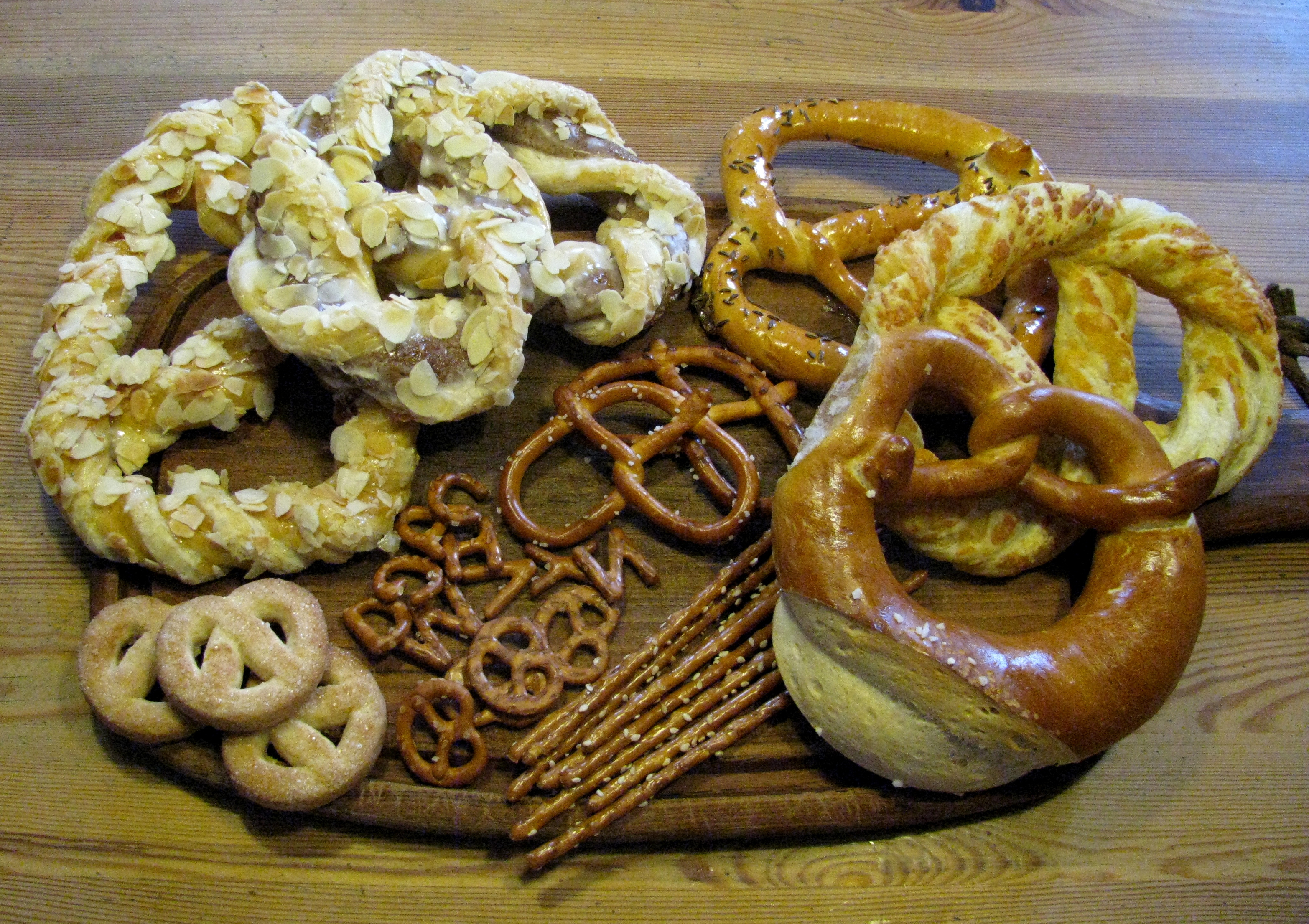
Pretzel recipes represent a rich culinary tradition, spanning centuries and continents, centered on the unique dough preparation and distinctive knotting technique that defines this beloved baked good. Originating in Europe, the pretzel's journey has seen it evolve from a simple, soft bread to a global snack available in countless variations – from hard, crunchy sticks to sweet, cinnamon-sugar coated rings. Mastering pretzel recipes involves understanding the critical role of ingredients like flour, yeast, and water, the precise temperature control for proofing, and the essential alkaline bath that creates the pretzel's signature chewy interior, crisp crust, and characteristic brown hue via the Maillard reaction. Whether aiming for the authentic soft pretzel experience or exploring innovative flavor profiles, pretzel recipes offer a tangible connection to baking history and a satisfying challenge for culinary enthusiasts worldwide.
🎵 Origins & History
The genesis of pretzel recipes is shrouded in legend, with many tales pointing to 7th-century monastic Europe. These early pretzels were likely simple, unleavened breads. Over centuries, the recipe evolved, incorporating yeast for a softer texture and developing the iconic twisted shape. The introduction of an alkaline bath became a defining characteristic, transforming the pretzel's crust and flavor profile through intense browning reactions. By the 17th century, pretzels were firmly established in German baking traditions, with specific regional variations like the Bavarian 'Brezn' gaining prominence. The migration of German immigrants to America in the 19th century brought pretzel recipes and baking techniques across the Atlantic, laying the groundwork for their widespread popularity in the United States, particularly in Pennsylvania Dutch country.
⚙️ How It Works: The Dough & The Bath
At its core, a successful pretzel recipe hinges on two critical components: the dough and the alkaline bath. The dough typically starts with a basic bread formulation: flour (often high-gluten bread flour for chewiness), water, yeast, and salt. Proper kneading develops gluten, crucial for the pretzel's structure and elasticity, allowing it to hold its shape during proofing and baking. The proofing stage allows the yeast to ferment, creating air pockets and contributing to the final texture. The true magic, however, occurs during the alkaline bath. Dipping the shaped dough for a short period in a solution of food-grade lye (sodium hydroxide) or a baking soda solution (sodium bicarbonate) before baking is what gives pretzels their distinctive dark brown, glossy crust and unique flavor. This alkaline environment promotes rapid Maillard reactions and caramelization during baking, far more intensely than a simple water bath would, resulting in the characteristic pretzel taste and appearance. The temperature of the bath and the duration of the dip are critical variables that home bakers and commercial producers meticulously control.
📊 Key Facts & Numbers
Globally, the pretzel market is substantial. Soft pretzels, though often considered the traditional form, account for roughly 40% of the U.S. pretzel market, with hard pretzels making up the remaining 60%. The average American consumes about 1.5 pounds of pretzels per year. In Germany, the birthplace of the pretzel, Bavaria boasts the highest per capita consumption, with some estimates suggesting Bavarians eat up to 100 pretzels per person annually. The global pretzel market was valued at approximately $10.5 billion in 2023 and is projected to grow at a compound annual growth rate (CAGR) of 4.2% through 2030. This growth is fueled by innovation in flavor profiles and the increasing popularity of artisanal and gourmet pretzel products, alongside the enduring appeal of classic recipes.
👥 Key People & Organizations
While no single individual is credited with 'inventing' the pretzel recipe, numerous bakers, culinary historians, and food scientists have contributed to its refinement and popularization. In the U.S., families like the Miller family, founders of Auntie Anne's Pretzels in 1988, have played a significant role in commercializing soft pretzels, making them a ubiquitous mall snack. Organizations such as the Pretzel Makers Guild of Germany (Verband der Brezelbäcker) work to preserve traditional methods and promote quality. Culinary authors like Jeffrey Steingarten, in his seminal work It Must Have Been Something I Ate, have explored the science behind the perfect pretzel crust. Food scientists at institutions like Cornell University have studied the chemical reactions involved in pretzel baking, particularly the role of alkaline treatments in flavor and texture development. The ongoing evolution of pretzel recipes is also driven by countless home bakers and small-batch artisanal producers worldwide.
🌍 Cultural Impact & Influence
Pretzel recipes have woven themselves into the fabric of global culture, transcending their humble origins to become a versatile snack and a symbol of comfort food. In Germany, pretzels are an integral part of Oktoberfest celebrations and are often paired with traditional Bavarian beer and Weisswurst. Their distinctive shape has made them an easily recognizable icon, appearing in art, literature, and popular culture. The 'pretzel logic' idiom, describing a convoluted or unnecessarily complex situation, highlights the cultural familiarity with the knot's intricate form. Beyond their traditional role, pretzel recipes have inspired a wave of innovation, leading to pretzel-flavored ice creams, pretzel-crusted desserts, and even pretzel-infused cocktails. This adaptability has ensured the pretzel's enduring appeal, allowing it to remain relevant across diverse culinary landscapes and consumer preferences, from the simple, salty snack to gourmet creations.
⚡ Current State & Latest Developments
The current landscape of pretzel recipes is characterized by a dynamic interplay between tradition and innovation. While classic soft and hard pretzel recipes remain popular, there's a significant surge in creative flavor infusions. Expect to see more pretzels incorporating global spice blends, artisanal cheeses, and even sweet fillings like fruit preserves or chocolate ganache. The rise of gluten-free and vegan pretzel options is also a major trend, driven by increasing consumer demand for dietary inclusivity. Furthermore, advancements in home baking technology, such as precise temperature-controlled ovens and specialized baking tools, are empowering home cooks to achieve more professional results. Online platforms like Allrecipes.com and Food Network host thousands of user-submitted and chef-tested pretzel recipes, fostering a vibrant community of pretzel enthusiasts sharing tips and variations. The artisanal pretzel movement continues to gain traction, with small bakeries focusing on high-quality ingredients and unique, small-batch production.
🤔 Controversies & Debates
The primary controversy surrounding pretzel recipes often centers on the use of food-grade lye versus baking soda. Lye provides the most authentic flavor and crust, but its caustic nature makes it hazardous for home bakers to handle, leading many to opt for baking soda, which offers a safer, albeit slightly different, result. Debates also arise regarding the ideal texture: is a pretzel truly a pretzel if it's not chewy, or are crispy, hard pretzels equally valid? The definition of a 'traditional' pretzel itself is contested, with regional variations in shape, size, and seasoning sparking friendly rivalries. Furthermore, the increasing commercialization and diversification of pretzel flavors raise questions about authenticity and the potential dilution of the pretzel's historical identity. Some purists argue that overly sweet or exotic flavor combinations stray too far from the pretzel's savory roots, while others champion the adaptability and evolution of the recipe.
🔮 Future Outlook & Predictions
The future of pretzel recipes appears to be one of continued diversification and technological integration. We can anticipate a greater emphasis on health-conscious variations, including low-sodium, whole-grain, and protein-fortified pretzels, catering to evolving consumer wellness trends. The integration of AI and machine learning in recipe development may lead to hyper-personalized pretzel recipes, optimized for individual taste preferences and dietary needs. Expect to see more 'smart' baking tools that guide users through complex steps like alkaline baths with precise temperature and timing controls. Furthermore, the global reach of pretzel recipes will likely expand, with new regional flavors and ingredients being incorporated, creating truly fusion pretzels. The artisanal movement will continue to push boundaries, with chefs experimenting with fermentation techniques and novel dough compositions, potentially leading to entirely n
💡 Practical Applications
Pretzel recipes offer a tangible connection to baking history and a satisfying challenge for culinary enthusiasts worldwide. Whether aiming for the authentic soft pretzel experience or exploring innovative flavor profiles, the process of creating pretzels can be a rewarding culinary endeavor. From understanding the nuances of dough hydration to mastering the art of the alkaline dip, each step contributes to the final delicious outcome. Home bakers can experiment with various flours, leavening agents, and toppings to create their own signature pretzels, while professional bakers continue to push the boundaries of flavor and form.
Key Facts
- Category
- culture
- Type
- topic