
Contents
Overview
The pretzel's genesis is shrouded in legend, with the most persistent tale placing its creation in the early 7th century AD by an Italian or French monk. This anonymous baker supposedly crafted the dough into a shape resembling arms crossed in prayer, presenting it as a reward to children who memorized their prayers. These early pretzels, known as pretiolas (little rewards), were likely soft and bread-like. By the Middle Ages, pretzels had become deeply embedded in European culture, appearing in monastery records and guild statutes. The city of Speyer, Germany, is often cited as a significant early center for pretzel making. The distinctive knot shape, while iconic, likely evolved for practical reasons, perhaps allowing pretzels to be hung for display or drying. The association with Lent and religious fasting further cemented the pretzel's place in Christian traditions, with its simple ingredients fitting dietary restrictions.
⚙️ How It Works
The characteristic taste and texture of a pretzel, particularly the traditional soft variety, are a result of a specific preparation process. Dough is typically made from flour, water, yeast, and salt, then shaped into its iconic form. The alkaline treatment, combined with high baking temperatures, creates the pretzel's characteristic chewy interior and a crisp, slightly leathery exterior. Lye causes a dramatic Maillard reaction during baking, transforming the sugars on the dough's surface into complex flavor compounds and a deep brown color. Baking soda achieves a similar, though less intense, effect. The addition of coarse salt after the alkaline bath is a classic finishing touch, providing a salty counterpoint to the dough's inherent sweetness.
📊 Key Facts & Numbers
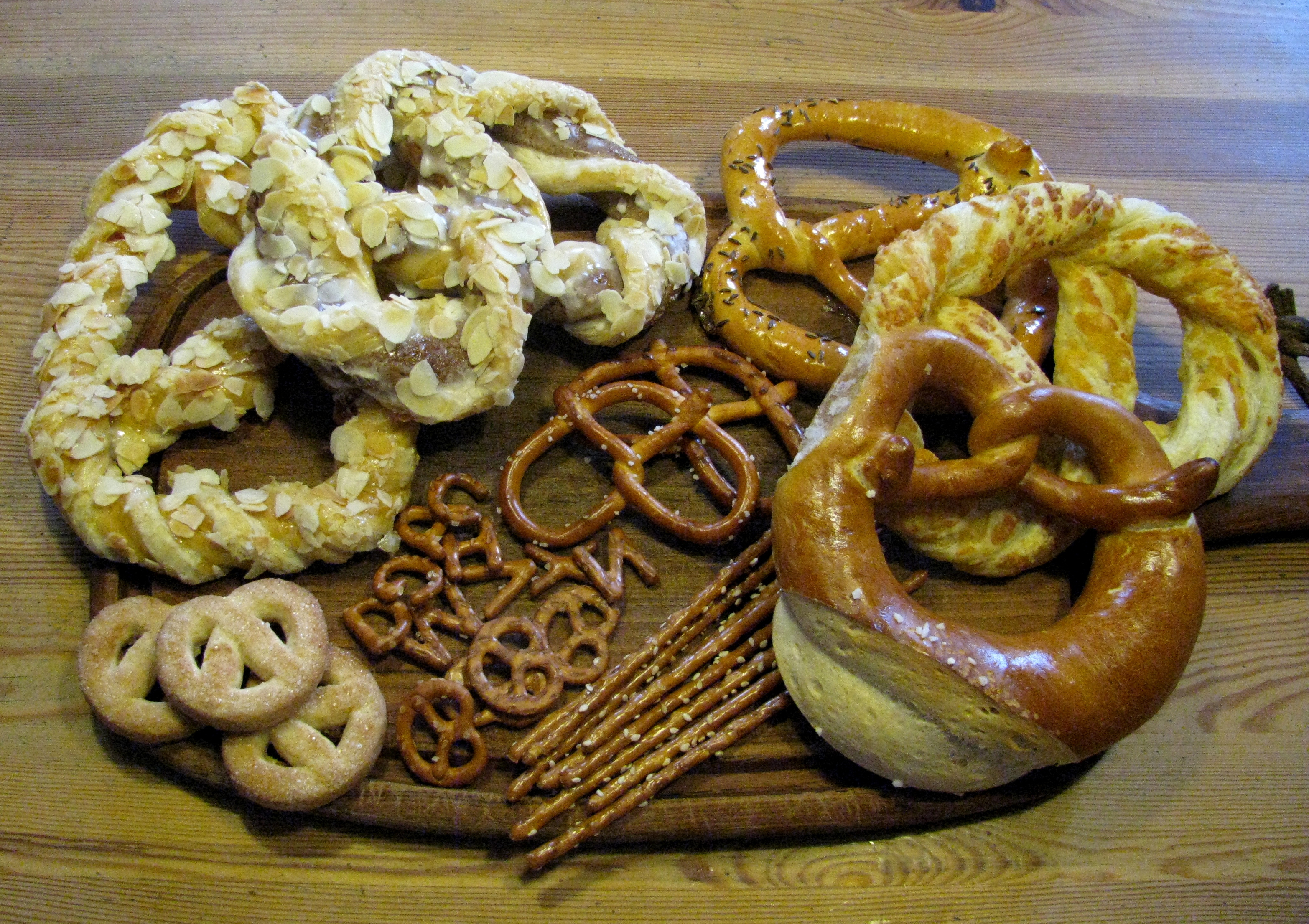
The global pretzel market is substantial, with the United States being a dominant consumer. The snack aisle in a typical American supermarket might feature over 50 different pretzel varieties from more than 20 brands.
👥 Key People & Organizations
While no single individual is credited with "inventing" the pretzel, its popularization and industrialization involved several key figures and organizations. Early monastic bakers and the bakers' guilds of medieval Germany were instrumental in establishing pretzel-making traditions. In the United States, the development of commercial pretzel production is often linked to German immigrants. Companies like Snyder's of Hanover and Utz Brands became giants in the hard pretzel industry, driving innovation in mass production and distribution. The Snack Food Association has also played a role in promoting the industry.
🌍 Cultural Impact & Influence
The pretzel's cultural footprint extends far beyond its role as a simple snack. Its distinctive shape has made it an enduring symbol, appearing in art, literature, and popular culture. In Germany and Austria, pretzels are deeply intertwined with regional festivals, beer gardens, and traditional cuisine, often served alongside mustard or cheese spreads like Obatzda. The pretzel's journey to America, largely via German immigrants in the 18th and 19th centuries, transformed it into a staple of American snack culture, particularly in Pennsylvania, which became known as the 'pretzel capital of the world'. The pretzel has also inspired numerous creative interpretations, from pretzel-shaped jewelry to its use as a motif in branding and design. Its adaptability has allowed it to transcend its humble origins, becoming a globally recognized comfort food and a symbol of simple, satisfying indulgence.
⚡ Current State & Latest Developments
The pretzel industry continues to innovate, driven by consumer demand for healthier options and novel flavors. While traditional soft and hard pretzels remain popular, manufacturers are increasingly exploring whole grain, reduced sodium, and gluten-free varieties. The rise of artisanal bakeries and craft snack companies has also led to a resurgence of gourmet pretzels featuring unique seasonings like truffle, sriracha, and everything bagel spice. The global market is expected to see continued growth, fueled by convenience snacking trends and the enduring appeal of the pretzel's satisfying crunch and salty flavor. Online sales channels are also becoming increasingly important for reaching a wider consumer base.
🤔 Controversies & Debates
The primary controversy surrounding pretzels centers on their health implications, particularly the high sodium content in many commercial varieties. While pretzels offer carbohydrates for energy, their nutritional profile can be less robust than other snacks. Some critics argue that the widespread availability and marketing of heavily salted, processed pretzels contribute to unhealthy dietary habits. Furthermore, the use of lye in traditional soft pretzel production raises safety concerns for home bakers, though commercial producers adhere to strict safety protocols. Debates also arise regarding the authenticity of regional pretzel styles, with passionate arguments often occurring between pretzel enthusiasts from different German states or American regions about the 'correct' shape, texture, and preparation method. The historical attribution of the pretzel's invention also remains a subject of ongoing, albeit minor, scholarly debate.
🔮 Future Outlook & Predictions
The future of the pretzel appears robust, with significant potential for continued evolution and market expansion. We can anticipate further diversification in flavor profiles, catering to increasingly sophisticated palates and global tastes. Expect to see more plant-based and allergen-friendly options, such as vegan cheese-flavored pretzels or nut-free varieties, to meet growing consumer demand. The integration of technology in production, from advanced baking techniques to more efficient distribution networks via platforms like Amazon, will likely streamline operations and reduce costs. Furthermore, the pretzel's symbolic power could be leveraged in new ways, perhaps through collaborations with other food brands or its adoption in emerging culinary trends. The potential for innovation in pretzel-based products, such as pretzel buns for sandwiches or pretzel-crusted desserts, remains largely untapped, suggesting a bright and crunchy future.
💡 Practical Applications
Pretzels are not merely a snack; they are a versatile ingredient with numerous practical applications. In the culinary world, soft pretzels serve as a base for hearty sandwiches, particularly in German-American cuisine, and are a popular accompaniment to beer and mustard. Hard pretzels, crushed into crumbs, provide a unique, savory coating for fried chicken, fish, and other dishes, offering a delightful crunch and salty kick that surpasses traditional breadcrumbs. They are also incorporated into desserts, such as pretzel crusts for cheesecakes and pies, or dipped in chocolate for a sweet-and-salty treat. Beyond the kitchen, the pretzel's iconic shape has found use in decorative arts, jewelry design, and even as a motif in educational materials for teaching children about shapes and baking. Its adaptability makes it a valuable component in both everyday meals and gourmet creations.
Key Facts
- Category
- history
- Type
- topic