
Contents
Overview
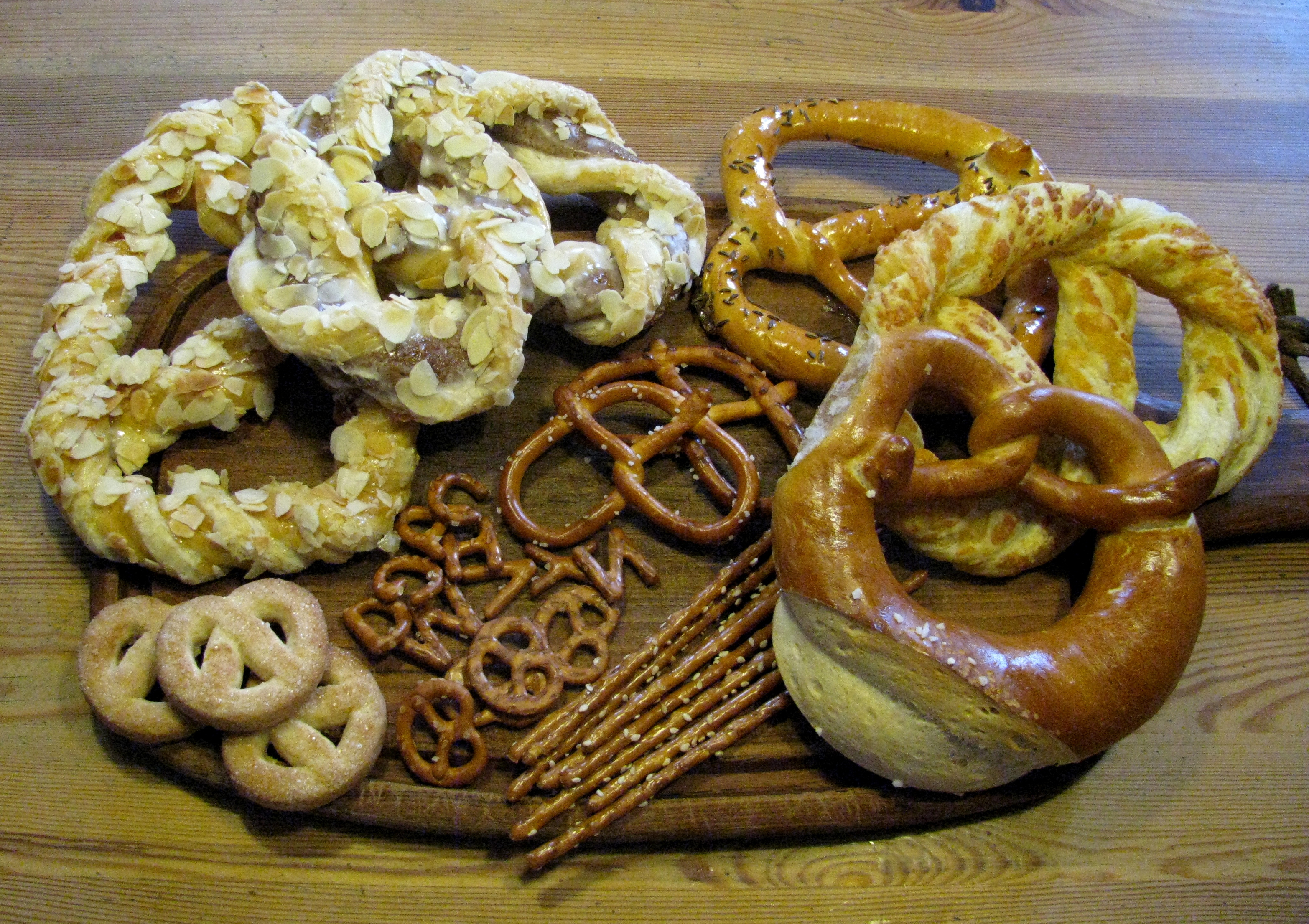
Pretzel baking is a culinary tradition centered on the creation of pretzels, a baked good characterized by its distinctive knot shape and often a chewy interior with a crisp, browned exterior, achieved through a unique dough treatment. Originating in Europe, pretzels have evolved from simple monastic offerings to a global snack enjoyed in countless variations. The process typically involves a dough of flour, water, and yeast, which is then boiled or treated with an alkaline solution before baking, a crucial step that imparts the pretzel's signature flavor, color, and texture via the Maillard reaction. Today, this practice spans artisanal bakeries, commercial production lines, and home kitchens, with regional specialties and flavor innovations constantly emerging, making pretzel baking a vibrant and enduring part of food culture worldwide.
🎵 Origins & History
The genesis of pretzel baking is shrouded in legend. Early pretzels, known as 'pretiolas' or 'little rewards,' were likely simple, unleavened dough strips baked until hard, serving as a form of sustenance or a reward for religious instruction. Monastic orders played a crucial role in preserving and disseminating pretzel recipes. By the Middle Ages, pretzels had become more sophisticated, with recipes appearing in monastic records and secular bakeries. The introduction of yeast and the alkaline wash marked a pivotal moment, transforming the pretzel into the chewy, glossy, and flavorful baked good known today. The distinctive shape and preparation method quickly spread across Europe, becoming a staple in German-speaking regions and eventually traveling with immigrants to the Americas, where it solidified its status as a beloved snack.
⚙️ How It Works
The magic of pretzel baking lies in a specific sequence of dough preparation and thermal treatment. A basic pretzel dough is typically composed of high-gluten flour, water, yeast, and salt, similar to bread dough but often with a lower hydration level for a firmer structure. The dough is kneaded, allowed to proof, and then shaped into the iconic knot or other forms. The critical step is the alkaline bath: traditionally, shaped dough pieces are briefly submerged in a boiling solution of sodium hydroxide (lye) or, more commonly for home bakers and commercial operations prioritizing safety, a baking soda solution. This alkaline treatment is essential for the Maillard reaction, a chemical process between amino acids and reducing sugars that occurs at high temperatures, creating the pretzel's characteristic deep brown crust, unique savory flavor, and glossy sheen. After the bath, the pretzels are typically sprinkled with coarse salt before being baked until golden brown and firm.
📊 Key Facts & Numbers
Globally, the pretzel market is substantial. Soft pretzels, the original form, account for a significant portion of this consumption. In Germany, the birthplace of the pretzel, over 1,000 bakeries still produce traditional pretzels daily. Bavaria alone produces an estimated 150 million pretzels each year. The average American consumes about 2 pounds of pretzels per year, a figure that has remained relatively stable over the past decade.
👥 Key People & Organizations
While no single 'inventor' of the pretzel exists, numerous bakers and entrepreneurs have shaped its modern landscape. In the U.S., figures like Anne Beiler, founder of Auntie Anne's, revolutionized the soft pretzel market by establishing a franchise model focused on mall-based kiosks and fresh preparation, starting in 1988. Philly Soft Pretzel Company, founded in 1992 by Richard M. Penn, is another significant player in the American soft pretzel industry. Historically, monastic orders played a crucial role in preserving and disseminating pretzel recipes. In Germany, the German Bakers' Confederation (Deutscher Bäckerbund) actively promotes traditional baking techniques, including pretzel making, through apprenticeships and certifications. Companies like Snyder's of Hanover and Rold Gold have dominated the hard pretzel market, transforming it into a mass-produced snack food.
🌍 Cultural Impact & Influence
Pretzel baking has woven itself deeply into the cultural fabric of many regions. In Germany, pretzels are an integral part of festivals like Oktoberfest, often served alongside beer and traditional Bavarian cuisine. They are also a common accompaniment to mustard and cheese spreads, forming the basis of many 'Brotzeit' (bread time) meals. In the United States, pretzels have become synonymous with snacking, particularly in regions with strong German heritage like Pennsylvania. The iconic knot shape has been adopted in art, fashion, and even as a symbol in digital communication. The ubiquity of pretzels, from street vendors to gourmet restaurants, underscores their broad appeal and adaptability across diverse culinary contexts. The practice of pretzel baking itself fosters community, with baking classes and workshops popular for both educational and social purposes.
⚡ Current State & Latest Developments
The pretzel industry continues to innovate, moving beyond the traditional salt-and-soft or hard pretzel formats. We're seeing a surge in artisanal pretzel bakeries experimenting with unique flavor profiles, such as everything bagel seasoning, truffle oil, jalapeño cheddar, and even sweet varieties like cinnamon sugar and chocolate-dipped pretzels. Gluten-free and vegan pretzel options are also gaining traction, catering to evolving dietary needs and preferences, with companies like Gluten-Free Gourmet (fictional example) developing specialized recipes. The rise of direct-to-consumer shipping has allowed smaller, specialized pretzel makers to reach a national audience, bypassing traditional retail channels. Furthermore, advancements in baking technology are enabling more efficient and consistent production for both commercial and home bakers, with smart ovens and specialized pretzel-making equipment becoming more accessible.
🤔 Controversies & Debates
One of the most persistent debates in pretzel baking centers on the use of lye versus baking soda. While lye (sodium hydroxide) is the traditional agent that produces the authentic pretzel crust and flavor, its caustic nature raises safety concerns, especially for home bakers and in commercial settings where worker safety is paramount. This has led to widespread adoption of baking soda solutions, which offer a safer alternative but are often criticized by purists for not achieving the same depth of flavor and crust texture. Another point of contention is the definition of a 'true' pretzel; some argue that any pretzel not shaped into the traditional knot is not a genuine pretzel, while others embrace the proliferation of shapes and sizes. The debate also extends to the ideal texture: the chewy, dense interior of a soft pretzel versus the crunchy, airy crispness of a hard pretzel, with each camp fiercely defending its preference.
🔮 Future Outlook & Predictions
The future of pretzel baking appears to be one of continued diversification and technological integration. Expect to see more fusion pretzels, blending pretzel dough with other baked goods or international flavors. The demand for healthier options will likely drive further innovation in low-sodium, whole-grain, and allergen-free varieties. In terms of production, advancements in automation and AI could lead to 'smart' pretzel-making systems that optimize dough consistency, proofing times, and baking parameters for unparalleled quality control. For home bakers, the accessibility of specialized ingredients and equipment, coupled with online tutorials and communities, will likely foster a renaissance in artisanal pretzel creation. The potential for virtual reality baking experiences, guiding users through the process step-by-step, also looms on the horizon.
💡 Practical Applications
Pretzel baking has direct practical applications in both commercial food production and home cooking. Commercially, it forms the backbone of a multi-billion dollar snack industry, providing jobs and products for consumers worldwide. Bakeries, from large-scale manufacturers like Snyder's of Hanover to small local shops, rely on these techniques. For home cooks, pretzel baking offers a rewarding culinary project, allowing for customization of flavors and shapes. It's a popular activity for families and a way to create unique party snacks or accompaniments to meals. Beyond consumption, the knowledge of pretzel baking is taught in culinary schools and vocational training programs, equipping individuals with market
Key Facts
- Category
- culture
- Type
- topic